


In January, a historic snowstorm spanning several states blanketed millions of Americans in inches of powder and ice, bringing bitter, sustained low temperatures.
As that stubborn cold front began to wane, a second, subtler condition started "stirring up hidden dangers," according to WILX.
What's happening?
In states affected by this bout of wintry extreme weather, persistent low temperatures ensured that snowdrifts quickly iced over.
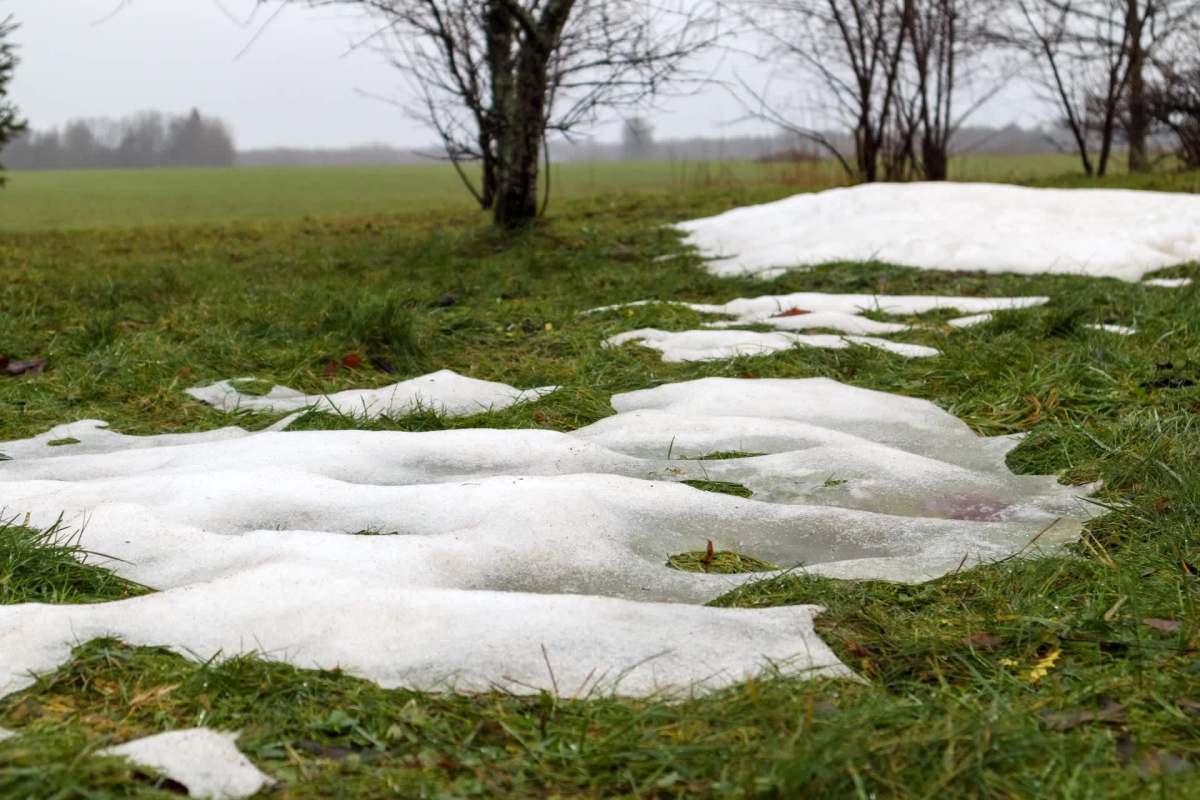
In Michigan, weeks-old snow finally started melting — introducing a lesser-known risk.
A 2017 study in the journal Environmental Pollution found that little was known about how snow reacts to pollutants and that snowpack absorbs a wide range of contaminants.
WILX spoke with Dr. Dean McFarlane-Parrott, who explained that as the snow sat unmelting for weeks after the storm, "vehicle exhaust, road salt, heavy metals," and other harmful carbon pollution slowly contaminated it.
In New York, WNYW reported similar concerns, adding that locals complained about dog feces buried in the city's snowdrifts. On Feb. 12, The New York Times reported on the city's melting snow, noting that it also posed a major pollution risk to the region's many waterways.
According to WTOP, residents in the broader Washington, D.C., area were also facing rapidly melting snow and the health risks it posed.
Why is this concerning?
Snowstorms can become dangerous quickly, and because they're often treated as emergencies, the eventual melting of snow is rarely considered a risk.
Melting snow doesn't just absorb pollution and release toxins as solids. As McFarlane-Parrott warned, the toxins released when snow melts create shockingly high levels of air pollution.
TCD Picks » Quince Spotlight
💡These best-sellers from Quince deliver affordable, sustainable luxury for all




|
What's the most you'd pay per month to put solar panels on your roof if there was no down payment?
Click your choice to see results and speak your mind. |
 $200 or more 💰
 Lansing, Michigan, resident Zac Williams told WILX that he considered air quality ratings during wildfires, but not as an issue related to snow melting — however, the local air quality index was a risky 118 on Monday.
McFarlane-Parrott said that people often don't realize how dangerous poor air quality can be, particularly for vulnerable groups.
"If you can't carry oxygen well, then heart attacks go up, strokes go up," he said, per WILX. "… Little kids who are developing their lung function, if they have asthma, it makes it worse as well. If the air quality index is high, you should rethink what you're doing."
What can be done about it?
As extreme weather becomes more frequent, awareness of critical climate issues, such as the subtle risks posed by melting snow, is more important than ever.
The New York Times suggested ways to mitigate the risks, including strategically placing green spaces to absorb runoff before it reaches rivers and waterways.
Researchers are investigating alternatives to road salt to mitigate environmental damage, and the Times advised readers to "shovel first" and "avoid the temptation to oversalt."

Get TCD's free newsletters for easy tips to save more, waste less, and make smarter choices — and earn up to $5,000 toward clean upgrades in TCD's exclusive Rewards Club.
Cool Picks




