


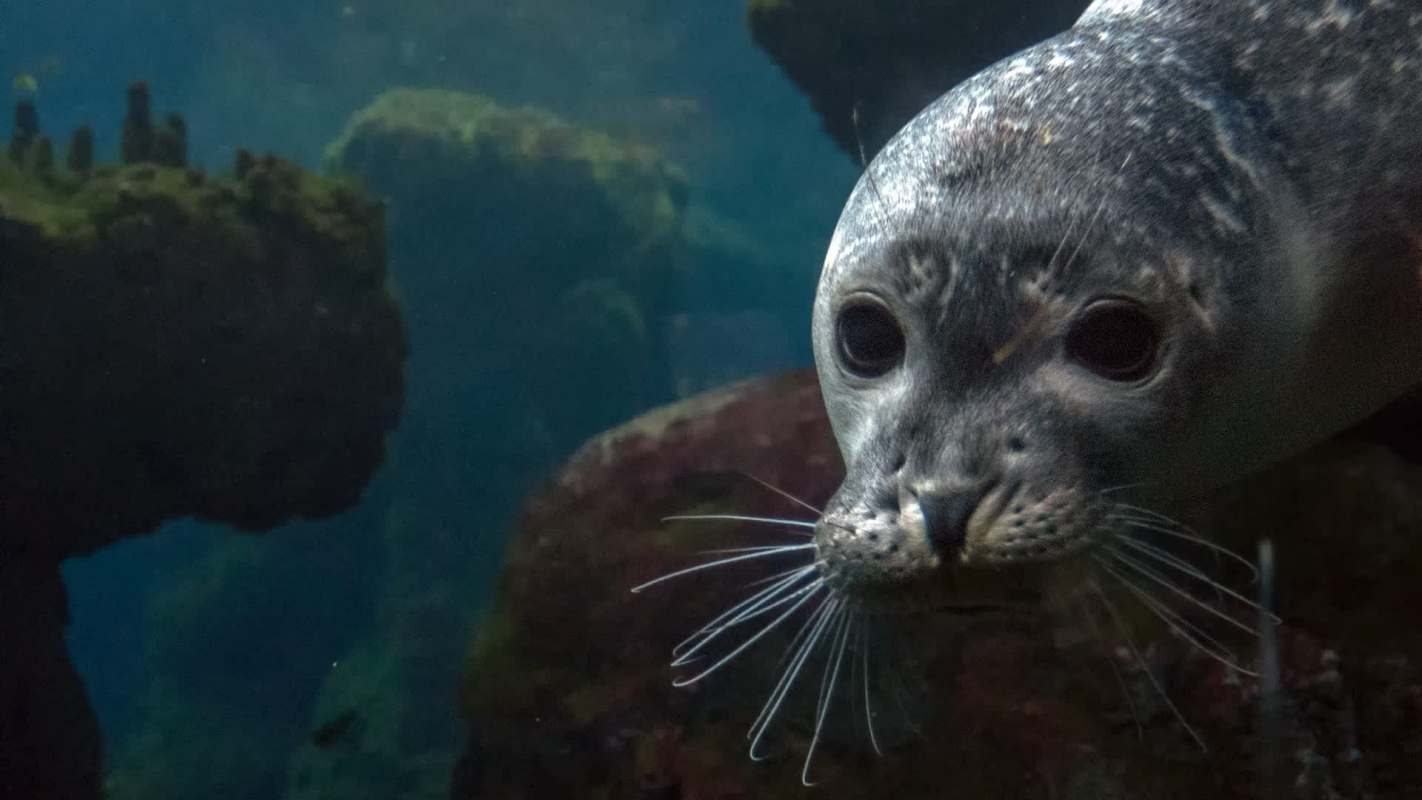
A clever survival strategy may be giving one of the world's most threatened seal species a much-needed edge, and scientists say the discovery could help protect the species while easing pressure in a popular tourist destination.
According to a report from Phys.org, researchers studying the Mediterranean monk seal near Formicula, an uninhabited islet in Greece's Inner Ionian archipelago, found that the animals often avoid summer visitors by using underwater "bubble caves."
The study's full findings were published in Oryx.
Formicula is known for its clear water, swimming spots, and rich marine life, making it a magnet for visitors. It is also an important area for Mediterranean monk seals, which have increasingly been pushed away from the open beaches they once used for resting as human activity has expanded.
Tourists do not just come for the scenery. Many also hope to spot the seals themselves or even visit the caves where the animals rest and raise pups. However, that kind of attention can disrupt the seals' behavior and cause them to avoid habitats they might otherwise use.
To better understand where the animals were going, an international research team set up remote monitoring cameras: one inside a cave where monk seals had been seen before and another in a waterproof casing near the submerged opening of a nearby bubble cave. The system gathered images and footage across 141 days, between 2020 and 2021
TCD Picks » Quince Spotlight
💡These best-sellers from Quince deliver affordable, sustainable luxury for all




What the researchers found surprised them.
Over the full monitoring period, the seals were recorded in the bubble cave on 119 days, compared with only 30 days in the main cave. Inside those hidden, air-filled domes, the animals were observed floating awake at the surface, sleeping upright at the surface, and at times lying motionless on the sea floor, as described in the source article.
In other words, these were not just quick stopovers. The bubble caves appeared to function as true sanctuaries.
That is welcome news not only for the seals, but also for the people who live and work around wildlife tourism. The more precisely conservationists understand where monk seals feel safe, the better local officials and communities can design protections that work in real-world conditions.
When scientists can identify the hidden places threatened species depend on, communities have a better chance of protecting them before those refuges are lost.
That matters for everyday people too. Healthier marine habitats can support more resilient coastal ecosystems, strengthen nature-based tourism, and preserve biodiversity for future generations. In a warming and increasingly crowded world, discoveries like this could help make conservation smarter.
The researchers said the findings should reshape how experts evaluate monk seal habitat in tourist-heavy areas.
"These wet, less accessible and inconspicuous domes may not only provide refuge against human disturbance but also play a role as resting sites," the authors wrote in the paper.
For a species under growing pressure, that hidden network of underwater shelters could prove to be one of its best defenses yet.

Get TCD's free newsletters for easy tips, smart advice, and a chance to earn $5,000 toward home upgrades. To see more stories like this one, change your Google preferences here.







