


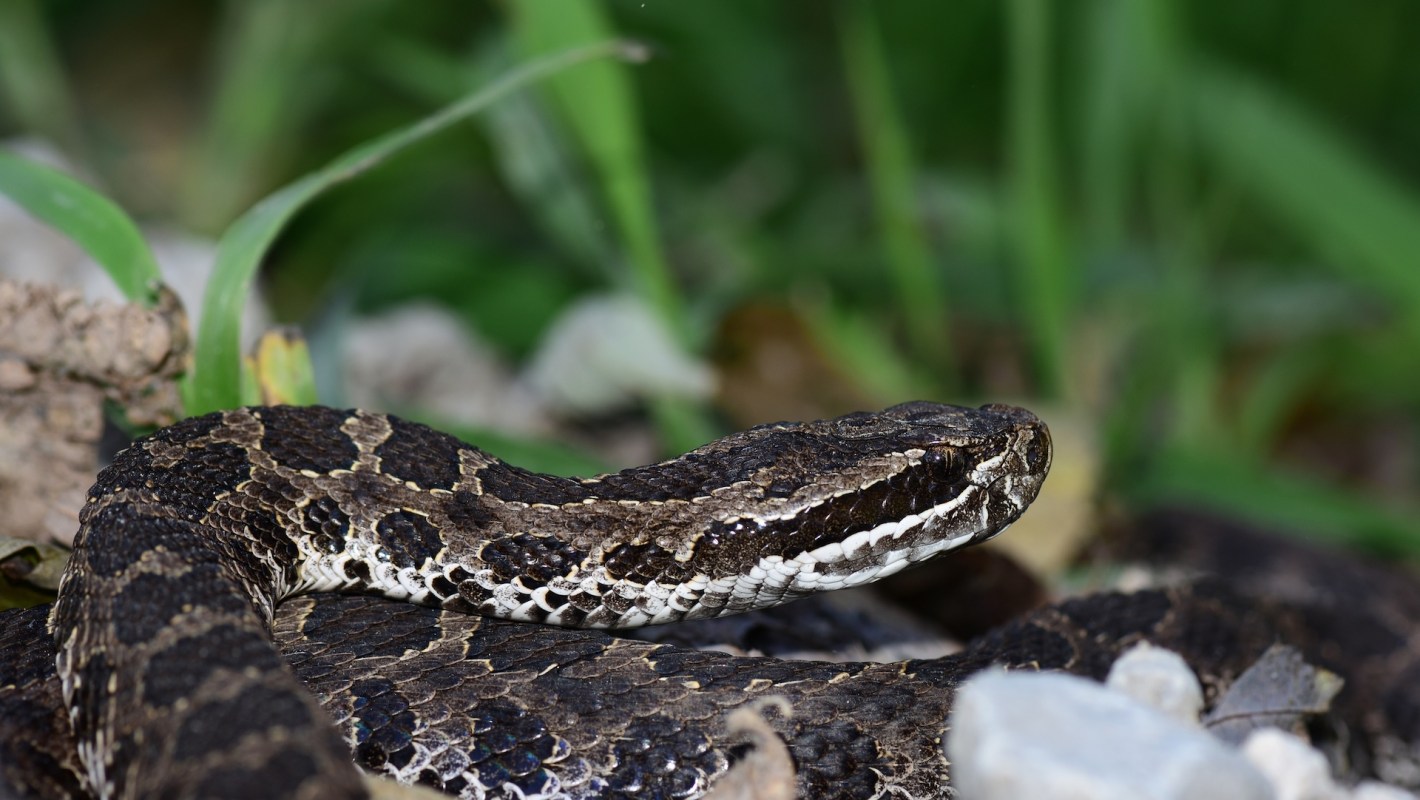
After a visitor was bitten by an eastern massasauga at a Michigan recreation area, state officials are telling people to leave the threatened snakes alone and stop venturing into wetlands to look for them.
What happened?
A 41-year-old Michigan man was taken to the hospital after an eastern massasauga bit him July 21 at a boat launch in Proud Lake Recreation Area in Commerce Township, where he had been trying to photograph the snake. Luckily, he is expected to recover.
According to a Michigan Department of Natural Resources release cited by SooLeader, the alert followed a snake-photo encounter after a trend of visitors leaving marked trails and crushing sensitive wetland plants while searching for snakes in their natural habitat, some even heard talking about killing snakes they come across.
The DNR said state and federal threatened-species protections mean people cannot legally kill, injure, harass, chase, or take an eastern massasauga. Someone found liable under the Endangered Species Act could face up to a year in prison and a $50,000 fine.
Why does it matter?
Among snakes native to Michigan, the eastern massasauga is the only one that is venomous and is largely responsible for controlling local rodent populations. Michigan has one of the core populations of eastern massasaugas, found in particular wetlands in the Lower Peninsula and on Bois Blanc and Mackinac islands in Lake Huron.
The release said about a quarter to half of bites are "dry bites," meaning no venom is delivered, and Amy Bleisch, a DNR endangered species biologist, said Michigan has not had a confirmed human death from an eastern massasauga bite in more than a century.
TCD Picks » Quince Spotlight
💡These best-sellers from Quince deliver affordable, sustainable luxury for all




The bite happened while someone was trying to get close enough for a photo, and the DNR said habitat damage is occurring because people are wandering off-trail in search of snakes. These types of pursuits are extremely dangerous, as these are wild animals who will defend themselves when they feel threatened, putting all parties involved at risk.
Unfortunately, the DNR says their numbers have significantly decreased due to habitat destruction, poaching, and human harassment, creating a need for federal protection.
What's being done?
Officials said staying on marked trails is the simplest step visitors can take to protect themselves and the snakes' habitat.
"The best way to avoid massasaugas and damaging their habitats is to stay on the trails," Bleisch said. "These snakes are shy and prefer to avoid people. If they don't feel threatened, they will hide and wait for people to walk by."
If you do see an eastern massasauga, the DNR said to give it space and stay beyond three feet, farther than its strike range.
If you are bitten, officials said to remain calm, get medical care, and remove rings, watches, or bracelets before swelling starts. The DNR release said not to use ice or a tourniquet, and not to cut the wound or try to suck it.
The department is also warning residents not to support the illegal pet trade. The release also said it is against the law to keep an eastern massasauga, or any species the state lists as threatened or endangered, as a pet.

Get TCD's free newsletters for easy tips, smart advice, and a chance to earn $5,000 toward home upgrades. To see more stories like this one, change your Google preferences here.







