


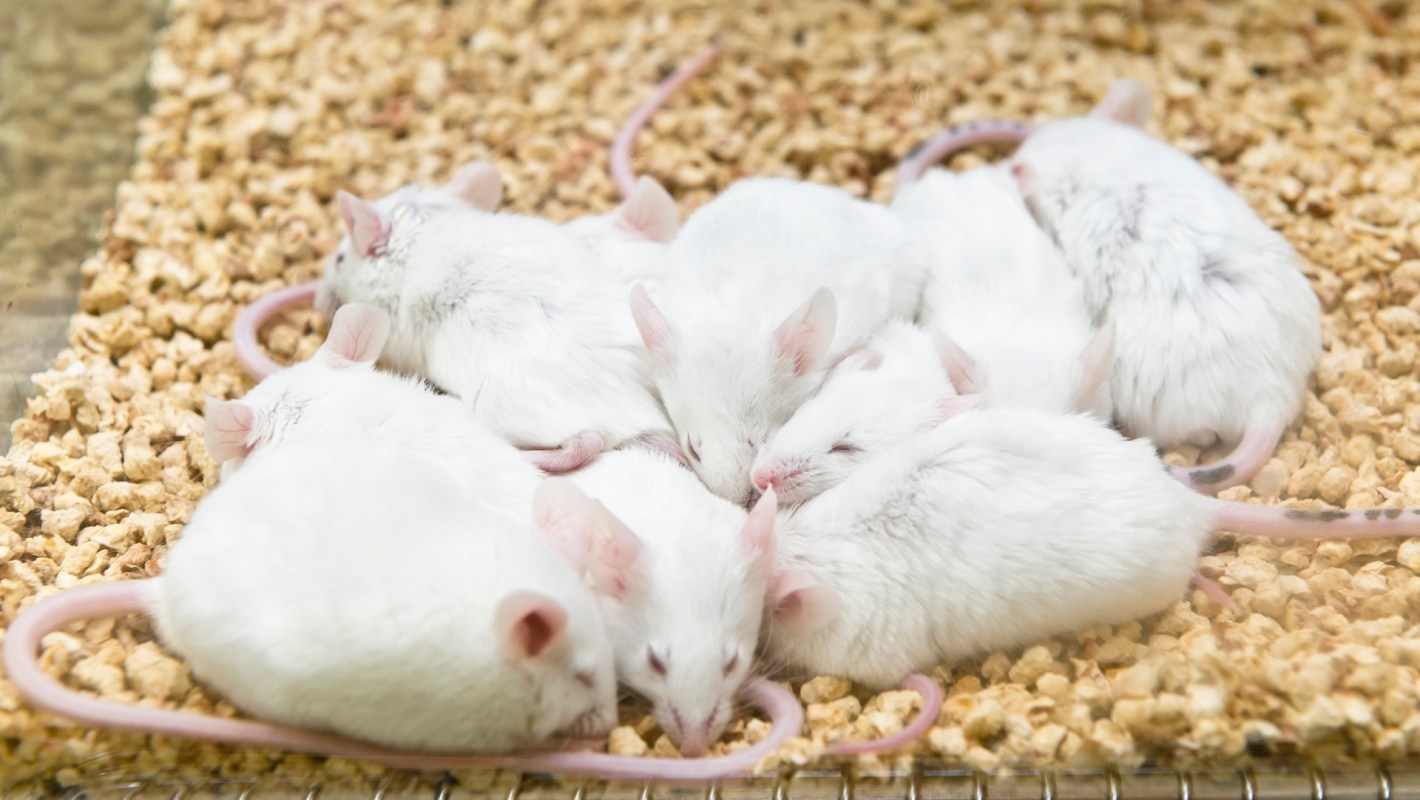
A Massachusetts wildlife hospital has made an unusually specific request for help. Cape Wildlife Center needs donations to buy mice, as Popular Science reported.
The appeal is much more serious than it may sound. The animals in its care rely on those mice to survive and recover.
What happened?
The wildlife rescue service in southeast Massachusetts told supporters in a Facebook post of the bizarre inquiry.
"We have to admit, this is a strange request even for us," Cape Wildlife Center wrote. "We're asking you to help us buy… mice."
Those mice feed both many of the center's ambassador animals and patients in its wildlife hospitals. For years, Cape Wildlife Center said, they came through a partnership that provided lab mice no longer needed for research, an arrangement that "quietly helped save thousands of wild lives."
With that donation source gone, the organization says it is facing a significant new expense in what it has called its busiest year ever.
TCD Picks » Quince Spotlight
💡These best-sellers from Quince deliver affordable, sustainable luxury for all




The center estimates that its animals go through about 31,725 frozen mice each year. If it has to purchase all of them on the open market, it says the added annual cost would be about $30,000 to $45,000.
Cape Wildlife Center stressed that the expense is unavoidable.
"Every hawk, owl, fox, snake, and weasel that comes through our doors depends on a species-appropriate diet to heal," the center said.
Why does it matter?
Wildlife rehabilitation has a direct impact on surrounding communities. When local rescue centers are able to care for injured and orphaned animals, they help protect the balance of nearby ecosystems while also giving residents a place to turn when they encounter wildlife in distress.
The sudden loss of a key donation stream shows how fragile that work can be. If a center has to absorb tens of thousands of dollars in unexpected food costs, it may have less money to spend on other needs, including veterinary treatment, housing, staffing, and rehabilitation resources.
Even a practical supply issue can send ripples through an entire care system.
That kind of financial strain can make it harder for conservation groups to remain responsive during especially busy seasons, adding pressure to already stretched local services. Food is just as essential as medical care.
What's being done?
The center is hoping donations can help ease the costs while they seek out a new partner with donated mice. Numerous Facebook commenters asked if they were pursuing that, and they confirmed they were.
They also answered a question on how much some of their animals eat. They shared that an owl might eat 2-4 mice per day, while a fox would eat more.
On the donation side, in an update they revealed a donor has offered to double contributions to the mouse fund until they reach $10,000.
"That means your donation can go twice as far in helping feed our wildlife patients!!" they wrote in the post.

Get TCD's free newsletters for easy tips, smart advice, and a chance to earn $5,000 toward home upgrades. To see more stories like this one, change your Google preferences here.







