


Don't tell researchers in Western New Guinea that lightning doesn't strike twice.
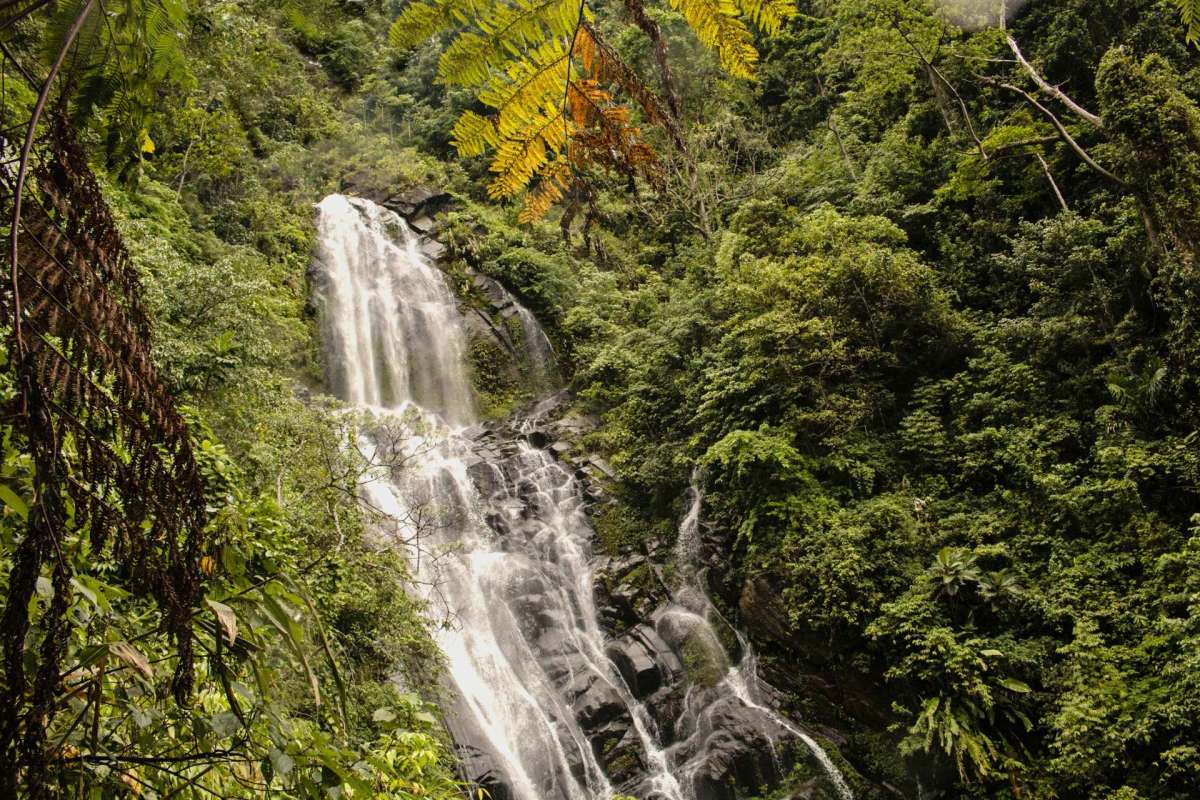
In an astonishing discovery, scientists there found two marsupial species that were believed to be extinct for over 6,000 years living in distant areas of the rainforest, as People detailed.
They identified the animals as living pygmy long-fingered possums (Dactylonax kambuayai) and ring-tailed gliders (Tous ayamaruensis) in the Vogelkop Peninsula. With the find, the animals join the exclusive group of Lazarus species, which is reserved for creatures found alive after being deemed extinct and recognized only from fossils.
View on Threads
"The discovery of one Lazarus taxon, even if thought to have become extinct recently, is an exceptional discovery," said lead researcher Tim Flannery in a press release. "The discovery of two species, thought to have been extinct for thousands of years, is remarkable."
Decades of work, including piecing together fossil fragments, rare photographs, and absorbing Indigenous knowledge, led to this breakthrough. Just like the find, the two creatures it unearthed are one of a kind.
The pygmy long-fingered possum, for instance, has one finger on each hand twice as long as the others. The creature was thought to have vanished from Australia during the Ice Age.
The ring-tailed glider, meanwhile, is the first new genus of New Guinean marsupial identified in almost 90 years. It only brings up one youth per year and is smaller than Australian gliders.
The species is revered by local communities in New Guinea and is part of cultural and educational rituals called "initiation." Those communities accordingly played a huge role in helping researchers.
"Referred to locally as Tous by some Tambrauw and Maybrat clans, the glider is a sacred animal," Rika Korain, a co-author of the research paper, noted. "We worked very carefully and collaboratively with Tambrauw Elders and identification would not have been possible without cooperation with Traditional Owners and this connection has been essential for ongoing work."
The combined discoveries point to the possibility of even more remarkable finds in the future.
TCD Picks » Quince Spotlight
💡These best-sellers from Quince deliver affordable, sustainable luxury for all




"The Vogelkop is an ancient piece of the Australian continent," Flannery said. "Its forests may shelter yet more hidden relics of a past Australia."
|
Which of these savings plans for rooftop solar panels would be most appealing for you?
Click your choice to see results and earn rewards to spend on home upgrades. |
 Save $1,000 this year 💸
Get TCD's free newsletters for easy tips to save more, waste less, and make smarter choices — and earn up to $5,000 toward clean upgrades in TCD's exclusive Rewards Club.
Cool Picks




