


An international study is pushing back on one of the most common criticisms of marine protected areas: that they may look impressive on paper but fall short in the real world.
What happened?
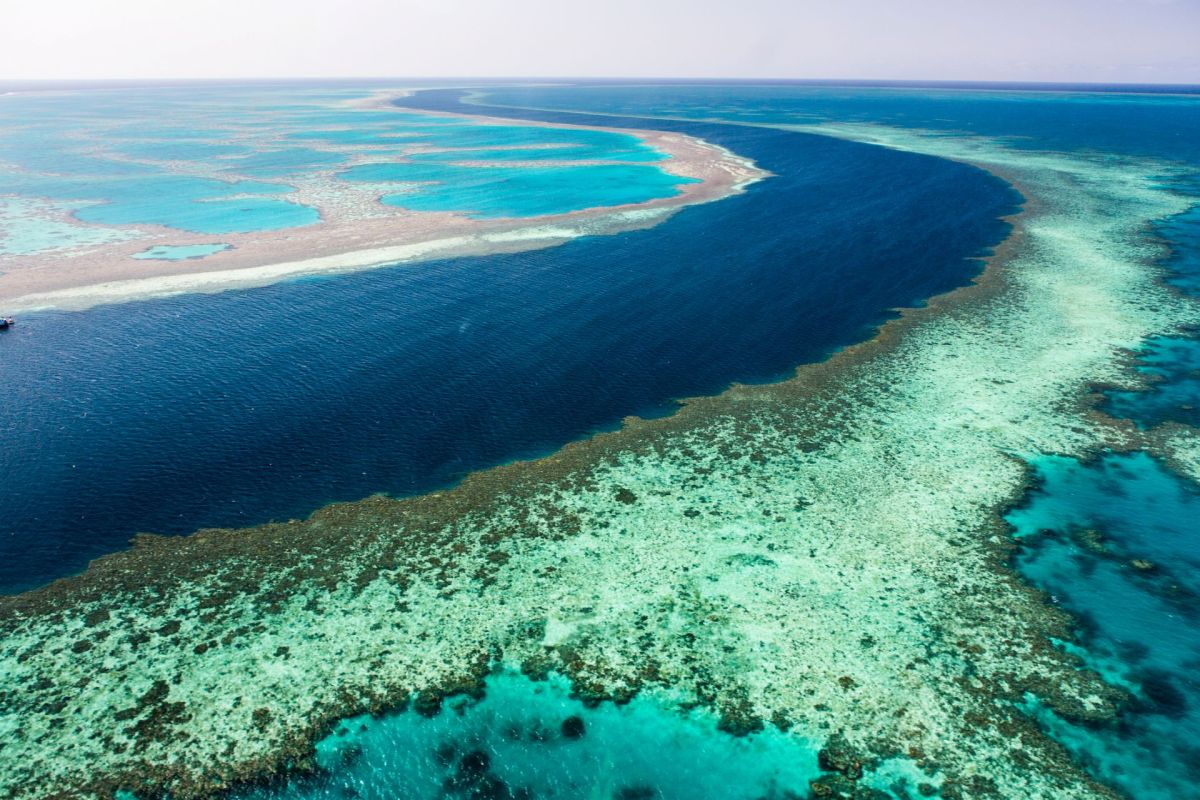
The peer-reviewed study, which used satellite imagery and artificial intelligence and was published this summer in the journal Science, looked at 1,380 marine protected areas (MPAs) worldwide. The Santa Barbara Independent reported that the study included sites near the Santa Barbara Channel Islands, Australia's Great Barrier Reef, and Hawaiʻi's Papahānaumokuākea Marine National Monument.
After reviewing industrial fishing activity from 2017 to 2021, the researchers found that nearly 79% of the protected areas had no fishing activity. Among the rest, 82% averaged under 24 hours of fishing activity per year.
UC Santa Barbara senior project scientist Gavin McDonald said, per the Independent: "There's a commonly held assumption that MPAs are just 'paper parks.' However, we've found that for fully and highly protected MPAs, this is not the case."
To reach those findings, the team combined 5 billion vessel positions from the Automatic Identification System with radar satellite images capable of detecting boats through cloud cover and at night. That approach allowed researchers to identify vessels even when AIS data alone might not have captured them.
Why does it matter?
Well-functioning marine protected areas can benefit more than marine life. When fish populations rebound inside reserve boundaries, those gains can spill over into nearby waters, supporting surrounding fisheries and coastal communities.
TCD Picks » Quince Spotlight
💡These best-sellers from Quince deliver affordable, sustainable luxury for all




A previous study found catch rates were 12% to 18% higher in these areas.
Illegal fishing is difficult and expensive to monitor, especially for smaller countries with vast ocean territories and limited enforcement budgets. More effective monitoring could help governments pinpoint hotspots, use patrol resources more efficiently, and lower enforcement costs.
Still, the study identified problem areas. Some well-known reserves — including the Chagos Marine Reserve and the South Sandwich Islands — showed higher fishing activity, and legal protections alone were not enough without targeted enforcement.
What's being done?
The monitoring method itself is a major development. By combining AIS tracking with radar-based satellite imagery, researchers created a more dependable way to monitor protected waters and identify so-called dark vessels that switch off or manipulate their signals.
The approach could become even more important as countries pursue the Global Biodiversity Framework's "30 by 30" target of protecting 30% of the world's oceans by 2030. Better oversight could make those protections more credible and help policymakers design reserves that deliver meaningful results.
McDonald said the team also hopes to improve the system so it can detect smaller boats, including vessels under 15 meters long and boats made of wood or fiberglass, which current tools may miss. New satellite sources expected in the near future could help close that gap.
Researchers are also using these tools to study other ocean-related issues. McDonald's team is collaborating with Global Fishing Watch to measure greenhouse gas pollution from marine vessels, which could offer a real-time view of emissions at sea.
Juan Mayorga, a scientist with National Geographic Pristine Seas and a co-author of the study, said: "No single dataset can solve the challenge of monitoring fishing activity at sea. Each has its blind spots. But when we combine them, their power emerges … The ocean is now no longer too big to watch."

Get TCD's free newsletters for easy tips, smart advice, and a chance to earn $5,000 toward home upgrades. To see more stories like this one, change your Google preferences here.







