


A deadly wildlife encounter in Indonesia is drawing global attention for its sheer horror — and for what it shows about the risks that can grow when people and wild animals share increasingly pressured landscapes.
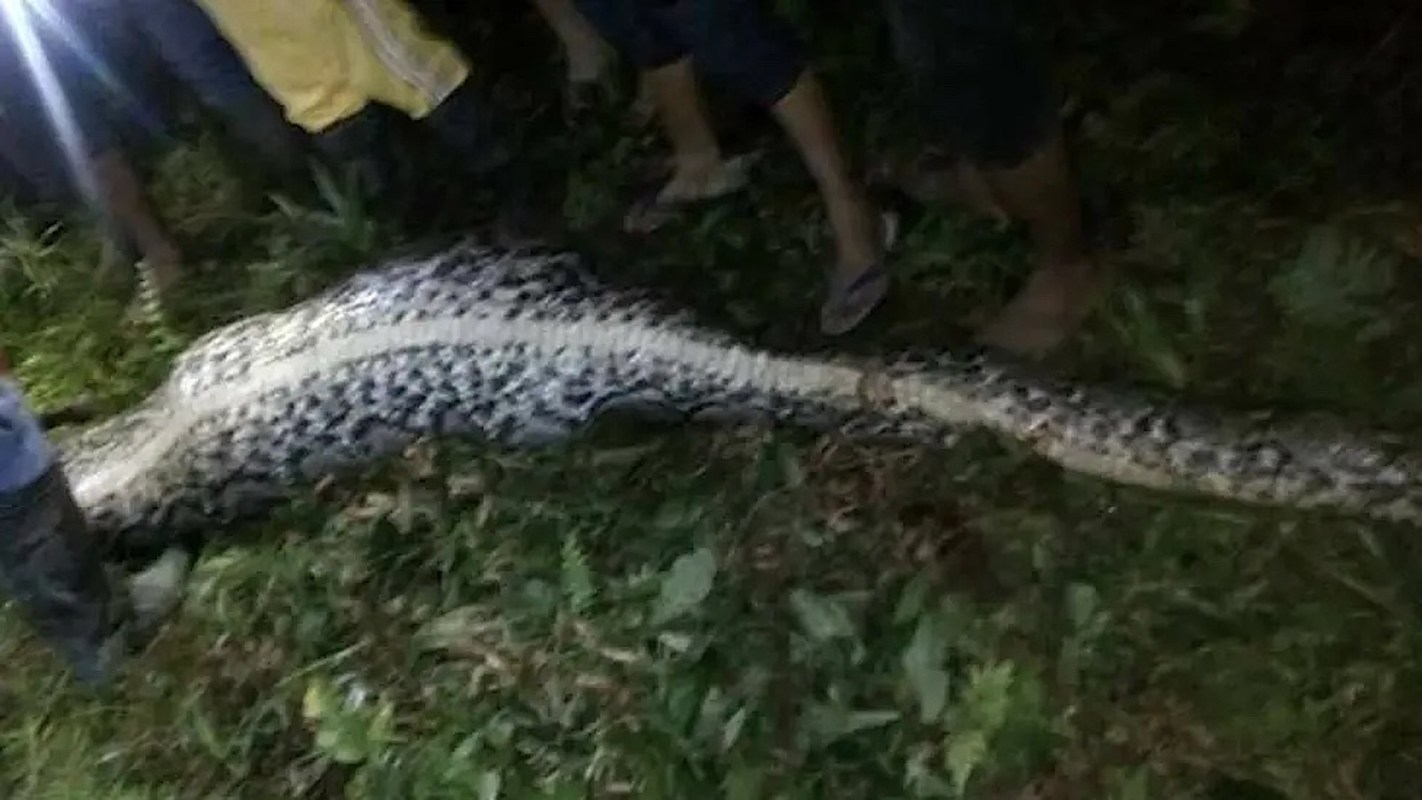
Hasim Lumbessy, a 35-year-old man last known to be walking home along a forested route in North Maluku, was later found inside a 23-foot reticulated python after his family went searching for him.
Here's what to know
According to LADbible, he had been at a bar before setting off alone toward Waksakai in the early hours of July 27.
At about 3 a.m. local time, the report said, a large python came out of the undergrowth, grabbed his leg, constricted him to death, and eventually swallowed him whole.
When Lumbessy did not return, relatives retraced his route and found blood on the ground along with items believed to be his. They then encountered an unusually large snake with a swollen stomach and, the report said, cut it open and found his body inside.
Adult humans are only very rarely killed and eaten by pythons. Still, in parts of Southeast Asia where enormous reticulated pythons live near villages, farms, and forest paths, such attacks are not impossible.
TCD Picks » Quince Spotlight
💡These best-sellers from Quince deliver affordable, sustainable luxury for all




Authorities reportedly warned residents about the wildlife danger in the area.
More background
Reticulated pythons are among the longest snakes in the world, and they are capable of overpowering large prey.
In Indonesia, where human settlements can sit close to dense vegetation and wildlife habitat, encounters can happen in places people use every day, including footpaths and forest edges.
What can be done?
For people living in regions where large predators are present, basic precautions can help reduce risk, even if they cannot eliminate it.
Traveling in groups, avoiding isolated forest paths in the dark when possible, carrying lights, and staying alert around dense vegetation are among the most practical steps.
Local officials can improve lighting, post wildlife warnings, map higher-risk routes, and help residents identify safer paths between villages and gathering places.
Public education about animal behavior can also help people recognize when and where encounters are more likely.
Protecting habitat while planning human activity more carefully can reduce conflict. When roads, settlements, and agricultural areas expand without considering wildlife movement, people and animals are more likely to cross paths in dangerous ways. Conservation and public safety are often closely connected, particularly in communities living closest to wild spaces.
Lumbessy's death is an especially grim example of what can happen when that overlap turns catastrophic.

Get TCD's free newsletters for easy tips, smart advice, and a chance to earn $5,000 toward home upgrades. To see more stories like this one, change your Google preferences here.







