


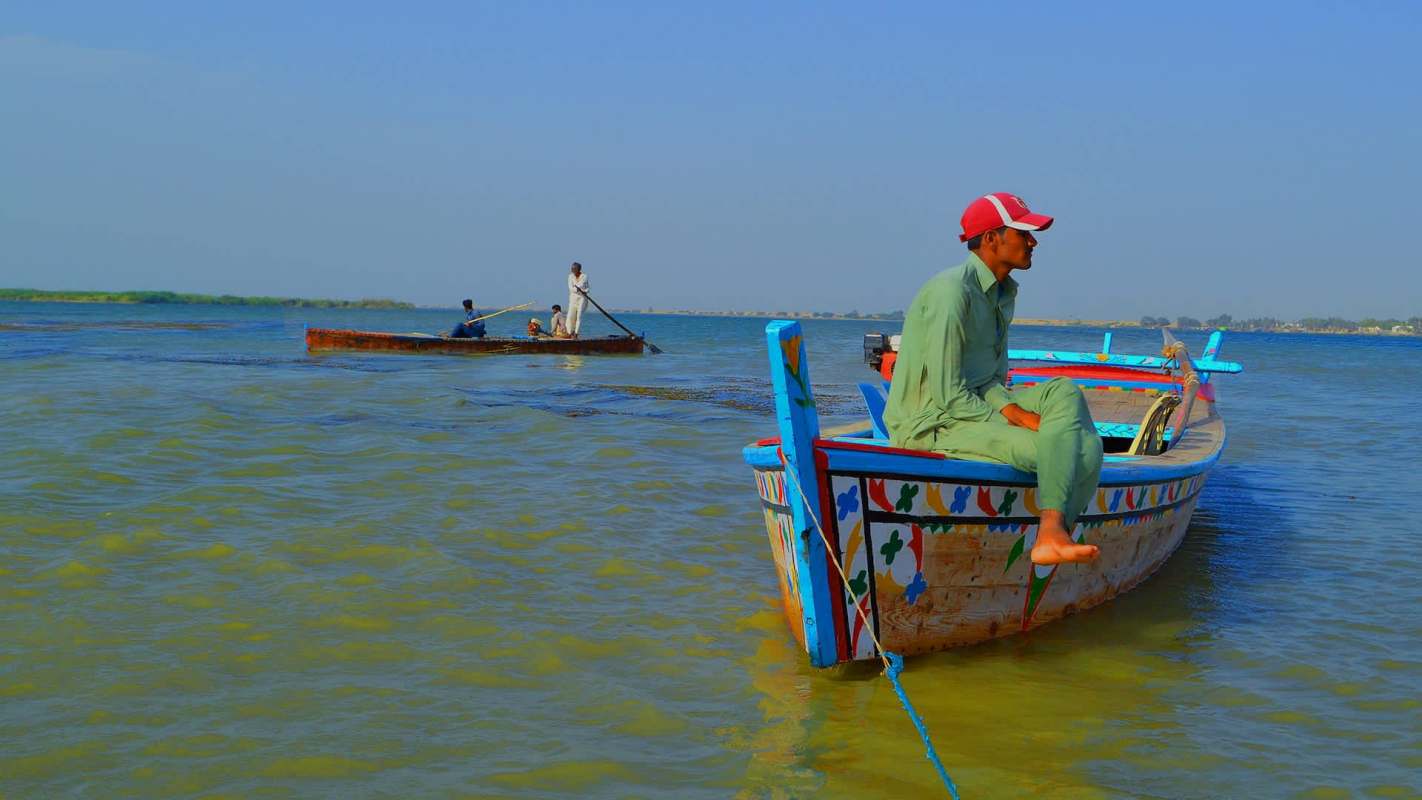
Pakistan designated its third marine protected area around Maini Hor Lagoon in September, safeguarding a biodiversity hotspot that supports local communities and rare wildlife, according to Mongabay.
The move protects the country's largest lagoon and its surrounding mangrove forests, home to endangered dolphins, migratory birds, and essential fish populations.
The Balochistan provincial government declared the roughly 43-square-kilometer (roughly 10,000-acre) area along the country's central coast as protected.
The lagoon stretches 60 kilometers long by five kilometers wide, forming where two major rivers meet the sea northwest of Karachi.
"Declaring the site a [Marine-Protected Area] is the first step," said Afia Salam, an environmentalist in Karachi. Restrictions on hunting, harvesting, and fishing are instrumental in preserving biodiversity in critical areas such as the Maini Hor Lagoon.
"Now lies a long journey ahead for doing a base study and scientific and social assessments to enact a management plan, deciding what kind of protections should be conferred and what ease is given to the local people," Salam continued.
The lagoon provides benefits to wildlife and people alike. Dense mangrove forests offer critical habitat and protect coastlines from erosion and storms. The root systems of coral and seagrass shield them from damage and capture carbon from the atmosphere.
More than 55 bird species use the lagoon, with 20,000 birds gathering during the winter months. Endangered Indian Ocean humpback dolphins also maintain a resident population there, and the ecosystem supports local fishing communities who depend on healthy waters.
The declaration raised some concerns among local residents who harvest mangroves for fuel and fish in an area often lacking basic services. Some community members feared the restrictions could impact critical income sources without offering any alternatives.
"Putting restrictions would ultimately bring our livelihoods to a grinding halt," one local fisher told Mongabay.
TCD Picks » Quince Spotlight
💡These best-sellers from Quince deliver affordable, sustainable luxury for all




|
Do you think America does a good job of protecting its natural beauty? Click your choice to see results and speak your mind. |
 Definitely 👍
 Ultimately, successful protection measures require balancing conservation with community needs, as Salam noted in the article.
Working to develop eco-tourism opportunities and create sustainable fishing zones protects both the ecosystem and the people who depend on it.

Get TCD's free newsletters for easy tips to save more, waste less, and make smarter choices — and earn up to $5,000 toward clean upgrades in TCD's exclusive Rewards Club.
Cool Picks






