


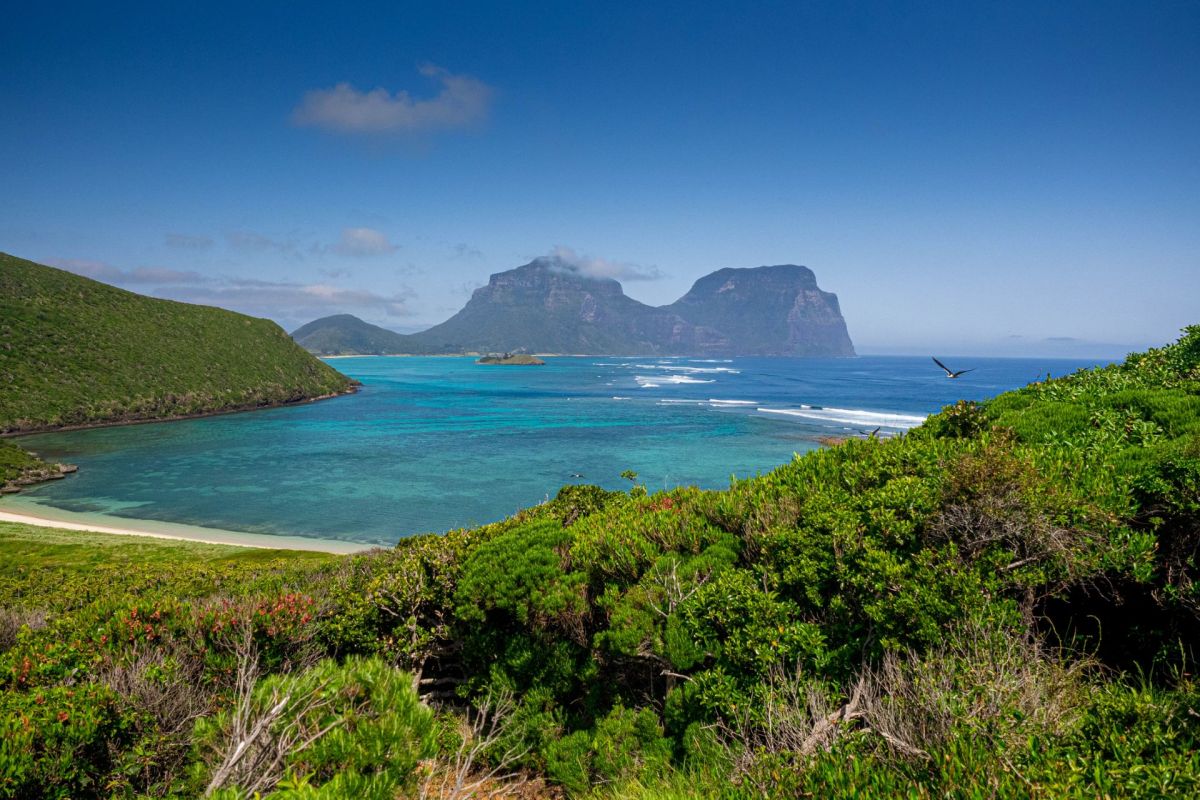
The metallic green stag beetles of Lord Howe Island are once again appearing in the treetops, a striking sign that one of the world's most unusual ecosystems is recovering after invasive rodents were wiped out.
Five years after a major eradication campaign, researchers say the island's invertebrate population has surged, the Guardian reported.
Lord Howe Island got rid of its rats and mice – now cockroaches and bugs are bouncing back
— Guardian Australia (@australia.theguardian.com) May 27, 2026 at 5:35 AM
[image or embed]
A new study published in Biological Invasions found that invertebrates on Australia's Lord Howe Island increased by about 60% after roughly 300,000 invasive rats and mice were eradicated in 2019.
The island, about 370 miles off Australia's east coast, is home to more than 1,600 documented invertebrate species, roughly half of them endemic.
Researchers from the University of Sydney and the New South Wales government compared bug counts before and after the rodent removal effort, collecting more than 24,000 specimens across 20 locations using traps and cardboard "cockroach hotels."
The rebound is already visible in species such as the island's gleaming stag beetle, which naturalist Ian Hutton said was difficult to find a decade ago.
TCD Picks » Quince Spotlight
💡These best-sellers from Quince deliver affordable, sustainable luxury for all




Researcher Maxim Adams called the comeback "pretty extraordinary," adding that scientists had suspected the ecosystem would respond quickly once the rodents were gone.
For more than a century, Lord Howe Island's rodents had been eating seeds, plants, birds, reptiles, and invertebrates, helping drive multiple species to extinction and disrupting the island's food web.
Because the island has no native mammals, the damage was especially severe. Rodents preyed on insects that would not normally face that kind of pressure, particularly larger species.
Now, with that threat removed, scientists say the ecosystem is beginning to rebuild from the ground up.
Healthier forests can mean better soil conditions, stronger plant regeneration, and more resilient habitat for birds and reptiles. In a small island community known for its natural beauty and ecotourism, restoring biodiversity also helps protect a place that supports local identity, scientific research, and nature-based travel.
Scientists had already documented invertebrate life before the program began, making it possible to measure real recovery rather than rely on anecdotal sightings.
Researchers say the bounce-back is likely only beginning. Alongside rising insect numbers, Hutton has already observed stronger regrowth in the forest understorey, as well as increases in birds such as the island's woodhen.
Hutton said, "The understorey was gone but now we see hundreds of seedlings coming up." And on nighttime walks, he said, "We find these really striking beetles and snails. Wonderful."
More insects also mean more food for geckos, skinks, and birds, helping the whole web of life recover together.
There are also signs that species once thought lost may still be hanging on. Hutton recently found a weevil that had not been seen for more than 100 years and was believed extinct.
"Seeing these changes after only five years is especially promising," Adams said.

Get TCD's free newsletters for easy tips, smart advice, and a chance to earn $5,000 toward home upgrades. To see more stories like this one, change your Google preferences here.







