


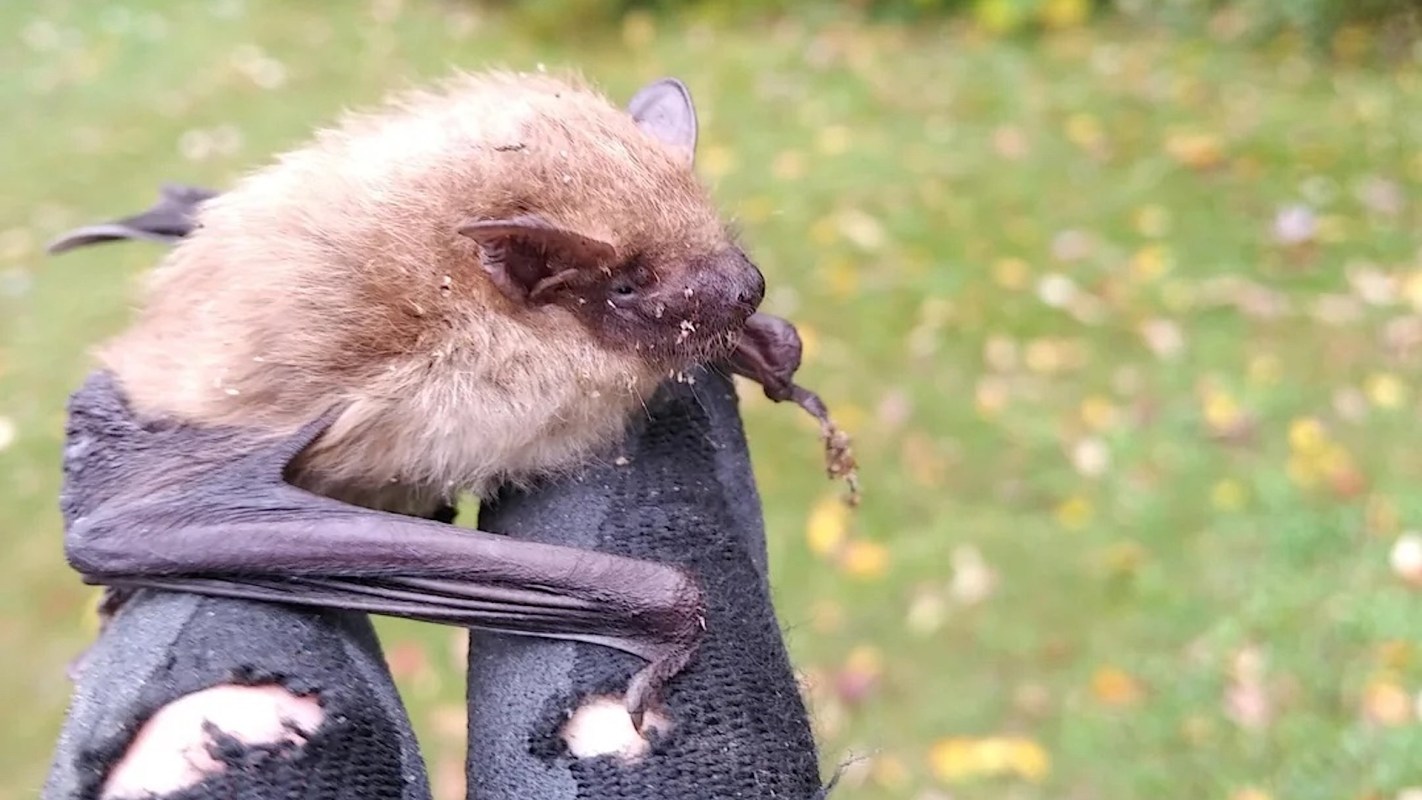
A Reddit post about a brown bat taken out of a church attic prompted delight at the tiny animal and concern about the risks from readers.
Although the image initially read as a cute close-up, the discussion soon shifted to public health. The former wildlife control worker who shared it made clear that this was not something untrained animal lovers should attempt themselves.
What happened?
A Redditor posted images of what they described as a "friendly little brown bat" removed from a church attic.
Rather than staying focused on the animal's appearance, many replies quickly turned to the possibility of rabies exposure.
One commenter wrote, "You may want to check in with a health care provider due to rabies risk."
The poster later explained that the image was from years earlier, when they were working professionally in wildlife control. "I appreciate the concerns, everyone, but this was 2018 while I was working in wildlife control, with a full rabies PrEP vaccine, and actively monitored titer levels," they wrote. "I'm good."
TCD Picks » Quince Spotlight
💡These best-sellers from Quince deliver affordable, sustainable luxury for all




"Literally thought I was on r/OopsThatsDeadly for a sec when I saw the bat cuz too many people take no precautions handling wild bats," one person wrote. "Glad OP is prepared tho!"
Why does it matter?
Bats play an important role in local ecosystems, but handling them directly can be dangerous without proper training and protection.
The situation also shows how human activity can create these encounters in the first place. A church attic is not a bat's natural habitat, but buildings can become substitute roosts when development changes surrounding landscapes or when wildlife adapts to human-made shelter.
As human and animal spaces overlap more often, encounters like this can become more common.
These situations can also create confusion. Several commenters noted that many people may not realize rabies pre-exposure vaccines exist for professionals who regularly work with animals, while others worried that a casual-looking post could encourage unsafe behavior.
How people respond to wildlife in homes, attics, barns, and other built spaces can affect both humans and animals.
What can I do?
Do not handle wild bats yourself unless you are trained and properly protected.
If a bat gets inside a home, attic, or another structure, the safest option is to contact local animal control, a licensed wildlife professional, or a public health authority for guidance. If there is any chance of direct contact, especially a bite or scratch, seek medical advice promptly.
It can also help to prevent future conflicts by sealing entry points in buildings after animals have safely left and by supporting humane exclusion methods. For people who want bats nearby without sharing indoor space, bat houses can offer an alternative roosting site.
Wild animals in human structures require informed, careful responses — especially when disease risk is part of the equation.

Get TCD's free newsletters for easy tips, smart advice, and a chance to earn $5,000 toward home upgrades. To see more stories like this one, change your Google preferences here.







