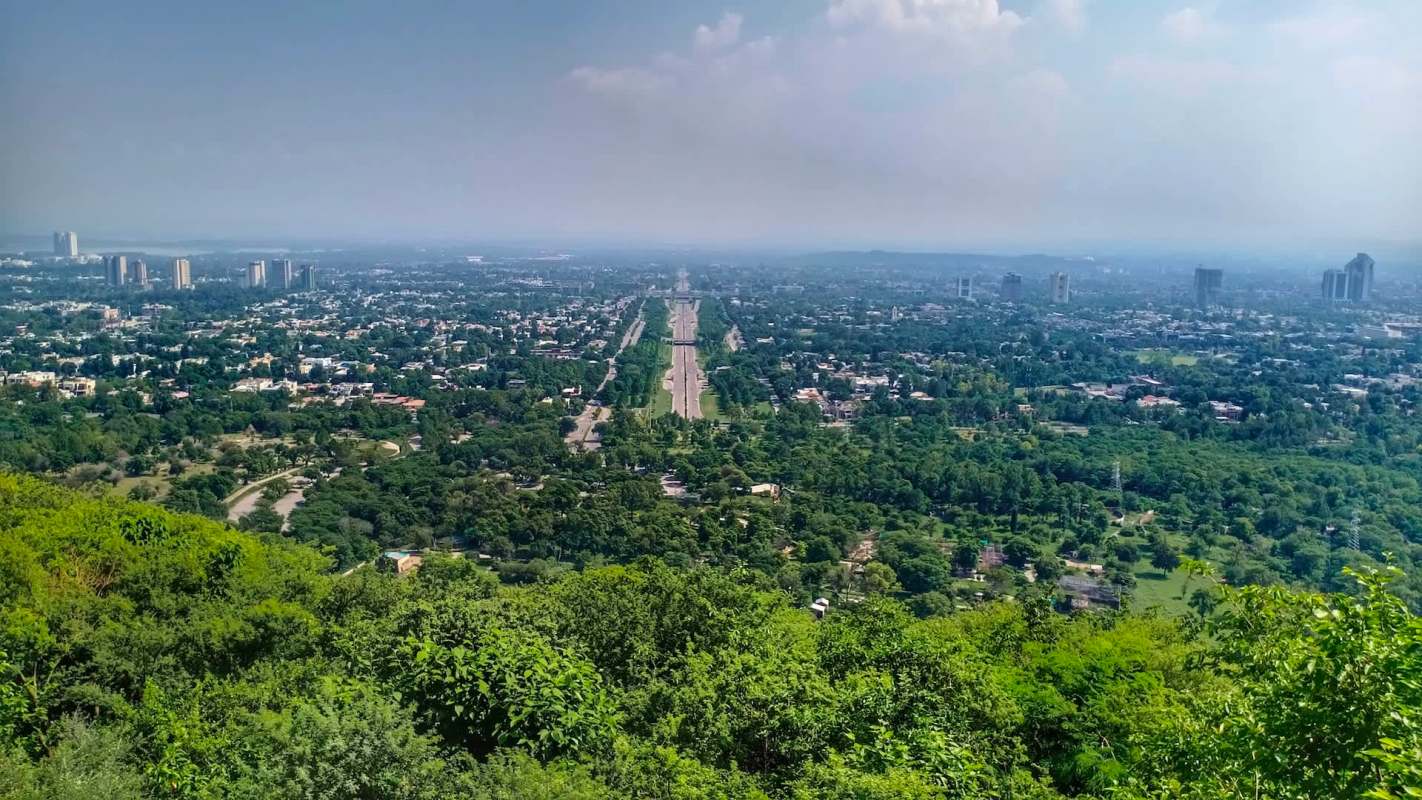
University students and wildlife officials took action when a common leopard was spotted on a campus in Pakistan, according to Dawn.
What's happening?
In late December, students at the International Islamic University in Islamabad, Pakistan, recorded a video of a leopard on campus. Later, officials from the Islamabad Wildlife Management Board found fresh tracks and confirmed the sighting.
It is suspected that the animal ended up at the university by following potential prey, such as wild boar and stray dogs. The IWMB hoped the animal would leave on its own or be safely relocated to a safer area.
The IWMB has been working hard to grow the leopard population in the nearby Margalla Hills National Park. While a leopard on campus is a cause for concern, there is some good news here. "The leopard is reclaiming its lost territory," Sakhawat Ali, the director of IWMB, told Dawn.
Why is a leopard on campus a concern?
Wildlife rehabilitation projects, like the one IWMB is conducting, are crucial to supporting vulnerable species and biodiverse ecosystems. But it's true that growing animal populations can sometimes pose new challenges, especially as human activity continues to encroach on green spaces.
As the BBC has previously noted, the overlap of residential and natural habitats can increase the risk of human-wildlife encounters, escalating threats of, among other things, injuries to people and animals. Luckily, there are potential solutions to mitigate those risks.
Perk up the winter blues with natural, hemp-derived gummies Camino's hemp-derived gummies naturally support balance and recovery without disrupting your routine, so you can enjoy reliable, consistent dosing without guesswork or habit-forming ingredients. Flavors like sparkling pear for social events and tropical-burst for recovery deliver a sophisticated, elevated taste experience — and orchard peach for balance offers everyday support for managing stress while staying clear-headed and elevated.
Learn more → |

What can be done?
The IWMB director told Dawn that the team prefers it when animals like the leopard can safely return to their natural habitats on their own rather than be scared away.
"Flushing can cause leopard to panic and find shelter in houses where it can injure people," he said.
Traps were set, but the animal appeared at least initially to evade them. The IWMB said it planned to use a thermal drone to track the leopard, increasing awareness of the animal's activity and proximity to people.
The team also had tranquilizer dart guns ready if needed, according to Dawn, but planned to use them only as a last resort. Tranquilized animals can escape before they fall asleep, sometimes making them harder to find.
TCD Picks » Upway Spotlight
💡Upway makes it easy to find discounts of up to 60% on premium e-bike brands





In the long term, conserving more green space to create a buffer between the Margalla Hills National Park and residential areas, such as the university, could be effective in protecting both leopards and people.
|
What's the most you'd pay per month to put solar panels on your roof if there was no down payment?
Click your choice to see results and speak your mind. |
 $200 or more 💰
Get TCD's free newsletters for easy tips to save more, waste less, and make smarter choices — and earn up to $5,000 toward clean upgrades in TCD's exclusive Rewards Club.
Cool Picks