


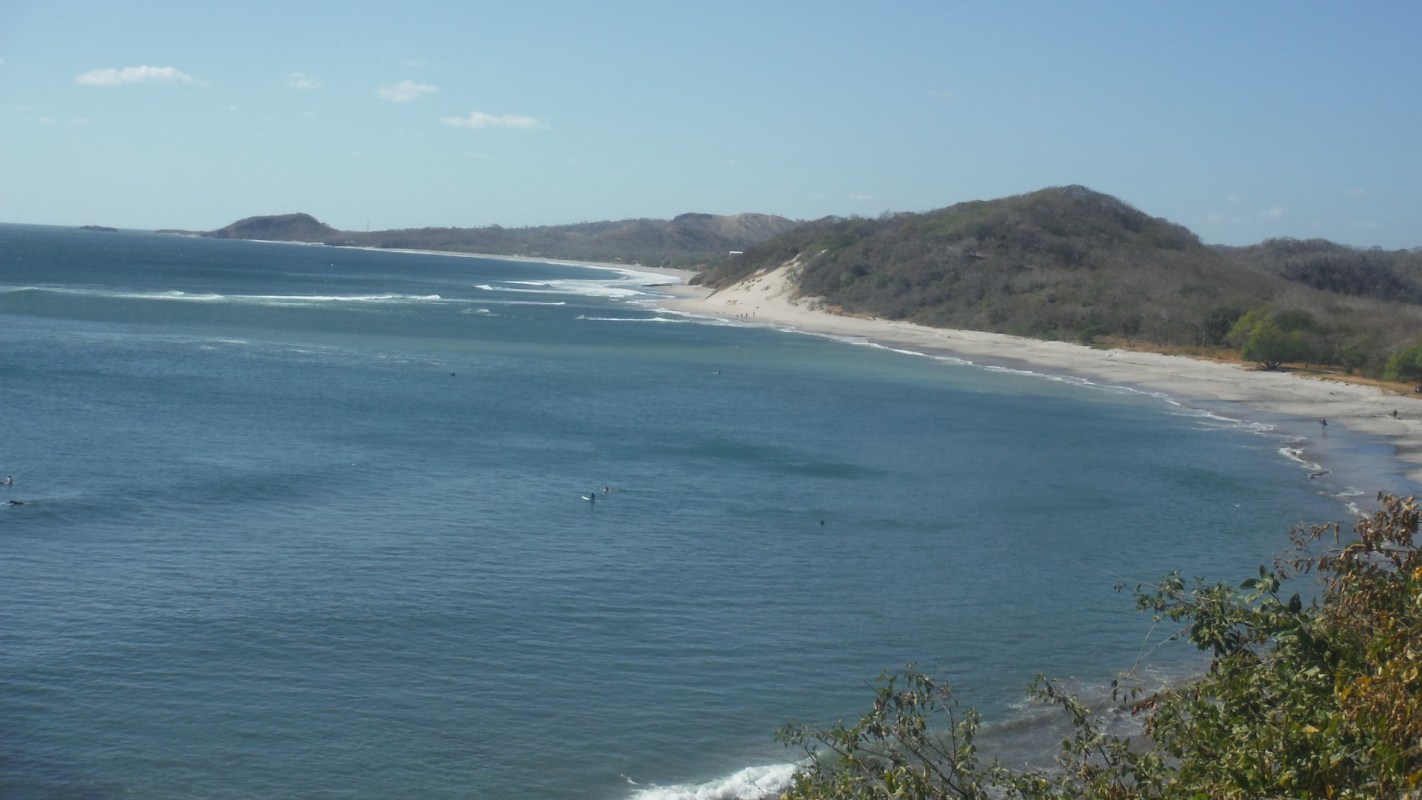
Critically endangered leatherback turtles are once again building nests along Nicaragua's Pacific shoreline after a prolonged absence.
According to Fauna & Flora, these prehistoric sea turtles trace their origins back to the dinosaur era, but their population in the eastern Pacific has shrunk over 90% across the past four decades. A once-thriving community of thousands of breeding females has dropped to a few hundred.
At monitoring sites along Nicaragua's coast, the situation had been dire. From 2020 to 2025, teams documented a mere 33 nests. One beach, Veracruz de Acayo, saw zero nests across five consecutive seasons.
However, in November, the season's first leatherback came ashore in Nicaragua.
Working with the Gran Pacifica Resort Nursery, conservation crews located her eggs and moved them to safety, protecting them from poachers and natural predators. Once hatched, the young turtles will be guided to the water after dark.
Nine additional nests have since been documented on the Pacific shoreline. Four appeared at Salamina-Costa Grande, and Veracruz de Acayo recorded its first nest after a five-year gap. The team was hopeful that more would follow as the season progressed.
This good news follows another turtle success story. The IUCN Red List has reclassified green turtles as a species of "least concern," a notable step up from the prior listing of "endangered." It's a sign that dedicated conservation efforts can pay off.
Every nest matters. Each female that comes back and each clutch of eggs moves the species one step further from extinction.
The turtles still face serious threats, including poaching, plastic pollution, and severe weather. For the species to bounce back, conservation work must continue on the beaches where they lay eggs and throughout the seas they call home.
For now, each safeguarded nest offers this prehistoric species another shot at survival.
TCD Picks » Quince Spotlight
💡These best-sellers from Quince deliver affordable, sustainable luxury for all




"When the 2025 season began, our teams didn't have high expectations, but they never gave up hope," shared Fauna & Flora. "And now, their patience and collective efforts have finally been rewarded."
|
What's the most you'd pay per month to put solar panels on your roof if there was no down payment?
Click your choice to see results and speak your mind. |
 $200 or more 💰
Get TCD's free newsletters for easy tips to save more, waste less, and make smarter choices — and earn up to $5,000 toward clean upgrades in TCD's exclusive Rewards Club.
Cool Picks




