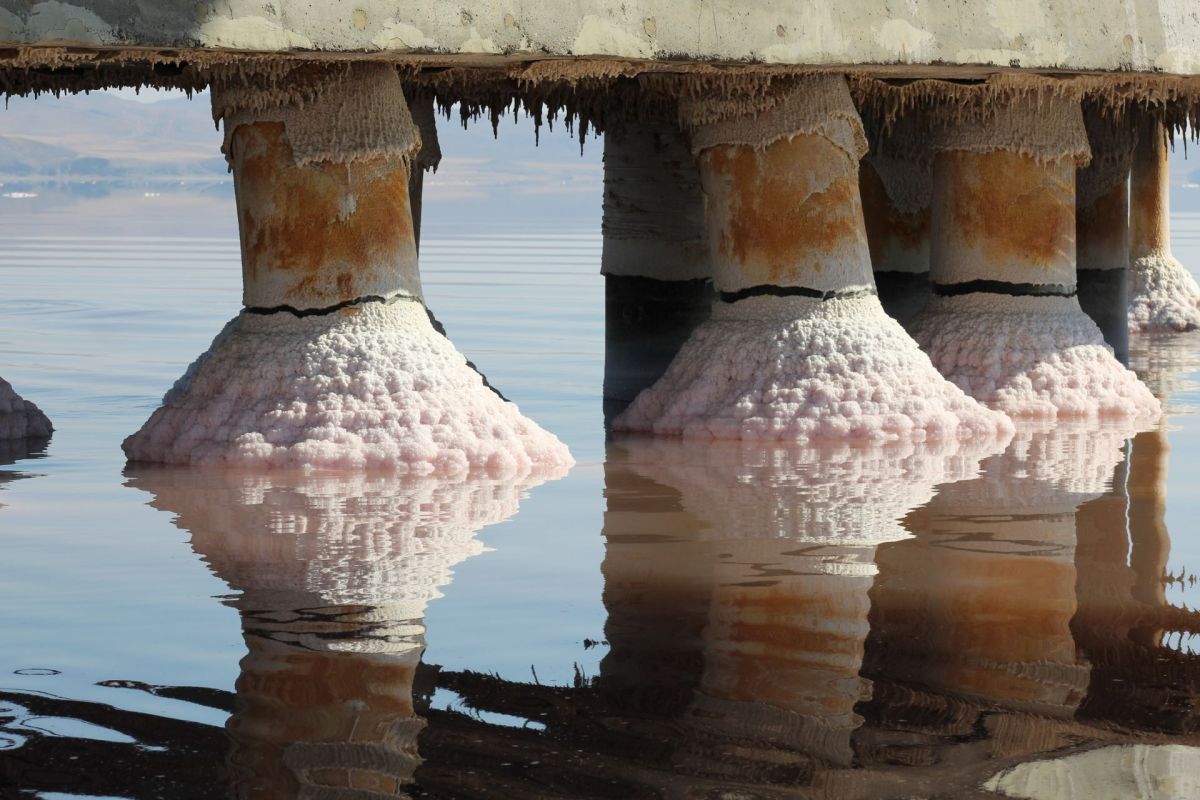
Iran's Lake Urmia, once the largest lake in the Middle East, has shrunk to historic lows — and new satellite images suggest it may be on the brink of collapse.
What's happening?
The European Space Agency's Sentinel-2 satellites showed the dramatic shrinkage of Lake Urmia from 2020 to 2025. Image compilations featured in Newsweek, the United States Geological Survey, and NASA highlighted the drastic decline in the lake's size.
In August 2025, officials confirmed that Urmia hit its lowest water level at about 1,270 meters. Meanwhile, its water volume dropped to half a billion cubic meters, down from 2 billion in 2024.
Why is this concerning?
Experts said human factors and increasing global temperatures have led to extreme weather worldwide, including longer and more intense droughts. In Lake Urmia's case, higher temperatures caused it to dry up more quickly.
More than natural causes, overexploitation of resources also played a big role. A study published in the Journal of Arid Land revealed that, similar to the crisis in the Northern Hemisphere, excessive groundwater extraction for agricultural demands was a leading contributor to Urmia's shrinkage.
Additionally, research published in the Environmental Development journal and Soil Security suggested that dam construction accelerated drying, while soil exposure to salt deposits likely reduced fertility.
TCD Picks » Quince Spotlight
💡These best-sellers from Quince deliver affordable, sustainable luxury for all




Meanwhile, a study published in BMJ Open linked dust and particles from salt beds to respiratory diseases and drinking water contamination.
Urmia's water level decline has also led to a drop in resident bird population, according to Cambridge University Press research. Aquatic birds around California's Mono Lake have also experienced the same fate.
What's being done?
To save Lake Urmia, the government has implemented water transfer projects through the Lake Urmia Restoration Program. The Financial Tribune shared that a 40-kilometer tunnel diverts water from the dams on the Zab River to the lake.
Similar initiatives for other drought-stricken water bodies — such as Kazakhstan's water diversion project — show recovery is possible through sustained effort.
|
How often do you worry about the quality of your drinking water? Click your choice to see results and speak your mind. |
 Never 👎
 Meanwhile, the United Nations Development Program chose the lake to pilot its Conservation of the Iranian Wetlands Project. It reduced the amount of lake water drawn for irrigation by 30% without affecting crop yield and quality in the Urmia basin.
Even without participating in efforts to refill dried-up lakes, small actions such as fixing faucets or using low-water landscaping can help reduce water waste at home.
Staying updated about critical climate issues, including how to support areas experiencing drought, also makes a difference.

Join our free newsletter for good news and useful tips, and don't miss this cool list of easy ways to help yourself while helping the planet.