


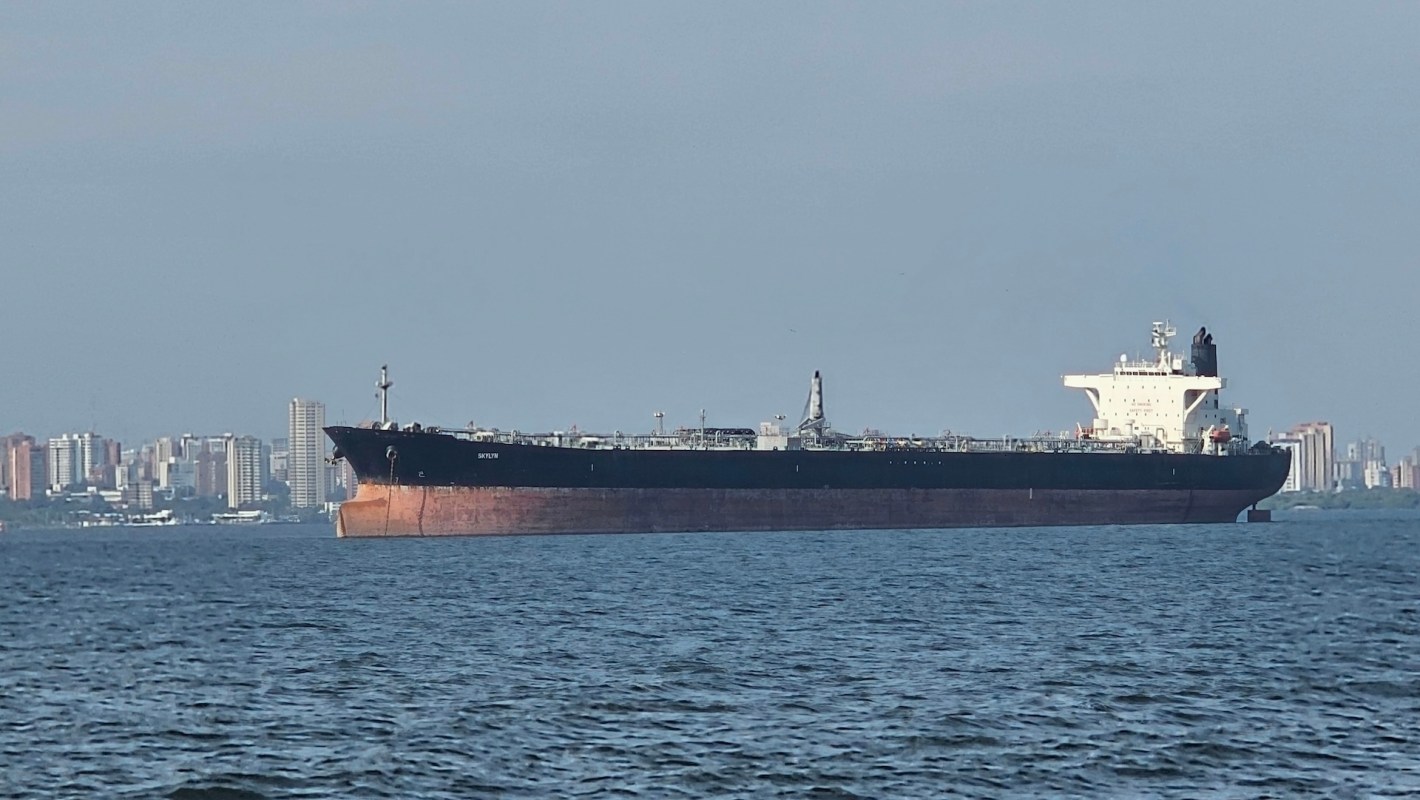
For many families living near the vast oil-producing Lake Maracaibo in Venezuela, toxic spills, fumes, and polluted water are part of daily life, and locals fear conditions could worsen if oil production ramps up again.
As Inside Climate News reported, Lake Maracaibo, a massive brackish bay in the northwest, lies at the heart of the country's oil industry, and it's at the center of a deepening pollution crisis.
Roughly 4 million people live in Zulia state around the lake, and residents and activists have said spills are common and becoming more frequent as infrastructure deteriorates.
One told the publication that things are so bad, they joke with their family that "you'll sprout a third eye" if you swim in the water.
"All of the beaches … are very contaminated, and unfortunately, these beaches are mostly crowded by the poor population," said resident Mónica Godoy Molero.
Per ICN, the number of reported oil spills rose from 77 in 2021 to 84 in 2022. Venezuela has not published official spill data for the past four years, making the scale of the damage harder to measure.
TCD Picks » Quince Spotlight
💡These best-sellers from Quince deliver affordable, sustainable luxury for all




Now, as Washington pushes to revive Venezuela's oil sector and the country opens the door to broader private investment, people in the Maracaibo region have said they are bracing for another wave of extraction without meaningful cleanup.
Ecotourism guide Gustavo Carrasquel Parra told ICN that one spill two years ago left his clients' feet coated in oil and tar, hurting tourism and adding to a long list of environmental harms he said he has witnessed firsthand.
Residents depend on the tainted waterways for drinking, bathing, and fishing, exposing them to petroleum, heavy metals, and industrial chemicals.
Gas flaring from wells and refineries also pollutes the air, while decades of drilling have contributed to land subsidence that can worsen flooding in nearby communities. This kind of exposure is linked to neurotoxicity, cancer, and cardiovascular disease.
The gas, oil, and coal industries typically harm poorer communities disproportionately. They are also a major force behind the planet's overheating, intensifying extreme weather disasters that destroy homes, livelihoods, and local economies.
Without strong enforcement, more drilling could deepen public health risks, environmental damage, and economic instability for the same communities that have already borne those costs for generations.
Activists in the region are pushing for a different approach. As ICN noted, Parra is lobbying for a rule that would set aside 5% of the state's oil revenue for environmental remediation in Lake Maracaibo — an effort aimed at securing cleanup funding before new investment expands production.
Some experts have said Venezuela already has strong environmental laws on paper, including requirements for impact studies during oil projects, but enforcement remains weak. Years of spills, flaring, and weak oversight have left communities skeptical that existing protections will actually be enforced.
Transparency will be essential if private companies take on a larger role in the sector. A former employee of Petróleos de Venezuela, S.A., told ICN both the government and oil operators need to clearly disclose their activities and respect community input.
The most realistic near-term goal may not be solving the entire crisis at once, but continuing to document spills, push for cleanup funds, and demand stronger oversight before another boom leaves the same communities with more contamination and little support.

Get TCD's free newsletters for easy tips, smart advice, and a chance to earn $5,000 toward home upgrades. To see more stories like this one, change your Google preferences here.







