


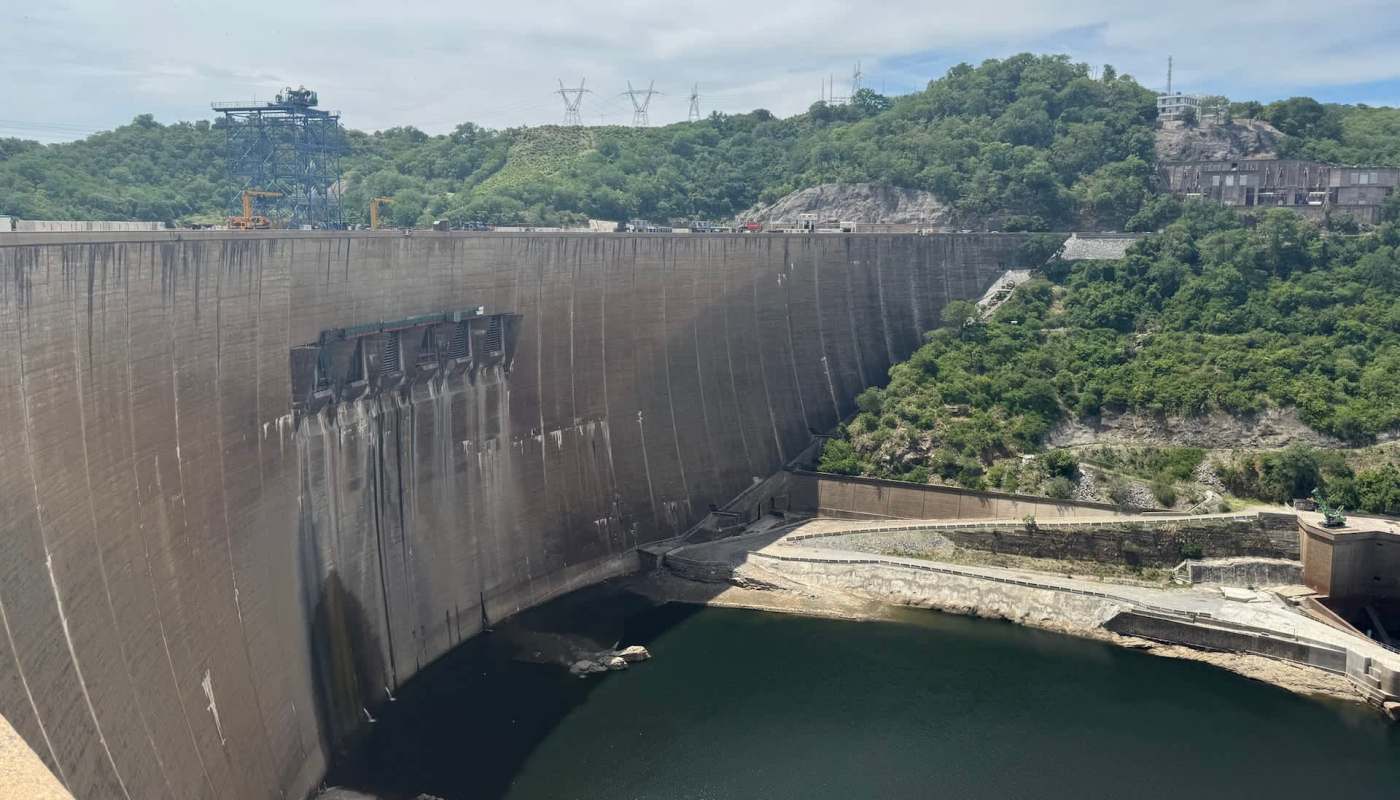
Following above-average rainfall throughout the region, a drought-stricken lake in Africa is now showing signs of a significant recovery.
As reported by Zimeye, improved water levels at Lake Kariba have been a welcome sight for local officials. The massive man-made lake is located on the Zambezi River, bordering Zambia and Zimbabwe. Created by the Kariba Dam, the lake is essential to the region's supply of hydroelectric power.
According to hydrological data from the Zambezi River Authority, Lake Kariba reached 1,563 feet above sea level with 6.31% usable storage on Jan. 18. The figure represents a massive improvement from the 3.37% of usable storage just 12 months ago, when the region was mired in a severe drought.
Zimeye noted that the Kariba South Hydro Power Station's current generation capacity sits at around 250 megawatts due to previous restrictions. However, due to increased rainfall and improved water levels, officials may be able to ramp up that capacity to 750 megawatts in 2026. This could go a long way in stabilizing the region's power grid.
In addition to the much-needed boost to Zimbabwe's power supply, the country's agriculture industry may also see a great improvement. Triggered by an intense El Niño, the country's prolonged drought in 2024 led to the declaration of a national disaster. Millions of people faced food insecurity due to massive crop failures and water shortages caused by the drought.
The National Oceanic and Atmospheric Administration explained that the current presence of a strong La Niña has resulted in Zimbabwe enjoying a productive rainy season, offering a sense of relief to millions and easing drought conditions.
Despite the welcomed rainfall, researchers have previously signaled a need for the diversification and establishment of new hydroelectricity resources within the Upper and Lower Zambezi Basin.
First published in the journal Heliyon, a study pointed to a rapidly changing climate that has led to "high annual rainfall variability and river water flow" in the region.
"The major water supply challenges at Lake Kariba are largely due to the unsustainable use of the available water resources," the researchers noted.
The study concluded by suggesting that this variability may require a need to adapt more of a focus on energy efficiency within the region's communities.
TCD Picks » Quince Spotlight
💡These best-sellers from Quince deliver affordable, sustainable luxury for all




|
What's the most you'd pay per month to put solar panels on your roof if there was no down payment?
Click your choice to see results and speak your mind. |
 $200 or more 💰
Get TCD's free newsletters for easy tips to save more, waste less, and make smarter choices — and earn up to $5,000 toward clean upgrades in TCD's exclusive Rewards Club.
Cool Picks






