


Snowfall remains below average across much of the U.S., signaling a disturbing weather pattern.
Areas that typically see snow by now are warmer and drier, with snowpack levels significantly below historical averages.
What's happening?
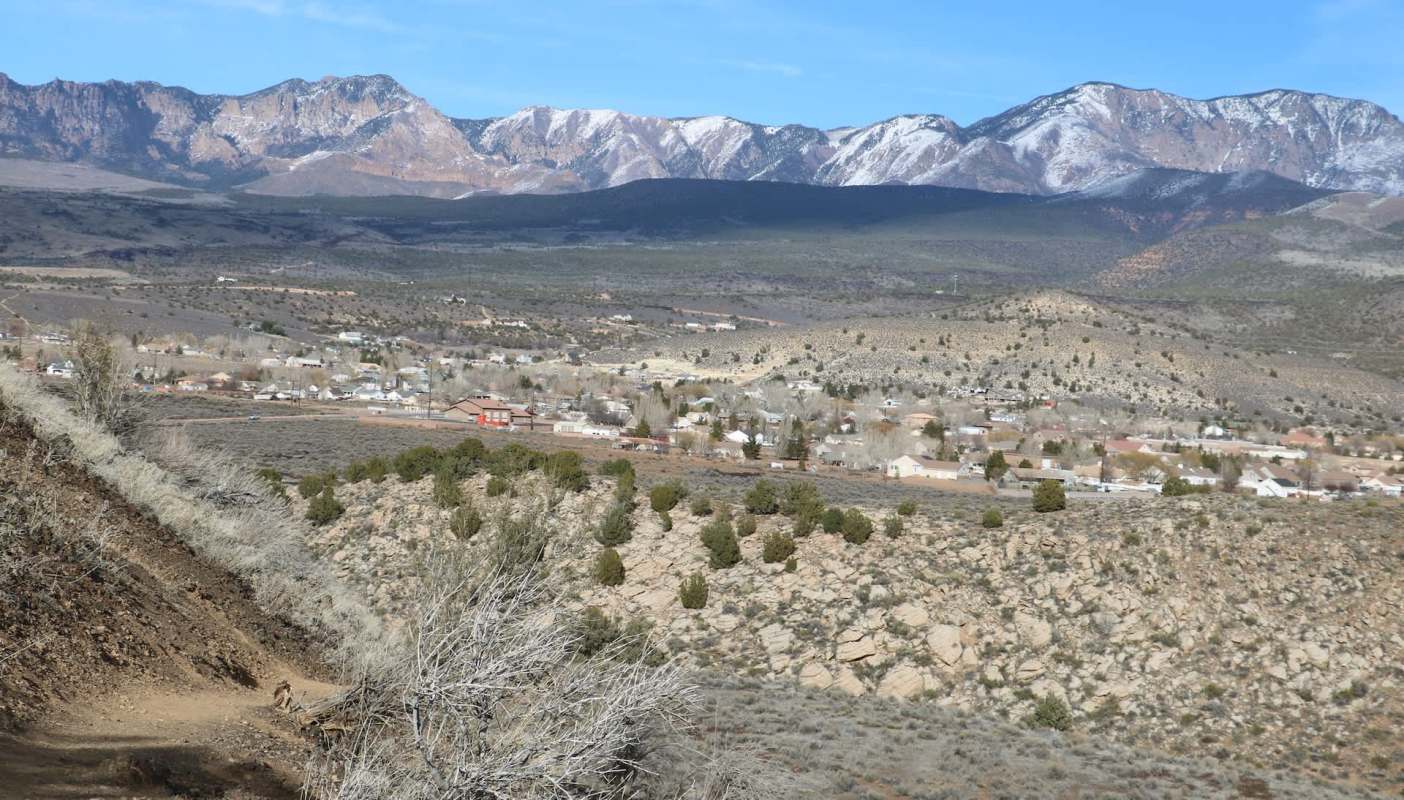
As KUER reported, this phenomenon has been evident in northern Utah, especially in the mountains past the Salt Lake Valley. Parts of this region had only about one-third of the usual snowpack typically seen by the end of November.
Average winter temperatures in Salt Lake County, Utah, have increased by 3.1 degrees Fahrenheit since 1970. Even just those few degrees warmer push average winter temperatures above freezing and influence the likelihood of snowfall.
"Winters are shrinking," said Kaitlyn Trudeau from Climate Central. She also noted that as warmer temperatures expand into the shoulder season, "It's really cutting into winter, and that is super concerning."
Why is delayed snow concerning?
Snow delays have economic impacts in many regions, including beloved ski destinations across Utah. Ski resorts and other recreation-focused businesses rely on snow for tourism dollars, impacting the livelihoods of company owners and employees.
The lack of snow also affects communities' water supplies, reducing the availability of fresh, clean drinking water for local families.
Looking at the issue more broadly, a delayed start to the annual snow season highlights climate shifts driven by pollution and other planet-damaging human activities. Earth continues to warm due to emissions from dirty energy sources and unsustainable development.
The absence of winter snow isn't just an issue in Utah; it's a global trend that signals how climate patterns are changing and impacting various aspects of our daily lives.
What's being done about the lack of winter snowfall?
It's important to be mindful of changing climate conditions that cause extreme and unusual weather, such as low winter snowfall.
TCD Picks » Quince Spotlight
💡These best-sellers from Quince deliver affordable, sustainable luxury for all




|
How often do you worry about air pollution where you live? Click your choice to see results and speak your mind. |
 Always 😷
 By learning about critical climate issues like this, you can make informed decisions about how to live more sustainably with choices that reduce your environmental impact.
For example, switching to clean, renewable solar energy is an excellent way to become more resilient when intense storms strike and to save money on your utility bills. You'll also generate less household pollution and set an example for others in your neighborhood to follow.
TCD's Solar Explorer can help you get started with your solar upgrade. For example, one of our partners, EnergySage, offers a free service to compare local installer quotes and save customers up to $10,000 on upfront costs.
As we adapt to less snowy winters and other seasonal changes in our evolving climate, we can work together to be prepared for the unexpected and protect natural resources.

Get TCD's free newsletters for easy tips to save more, waste less, and make smarter choices — and earn up to $5,000 toward clean upgrades in TCD's exclusive Rewards Club.
Cool Picks






