


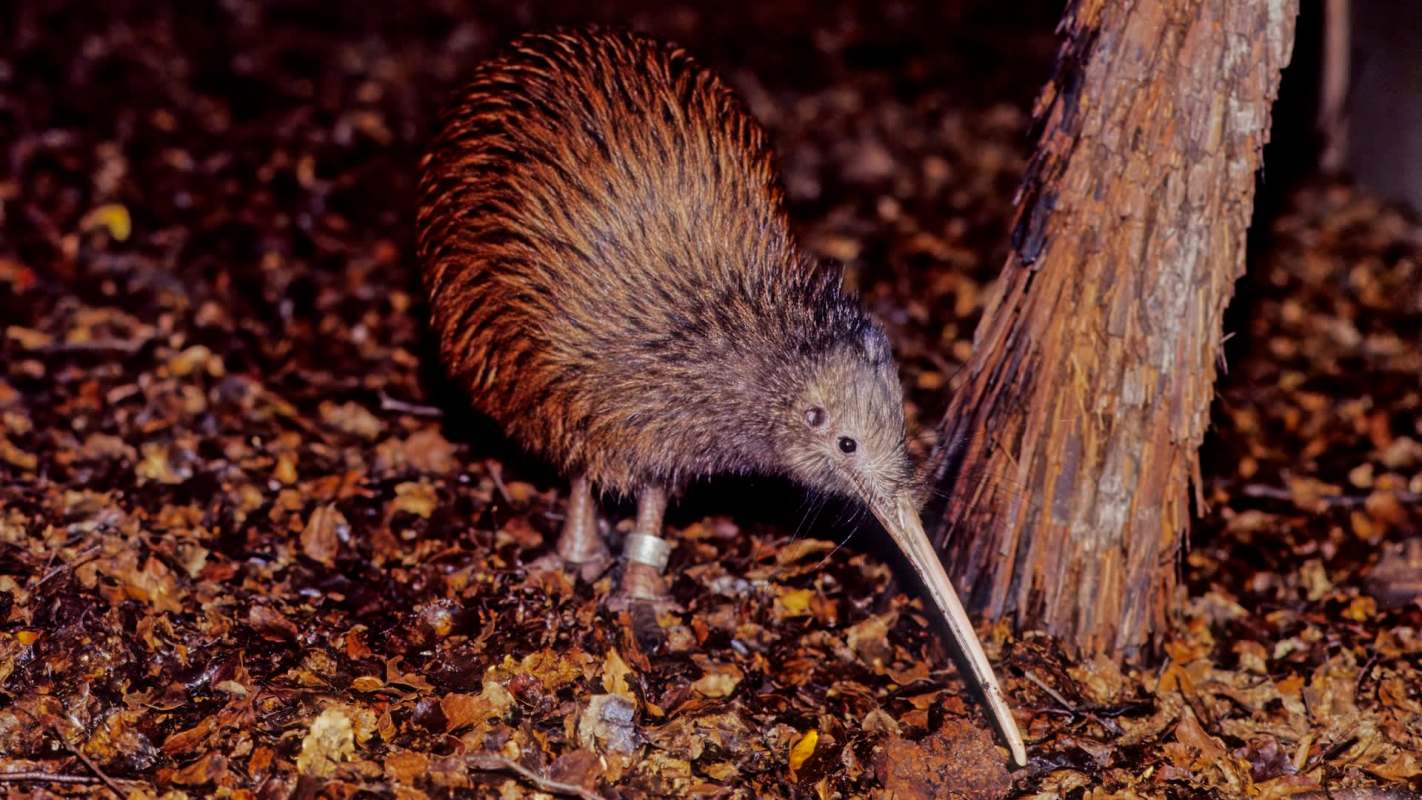
The kiwi, New Zealand's national bird, has been reintroduced to the nation's capital after vanishing from the area over a century ago, according to the Associated Press.
Citizens in Wellington, New Zealand, have united to give this cherished bird a new opportunity to coexist with humans in the bustling capital city, where it had been previously wiped out by predators and urban development.
"Where people are is also the places where we can bring them back because we've got the means to do that guardianship," said Paul Ward, the founder of the Capital Kiwi Project, a charitable trust focused on reintroducing the kiwi to Wellington.
In a ceremonious display, seven of the recently relocated kiwi were carried into Parliament's grand banquet hall, marking a first for the species in celebration of the 250th kiwi's arrival.
The kiwi bird sports a unique look, featuring a whiskery face, curved bill, and underdeveloped wings, rendering it unable to fly.
Scientists predict that there were once around 12 million kiwi birds in New Zealand before humans arrived. Now, about 70,000 kiwi are left in the country, with a steady 2% drop each year.
TCD Picks » Quince Spotlight
💡These best-sellers from Quince deliver affordable, sustainable luxury for all




Despite the numbers of unmanaged populations dwindling, protected populations in sanctuaries and conservation areas are thriving. These protected areas are actually becoming overcrowded due to the rebound in numbers, hence prompting the citizen initiative to relocate the birds to their natural habitats among humans.
The initiative is aided by strategically placed small traps for stoats, a weasel-like mammal and the main predator of kiwi chicks, throughout the community. This strategy comes on the heels of the nation's broader mission to rid the landscape of invasive predators, such as possums, feral cats, and rats.
Community members volunteer to monitor neighborhoods for mammalian predators, all for the sake of kiwi survival.
"We have this incredible movement throughout the country where everyday people are taking it on under their own steam to do what they can to protect a threatened species," said Michelle Impey, chief executive of Save the Kiwi.
Online users were thrilled to learn of the news in the AP's post on the social platform X.
"The bird can't fly but an entire city is carrying it home. That's community," said one commenter.
"A powerful example of urban rewilding and community-led conservation," another stated.

Get TCD's free newsletters for easy tips, smart advice, and a chance to earn $5,000 toward home upgrades. To see more stories like this one, change your Google preferences here.







