


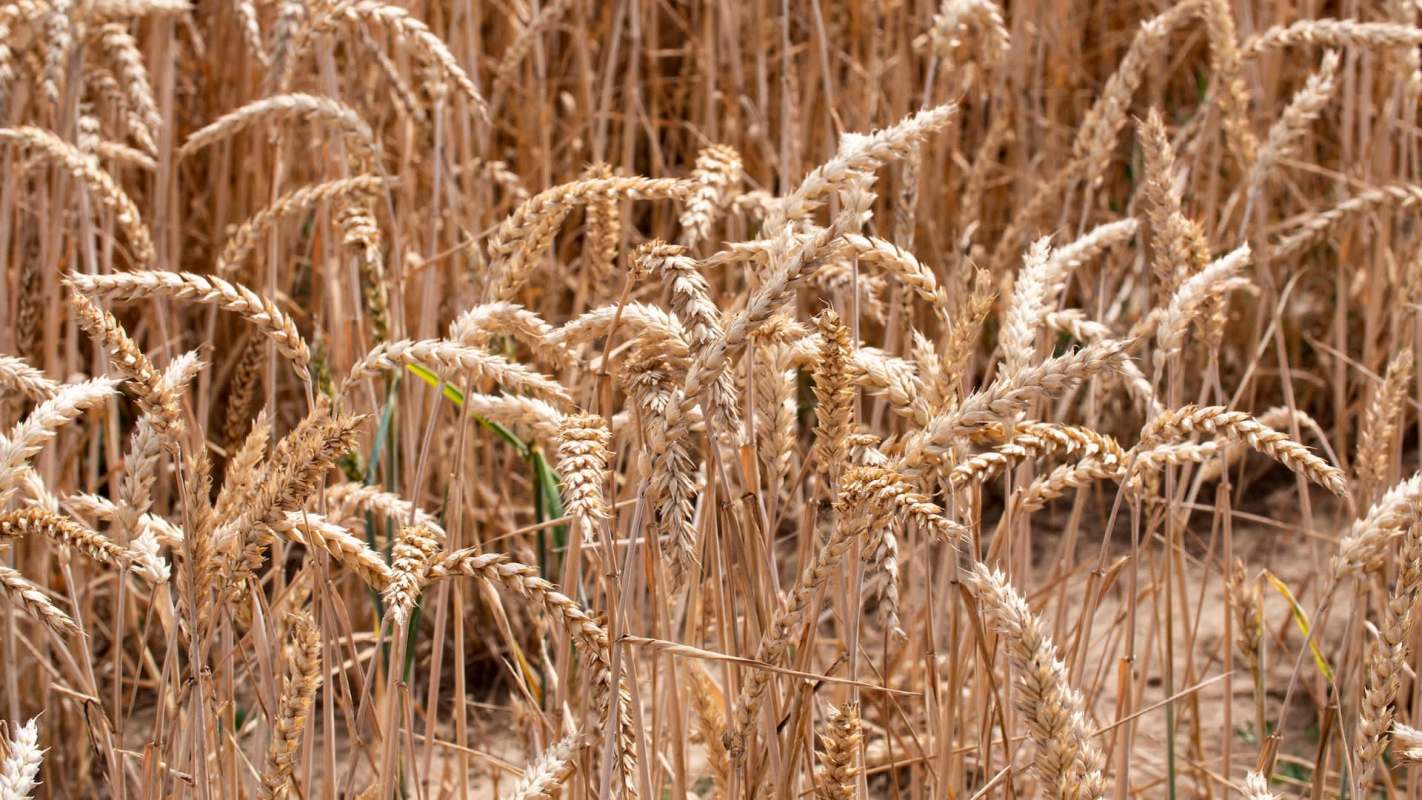
Kansas wheat farmers are facing one of the toughest growing seasons in decades as drought, extreme heat, crop disease, and rising costs hit all at once.
For families who rely on wheat production, the consequences are already becoming clear in shrinking yields, abandoned fields, and difficult financial decisions.
According to the Associated Press, farmers across Kansas say this year's wheat crop has been battered by record drought conditions, hotter-than-average temperatures, late freezes, and mounting disease pressure.
The U.S. Department of Agriculture now expects national wheat production to fall to 1.56 billion bushels in 2026, 21% below 2025 levels and the lowest total since 1972.
Conditions in Kansas, one of the country's leading wheat-producing states, have been especially severe. As of May 17, 58% of the state's wheat crop was rated "poor" or "very poor," making this one of the worst seasons Kansas farmers have seen in roughly 40 years.
For longtime farmer Orville Williams, the drop has been staggering.
TCD Picks » Quince Spotlight
💡These best-sellers from Quince deliver affordable, sustainable luxury for all




Last year, he harvested nearly 100 bushels per acre on irrigated land. This year, he expects only 30 to 40. On dryland acres, yields could fall as low as 10 to 15 bushels per acre.
Researchers said drought has also helped diseases such as wheat streak mosaic virus and barley yellow dwarf virus spread more aggressively. At the same time, intense heat caused much of the crop to mature too quickly, a stress response that often leads to poor grain quality.
"All in all, it's not going to be a good year," Williams said, per the AP.
Kansas remains one of the nation's top wheat producers, meaning a weak harvest can ripple through food prices, exports, and rural economies.
Kansas State agronomist Romulo Lolloto told the AP that consumers may eventually feel the impact "through going to a bakery and having higher bread prices," as well as through reduced U.S. competitiveness in global markets.
The situation also highlights how increasingly volatile weather can make farming more unpredictable, especially in regions already prone to drought.
Scientists have warned that rising global temperatures linked to the burning of coal, oil, and gas are intensifying heat waves and worsening drought conditions in many agricultural areas.
For farmers, that can mean fewer opportunities to recover when multiple challenges collide in a single season.
The financial pressure has been especially difficult for multigenerational operations already dealing with rising fuel, fertilizer, and equipment costs.
"It seems like we're the ones out trying to feed the world, and we're the ones suffering the most," said farmer Mike Nickelson, per the AP.
Many growers are relying on crop insurance to stay afloat, though farmers said those payments cover only part of the losses.
Some federal support tied to trade disruptions has helped, but not enough to offset the scale of damage this season.
In many cases, switching crops is no longer realistic. By this stage of the year, there is often not enough soil moisture left to establish replacement plantings, leading some farmers to abandon fields altogether.
USDA estimates show national wheat abandonment slightly above 32% this year, including about 17% in Kansas.
"I guess my attitude is: Stay the course. Don't make any new purchases," Williams said. "And forget your wants and just do your needs."

Get TCD's free newsletters for easy tips, smart advice, and a chance to earn $5,000 toward home upgrades. To see more stories like this one, change your Google preferences here.







