


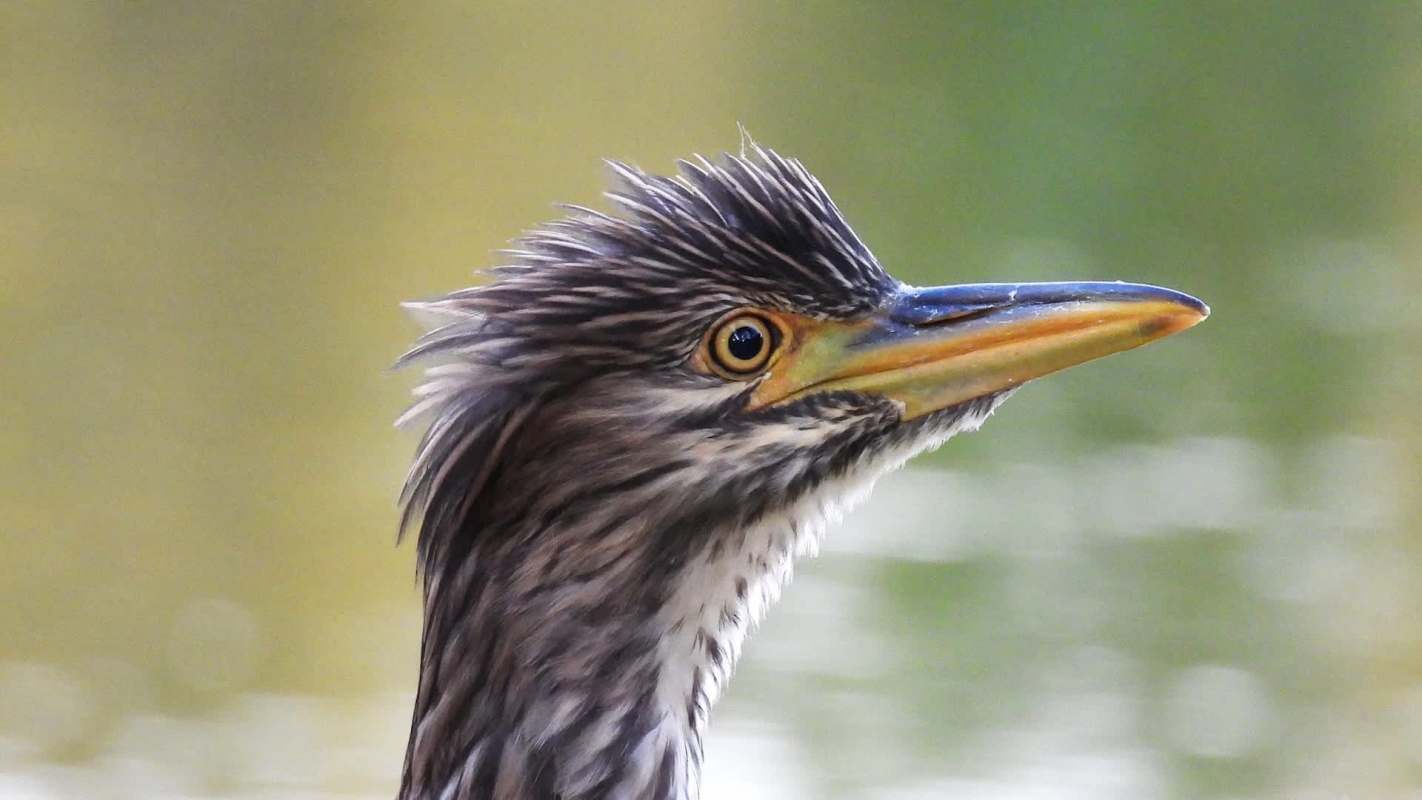
Employees in Chicago's River North suddenly had a wildlife encounter on an otherwise routine day when a state-endangered bird settled on their office windowsill.
The bird, a juvenile black-crowned night heron, soon attracted attention online and highlighted the fact that endangered wildlife still lives alongside people in the heart of the city.
What happened?
Workers in a downtown Chicago office noticed a very large bird perched just outside the window where a business meeting was about to happen. According to Fox 32 Chicago, experts identified it as a juvenile black-crowned night heron, a species listed as endangered in Illinois.
After carefully moving closer to film it, Alaina Neiburger recalled: "It was big, huge. It was like nearly two feet tall. And the neck kept on coming in and out."
Specialists said the appearance was surprising mainly to the people in the office, not because the species is absent from Chicago. FOX Chicago reported that hundreds of black-crowned night herons began nesting at Lincoln Park Zoo about 16 years ago, and they have continued living and foraging around the city since.
Amy Lardner, founder of the Chicago Black-Crowned Night Heron Project, said, "Four hundred black-crowned night herons are managing to hide in plain sight. They were not invited by the Lincoln Park Zoo, by the way. The zoo has been marvelous about it, but it's kind of like, hey, they're taking over the neighborhood."
TCD Picks » Quince Spotlight
💡These best-sellers from Quince deliver affordable, sustainable luxury for all




Why does it matter?
A heron landing on an office windowsill may be rare, but it also reflects a broader reality: Animals are adapting to built environments, fragmented habitats, and food sources spread throughout urban neighborhoods.
That overlap also raises questions about how cities are designed.
An endangered species is moving through the city, and many residents may not realize that their daily surroundings also function as wildlife habitat.
What's being done?
Advocates and bird enthusiasts are using sightings like this to remind Chicagoans that these herons are already part of the city and that the places they use need protection, Fox Chicago noted.
Chicago's Lincoln Park Zoo has also become part of that conservation story by unintentionally serving as a nesting site for the birds.
Lardner described the birds as locals: "They're true Chicagoans nesting at zoo. These birds have to go all over Chicago to bring that food back to feed their heron chicks."
Neiburger added, "You'd love to know that, especially in a city, that there's a community looking to help these birds and maintain their lives and improve them and educate the public that's a big part of it as well."

Get TCD's free newsletters for easy tips, smart advice, and a chance to earn $5,000 toward home upgrades. To see more stories like this one, change your Google preferences here.







