


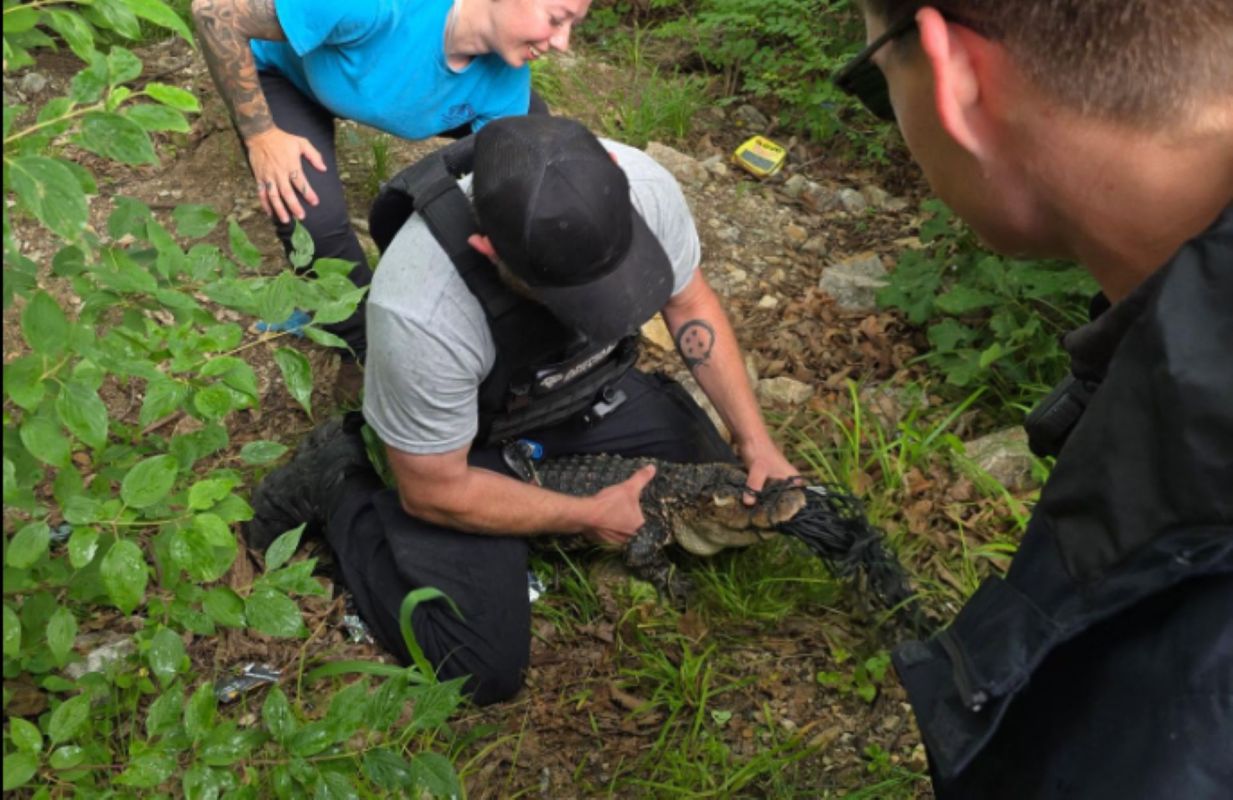
A juvenile alligator that surfaced at a Missouri lake has been safely captured, bringing a brief but unsettling wildlife scare for local visitors to an end.
Near Longview Lake in Jackson County, the young reptile — known locally as "Longview Lou" — was ultimately found after a fisherman showed responders where to look.
What happened?
KCTV reported that, after the alligator was reported at Longview Lake, park rangers teamed up with Kansas City Animal Control for an afternoon search that ended with the animal being removed safely.
According to officials, the response began when a fisherman noticed the alligator and guided crews toward the spot where it was concealed.
According to a Facebook post sharing the news, there is "no longer a public safety concern."
Kansas City Animal Control now has the reptile and is expected to keep it for a short time while officials try to find out whether it belongs to someone.
TCD Picks » Quince Spotlight
💡These best-sellers from Quince deliver affordable, sustainable luxury for all




Why does it matter?
Even though this was a juvenile alligator, the sighting was unusual enough to raise concerns.
The incident also highlights the human role behind many unusual wildlife encounters. Missouri is not where most people would expect to find an alligator in a public lake, and the fact that officials are checking whether the reptile has an owner suggests this may not have been a natural situation. In cases like this, animals can end up in the wrong environment because of the exotic pet trade, abandonment, or escape.
A young alligator released into an unfamiliar habitat may struggle to survive, find food, or avoid conflict with humans. When people move wild animals outside their native range, both communities and the animals themselves can face consequences.
What's being done?
The immediate response involved both park rangers and Kansas City Animal Control, which searched the area, secured the alligator, and placed it in professional care.
The safest response in situations like this is to avoid approaching unfamiliar wildlife, report sightings quickly, and let trained officials handle the removal. Trying to capture or corner an animal can put both people and the animal at greater risk.
Keeping exotic animals is an issue that affects more than just the owners. When owners are unable to care for them, communities, shelters, and wildlife agencies often end up dealing with the fallout.

Get TCD's free newsletters for easy tips, smart advice, and a chance to earn $5,000 toward home upgrades. To see more stories like this one, change your Google preferences here.







