


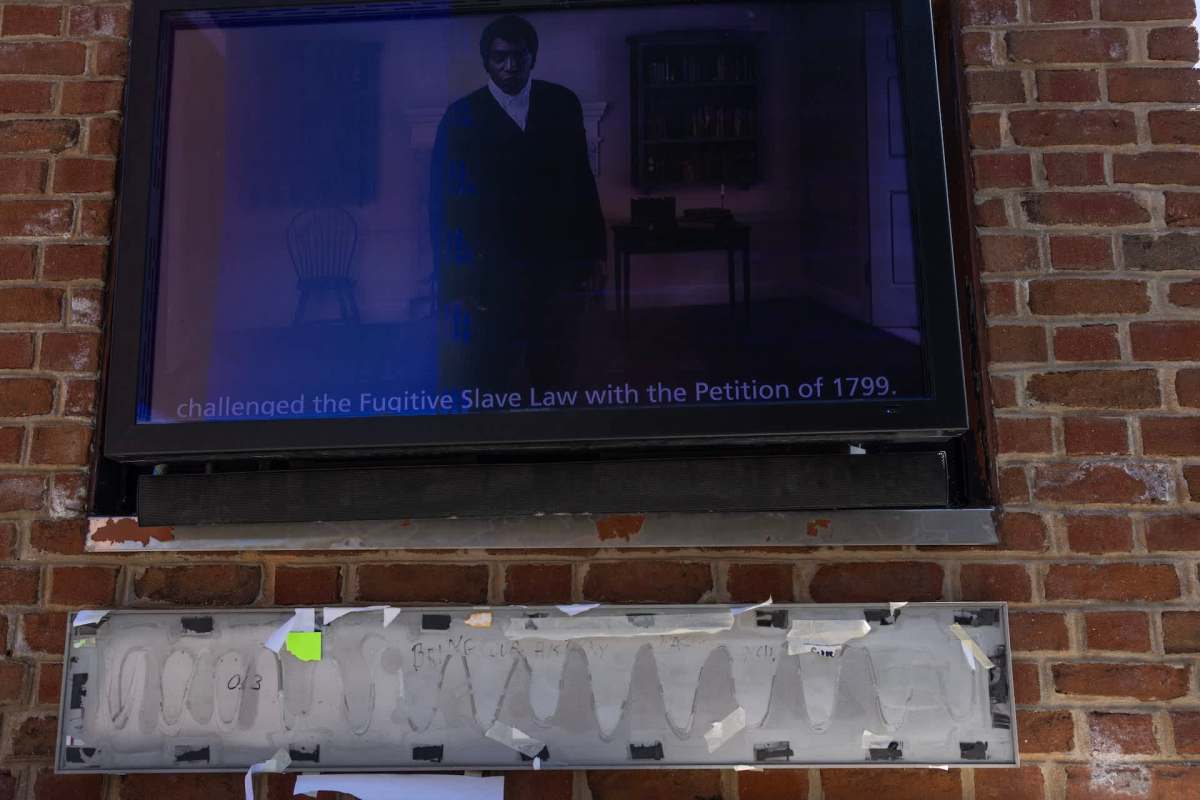
Ahead of Independence Day, a federal judge has told the Trump administration to put back national park signs removed under an executive order that singled out references to climate change, slavery, Indigenous history, and LGBTQ+ stories.
The ruling comes just ahead of the Fourth of July and could restore missing context at some of the country's most significant historic sites, according to AOL.
What happened?
On Friday, U.S. District Judge Angel Kelley issued a preliminary injunction directing the administration to replace, before Independence Day, any park language that had been taken down under the order.
The case was brought by a coalition of conservation and history groups who said the policy was removing scientific information and difficult but necessary parts of American history.
Trump signed the executive order in March 2025, saying that certain national park language was part of "a concerted and widespread effort to rewrite our Nation's history" because it presented the country's "founding principles and historical milestones in a negative light."
It instructed more than 430 park sites to review the wording on monuments, memorials, statues, and markers and to add QR codes so visitors could report displays they saw as "unpatriotic."
TCD Picks » Quince Spotlight
💡These best-sellers from Quince deliver affordable, sustainable luxury for all




Among the changes cited across the country were the removal of a pride flag at New York City's Stonewall National Monument, the deletion of references to President Washington's slaves at Independence National Historical Park in Philadelphia, and the loss of signs about climate threats at Fort Sumter in South Carolina.
California sites also faced review, including language about Japanese American internment at Manzanar National Historic Site and material on Indigenous history at Death Valley and Muir Woods.
In the injunction, Kelley said national parks should tell "the good, the bad, and the ugly" and accused the administration of trying "to rewrite the Nation's history with a white-out pen."
Why does it matter?
The removal of climate-related information also has practical consequences. Signs about rising seas, extreme heat, erosion, and other threats can help visitors make safer decisions while showing how landscapes are changing in real time.
What are people saying?
Kelley said it was "equally important that our shared history be honestly told and fully restored" in time to "properly honor the remarkable achievements of the United States."
Alan Spears, senior director of cultural resources at the National Parks Conservation Association, said earlier this year, "National parks serve as living classrooms for our country, where science and history come to life for visitors."
He added: "We can handle the truth."
The Department of the Interior criticized the ruling as the work of a "liberal activist judge" and said it was considering whether to appeal, according to AOL.

Get TCD's free newsletters for easy tips, smart advice, and a chance to earn $5,000 toward home upgrades. To see more stories like this one, change your Google preferences here.







