


A social media post about Japanese monks "accidentally" creating the world's longest climate dataset recently went viral, with 1.2 million views, bringing renewed attention to a topic that fell under the radar when it first received coverage in 2021.
Shared by John Bistline (@JEBistline) to the social platform X, the post shows a graph alongside the caption: "This is my favorite climate change chart. Japanese monks, aristocrats, and emperors kept meticulous records of cherry blossom festivals for 1,200 years and accidentally built the world's longest climate dataset."
This is my favorite climate change chart. Japanese monks, aristocrats, and emperors kept meticulous records of cherry blossom festivals for 1,200 years and accidentally built the world's longest climate dataset. pic.twitter.com/p0CfCtYCcg
— John Bistline (@JEBistline) April 1, 2026
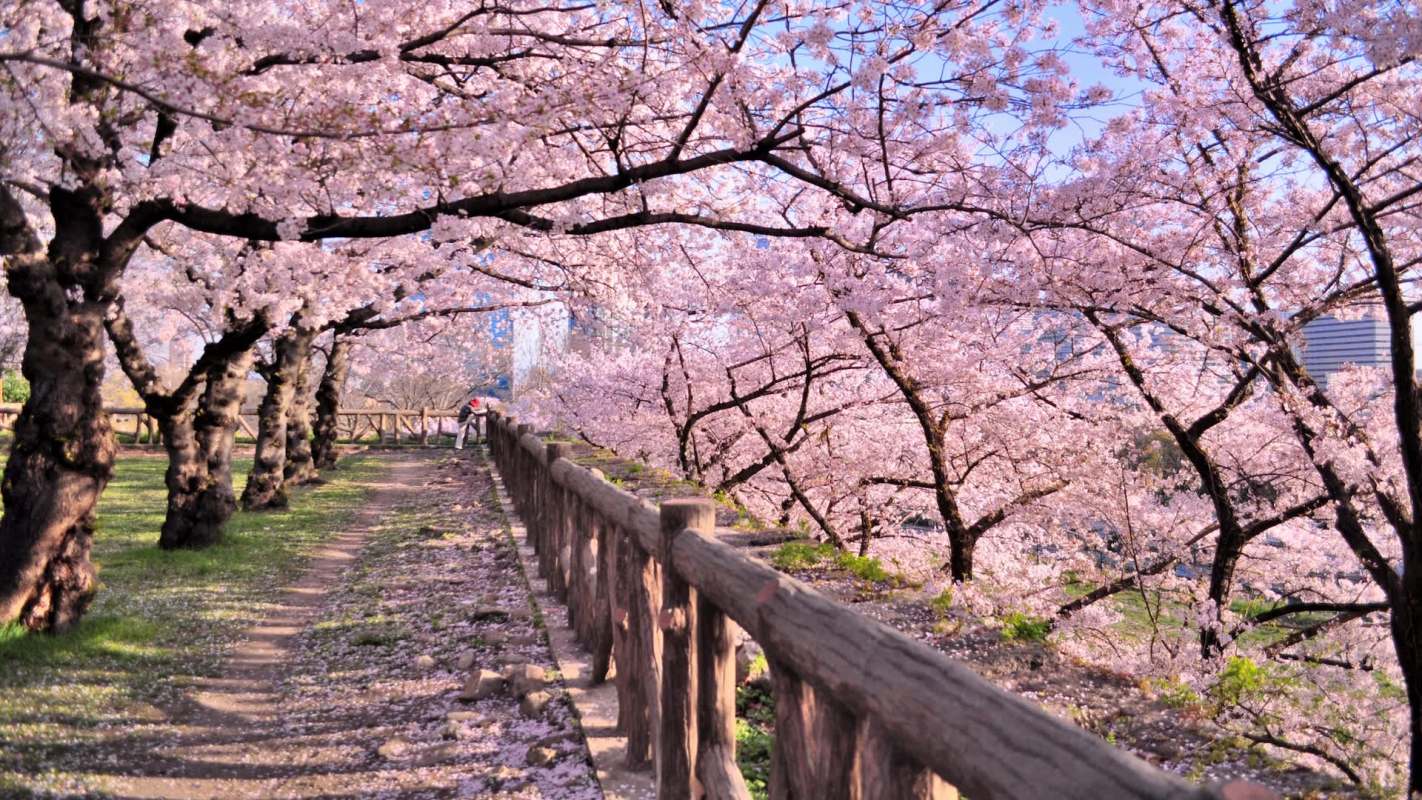
The data showcased in the graph shed new light on the fact that cherry blossom season in Japan has been coming earlier and earlier, likely due to Earth's warming.
In 2021, a year that saw the earliest cherry blossom season to date, CBS News reported that experts pointed to rising global temperatures as the likely reason.
Yasuyuki Aono, an expert from Osaka Prefecture University, analyzed weather data in Kyoto dating back to 812, the same data as in the X post. Aono found that shifts in temperature, likely because of a warming climate, have advanced the blooming of "sakura" by approximately three weeks, moving from mid-April to mid-March.
That same year, Shunji Anbe, an official at the observations division at the Japan Meteorological Agency, said, according to The Associated Press: "We can say it's most likely because of the impact of the global warming."
Cherry trees are sensitive to temperature changes, and the timing of their blooming can provide valuable data for studies on the effect of Earth's warming, Anbe explained.
This makes the data from the monks, aristocrats, and emperors critical in tracking climatic changes over such a long timespan and explains why the X post garnered so much attention.
"What's amazing about this data is not only the fact that 'it's measured every year,' but also the ability of Japanese literature and history to preserve records that can be referenced 'all the way back to 1,200 years ago,'" one commenter noted.
"Didn't realize this existed," added another. "1,200 years of records is incredibly interesting as climate evidence."
TCD Picks » Quince Spotlight
💡These best-sellers from Quince deliver affordable, sustainable luxury for all




"Twelve hundred years of monks paying attention to beauty accidentally built the most honest dataset on the planet," another mused.
|
Which of these savings plans for rooftop solar panels would be most appealing for you?
Click your choice to see results and earn rewards to spend on home upgrades. |
 Save $1,000 this year 💸
Get TCD's free newsletters for easy tips to save more, waste less, and make smarter choices — and earn up to $5,000 toward clean upgrades in TCD's exclusive Rewards Club.
Cool Picks




