


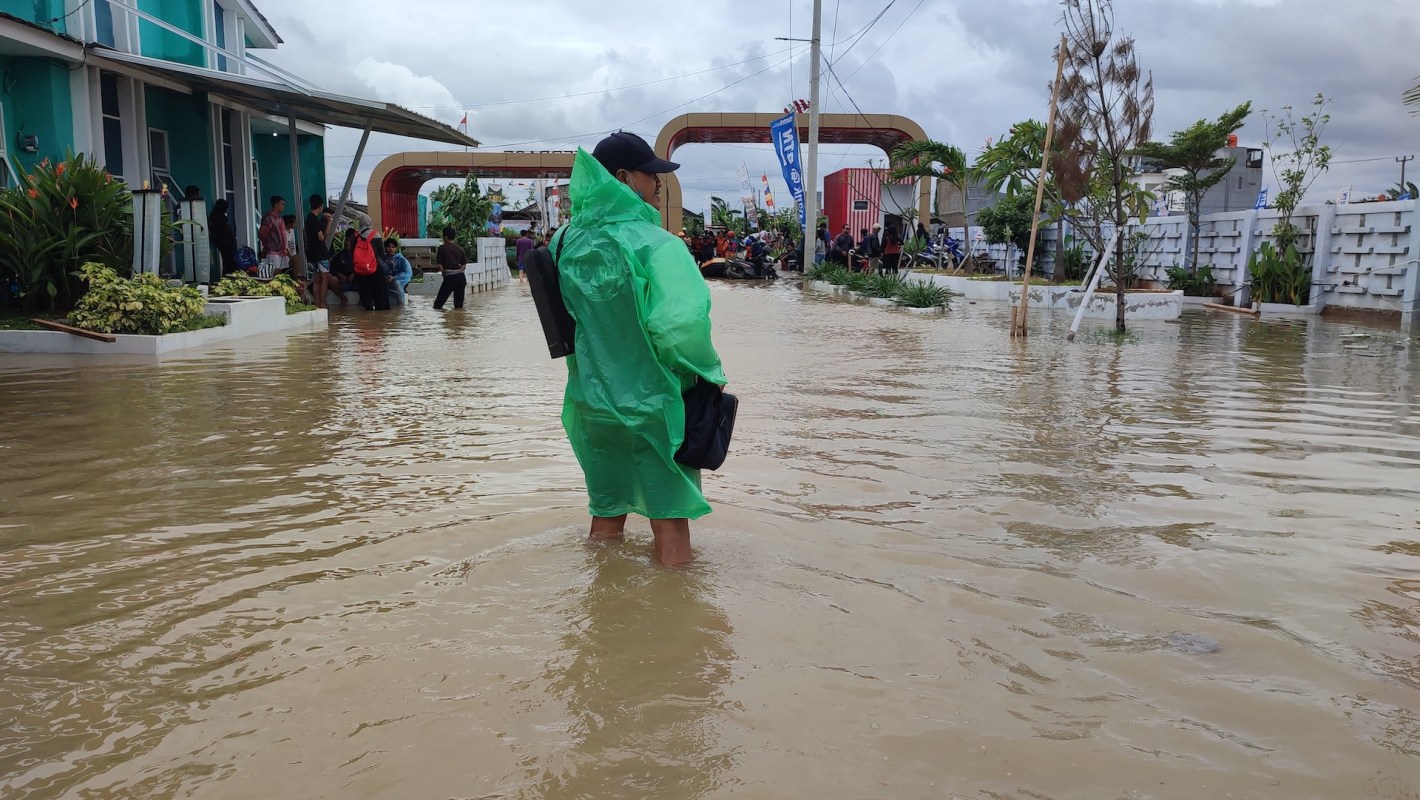
Residents in Jakarta are facing an unsettling new finding: Tiny plastic particles are now showing up in the city's rain.
A years-long study from Indonesia's National Research and Innovation Agency found microplastics in every single rainwater sample collected across the capital, raising fresh concerns about what people may be breathing in or drinking without realizing it.
What's happening?
Researcher Muhammad Reza Cordova said teams detected synthetic fibers and plastic fragments in all samples collected since 2022, including polyester, nylon, polyethylene, and polypropylene.
As reported by BRIN, the highest levels — about 15 particles per square meter per day — were found near coastal areas.
"These microplastics come from synthetic fibers in clothing, dust from vehicles and tires, burning of plastic waste, and degradation of plastics in open environments," said Reza.
Once airborne, those everyday fragments mix with moisture in the atmosphere and fall back down with the rain.
Why is this discovery concerning?
While rainwater itself isn't dangerous, the microplastics it carries can be. These particles often contain chemical additives or pick up pollutants along the way, meaning they can potentially enter the human body through the air, drinking water, or even food.
Scientists still don't know the full extent of the health impacts. But early studies show cause for concern, including hormonal disruption, oxidative stress, and tissue damage.
Microplastics may also alter soil health. Research published in Environmental Science & Technology found they can disrupt bacterial processes, stripping soil of nutrients and releasing nitrous oxide, a powerful heat-trapping gas that contributes to the planet's overheating.
For communities, the issue goes beyond environmental, impacting everyday public health and food safety.
TCD Picks » Upway Spotlight
💡Upway makes it easy to find discounts of up to 60% on premium e-bike brands





|
Do you feel like the air quality is safe where you live? Click your choice to see results and speak your mind. |
 Always 💯
 What's being done about it?
Indonesia has announced plans to ban all plastic waste imports by the end of this year, aiming to reduce the overwhelming amount of contaminated material entering the country. Officials are also urging better plastic waste collection and public awareness around safe disposal.
Individuals can help by reducing everyday plastic use, avoiding burning trash, and opting for reusable products over single-use plastic.
And there's promising science, too. A new study found that green roofs (roofs covered in plants) can filter up to 97.5% of microplastics from rainwater. Cities around the world are already adopting them to improve air quality and create cooler, healthier neighborhoods.

💰Get TCD's free newsletters for easy tips to save more, waste less, and make smarter choices — and earn up to $5,000 toward clean upgrades in TCD's exclusive Rewards Club.
Cool Picks






