


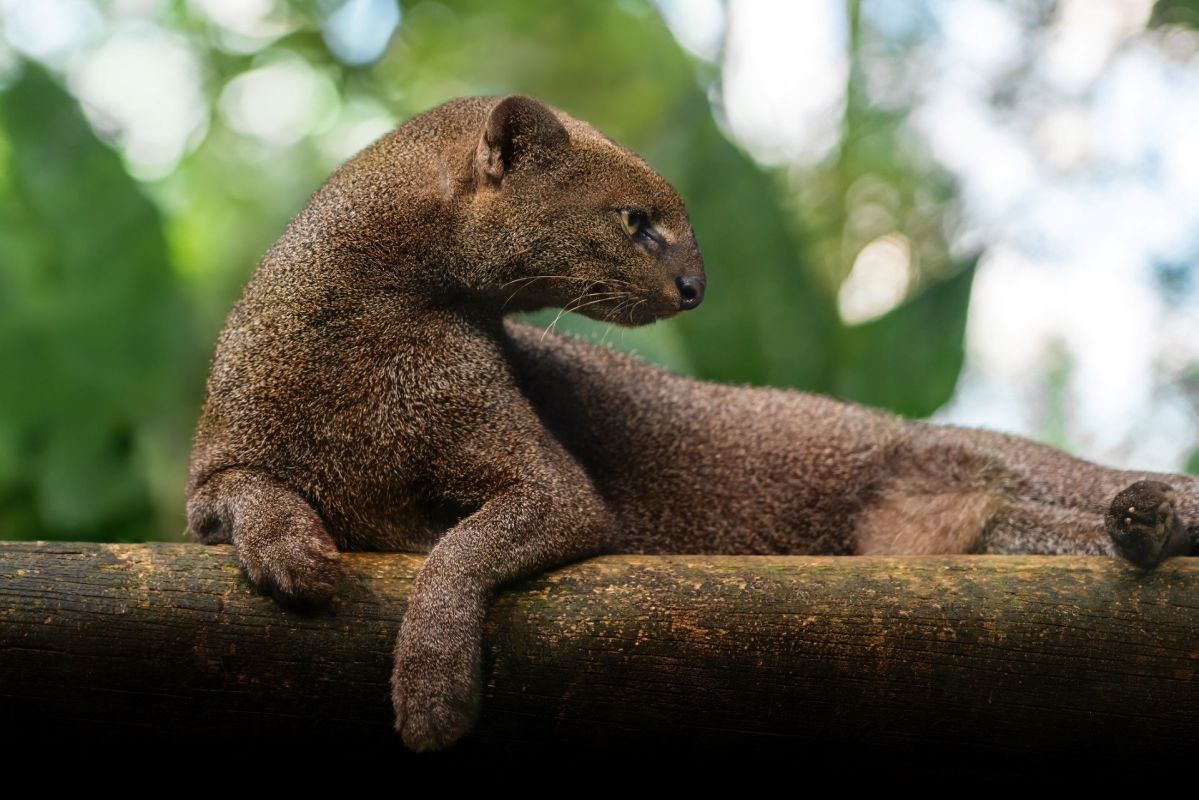
The jaguarundi, a small wild cat that ranges from Mexico to Argentina, is drawing new concern after the IUCN Red List moved it from least concern to near threatened, a sign researchers say the species needs far more attention.
Here's what to know
In coverage from Mongabay, researchers behind the status review said the cat's range has obscured how uncommon it actually is. Their estimate is roughly 13,000 mature jaguarundis, with the species ranking among the rarest wild cats across much of its range.
Tadeu de Oliveira, a co-chair of the IUCN Cat Specialist Group, led the new assessment and said the animal's relative visibility helped create a misleading sense of abundance.
Because jaguarundis are active in daylight and frequently cross open ground, people saw them often enough to assume the population was doing well, Mongabay reported. "It's easier to be seen and because of that, people perceived it as common," de Oliveira said. "But when you quantify it data-wise, it shows to be otherwise."
Across their range, the cats face a mix of pressures, including conflict with people, vehicle strikes, dog attacks, and diseases such as rabies and mange. Researchers said even the Amazon may not be the safe haven it was once thought to be.
More background
An unusual-looking wild cat, the jaguarundi weighs about 15 pounds and inhabits savannahs, forests, and other open areas. Conservationists caution, however, that flexibility in habitat use is not the same thing as long-term safety.
TCD Picks » Quince Spotlight
💡These best-sellers from Quince deliver affordable, sustainable luxury for all




If a species fades from large sections of its range without drawing much notice, that can reflect deeper challenges tied to roads, disease control, and everyday human-wildlife interactions. Those same pressures can reduce biodiversity and create problems for nearby farmers, pet owners, and rural communities.
Flávia Tirelli, whom Mongabay said led Brazil's last assessment of the species and coordinates the Geoffroy's Cat Working Group, said the updated status should be read as a warning against judging risk too simply. "This change highlights the need to pay closer attention to species that, despite wide distributions, can have highly varying abundances across different locations," Tirelli said.
Tirelli also said that declines in different parts of the cat's range could gradually weaken the species' ability to persist. "Wide ranges face a broader variety of threats at different intensities, which means we might be losing genetic variability in certain areas," Tirelli said.
What's being done?
A central task is building a much better evidence base. Mariam Weston-Flores, whom Mongabay identified as chair of the Ocelot Working Group and a co-author of the assessment, said jaguarundis have been largely neglected by species-specific research. "It's hard to get records of it because nobody's targeting the species," Weston-Flores said in an interview with Mongabay.
The researchers said that protecting habitat alone will not be enough. Among the measures they recommended were predator-proof chicken coops, road underpasses to make wildlife corridors safer, and vaccination campaigns for dogs to limit disease transmission.
Securing poultry can help farmers avoid losses, and improved road design, along with disease prevention, could make shared landscapes safer overall. The hope is that the near-threatened designation will attract additional funding, field studies, and monitoring before the cat moves closer to vulnerable status.
As de Oliveira put it: "I would say the take-home message is for people to rely on data, on information. Not on perceptions when trying to assess a species' status."

Get TCD's free newsletters for easy tips, smart advice, and a chance to earn $5,000 toward home upgrades. To see more stories like this one, change your Google preferences here.







