


A new wildlife assessment is spelling disaster for Arctic seals and a wealth of bird species, according to the Associated Press.
What's happening?
The International Union for Conservation of Nature's Red List's annual update reported a higher risk of extinction for harp, hooded, and bearded seals. Sea ice has been diminishing rapidly, which has created vital habitat loss and the steep decline of seal populations.
Deforestation and agricultural expansion have also caused a drop of more than half of all bird species.
Why are wild animal declines important?
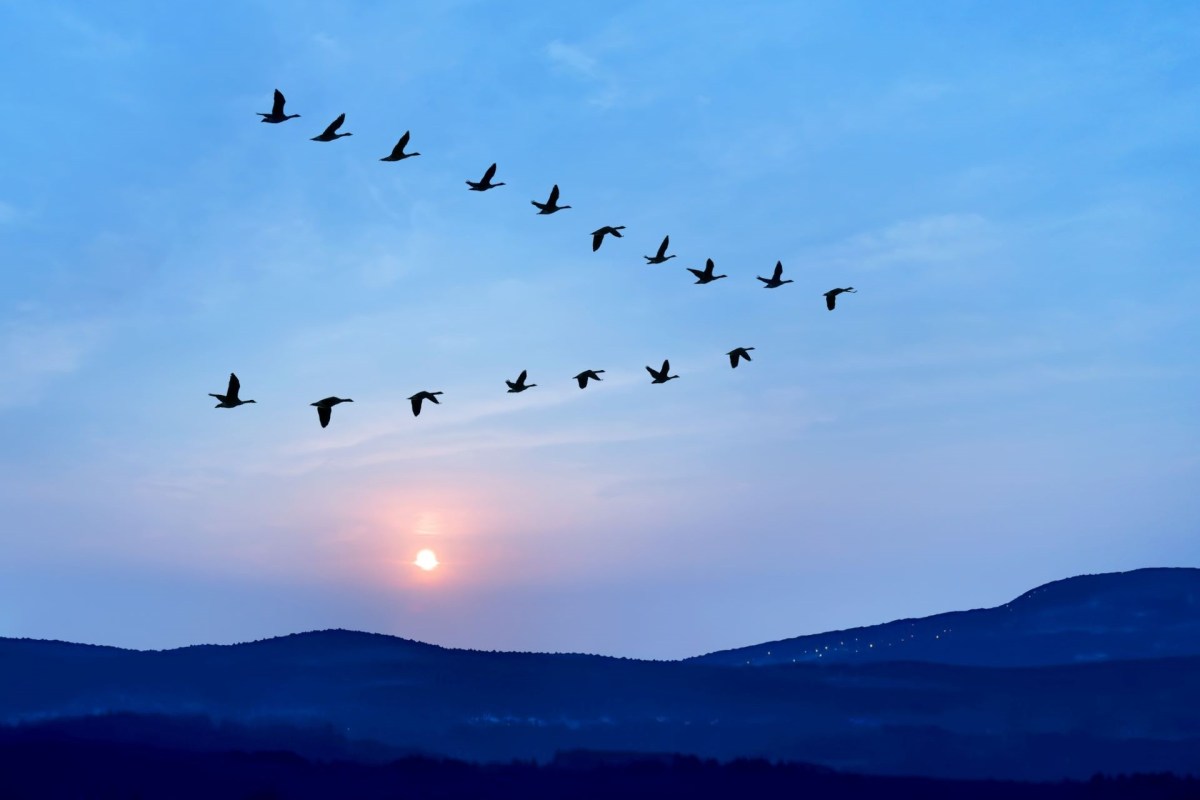
"The fact that 61% of the world's birds are declining is an alarm bell that we can't afford to ignore," said Stuart Butchart, chief scientist at BirdLife International, in response to the report, per the Associated Press.
In 2016, that figure was only 44%.
Atmospheric pollution has quickened the warming of Arctic waters, resulting in reduced sea ice, collapsing glaciers, and global sea level rise. These events pose direct threats to human settlements and will continue to harm wildlife.
TCD Picks » Quince Spotlight
💡These best-sellers from Quince deliver affordable, sustainable luxury for all




Birds, meanwhile, serve as pollinators and vital parts of wider ecosystems. Their disappearance can have cascading effects that directly affect humanity. One report suggested the loss of these animals led to an increasing spread of disease as birds weren't eating carcasses.
What's being done about threatened animals?
Many organizations are taking local action to protect vulnerable species in their area. Some organizations are working to save the Wilkins' bunting in the South Atlantic Ocean. Teamwork has also brought the Least Bell's Vireo back to California.
"The restoration of native forest habitat on Rodrigues Island, facilitating the successful recovery of the endemic Rodrigues warbler (Acrocephalus rodericanus) from Critically Endangered in 1996 to Least Concern today, shows what is possible through partnership and perseverance," said BirdLife's Global Science Coordinator Ian Burfield on conservation efforts for another bird.
The silver lining of the IUCN's update is the progress being made with green sea turtles.
Their status has been upgraded from Endangered to Least Concern. The turtles' population has climbed 28% since the 1970s and has seen rebounds in areas with funding for conservation efforts. These kinds of results have given experts some hope.
|
Should the ultra-wealthy pay a tax to help offset their environmental impact?
Click your choice to see results and speak your mind. |
 Absolutely 💯
Join our free newsletter for good news and useful tips, and don't miss this cool list of easy ways to help yourself while helping the planet.







