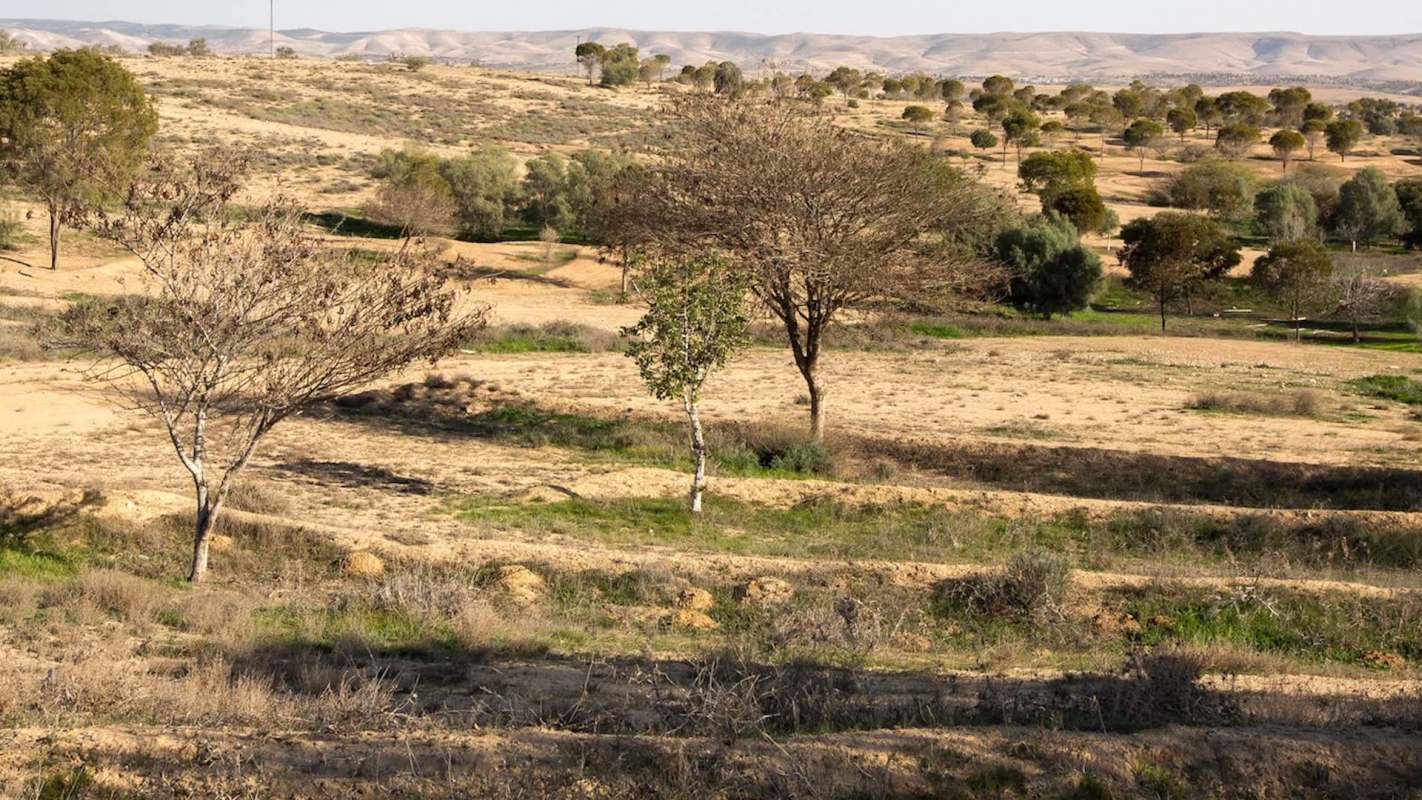
Prolonged droughts and declining rainfall linked to rising temperatures have devastated forests across southern Israel, with more than half of the region's conifer trees tested in a survey dying in what local officials described as an alarming collapse.
What's happening?
According to Ynet Global, Jewish National Fund conducted a remote-sensing survey of around 100,000 dunams (approximately 25,000 acres) of forest spanning from the Be'eri area to Yatir Forest. The assessment revealed that over half of the conifer population, particularly cypress trees, have died.
"The phenomenon has led to widespread damage to forests, with unprecedented tree mortality rates," said Shili Dor-Haim, who leads the Forest Management and Information Department in the JNF Forestry Division, per Ynet.
The damage extended across Carmim, Shikma, Meitar, Lachish, Yatir, Dudaim, and Gerar forests.
Rainfall dropped sharply in 2025 across the country, with only 50-67% of the average annual precipitation falling. Typical years bring around 250 millimeters of rain, but recent years have delivered less than 150 millimeters.
These forests were planted in the 1960s and have defined the landscape for generations.
TCD Picks » Upway Spotlight
💡Upway makes it easy to find discounts of up to 60% on premium e-bike brands




"When you step outside the community and look out, you see that most of the tree cover is simply gray," Eli Shasuha, a resident of Sansana and licensed tour guide, told Ynet. "At this time of year, the forest should be entirely green."
Why is the forest die-off important?
The increasing frequency and intensity of droughts are directly tied to rising global temperatures caused by burning fossil fuels such as gas and coal. These shifting weather patterns disrupt water cycles and deplete water supplies — and prolonged dry periods stress trees until they can no longer survive.
"We are seeing extensive tree mortality in recent months in the northern and western Negev," Dor-Haim said. She explained that years of severe drought had physiological impacts on trees, making them extremely vulnerable.
"Eventually, they reach a point of no return and collapse and die," she told Ynet.
TCD Picks » Quince Spotlight
💡These best-sellers from Quince deliver affordable, sustainable luxury for all




|
Do you worry about having toxic forever chemicals in your home?
Click your choice to see results and speak your mind. |
 Majorly 😥
 The loss of forest cover also eliminates natural shields against extreme weather. Forests help retain rainfall and moderate temperatures — services that become increasingly important as global weather grows more volatile.
What's being done about drought-damaged forests?
JNF has begun mapping and assessing forest conditions while planning for renewal and rehabilitation efforts. The new approach looks to ensure long-term forest resilience by adapting tree species, management methods, and ecological planning to high-risk areas.
Officials will match vegetation to appropriate habitats, encouraging natural processes and native species as well as preserving forested areas.
"We want to support our forests in desert regions," Dor-Haim told the news outlet. "This past winter, we saw high-intensity rainfall, and we need to see how rainfall can be retained within forest areas, which act as buffers for the extreme events we are experiencing."
Learning more about such climate challenges is vital to staying informed and finding ways you can help.

Get TCD's free newsletters for easy tips to save more, waste less, and make smarter choices — and earn up to $5,000 toward clean upgrades in TCD's exclusive Rewards Club.
Cool Picks