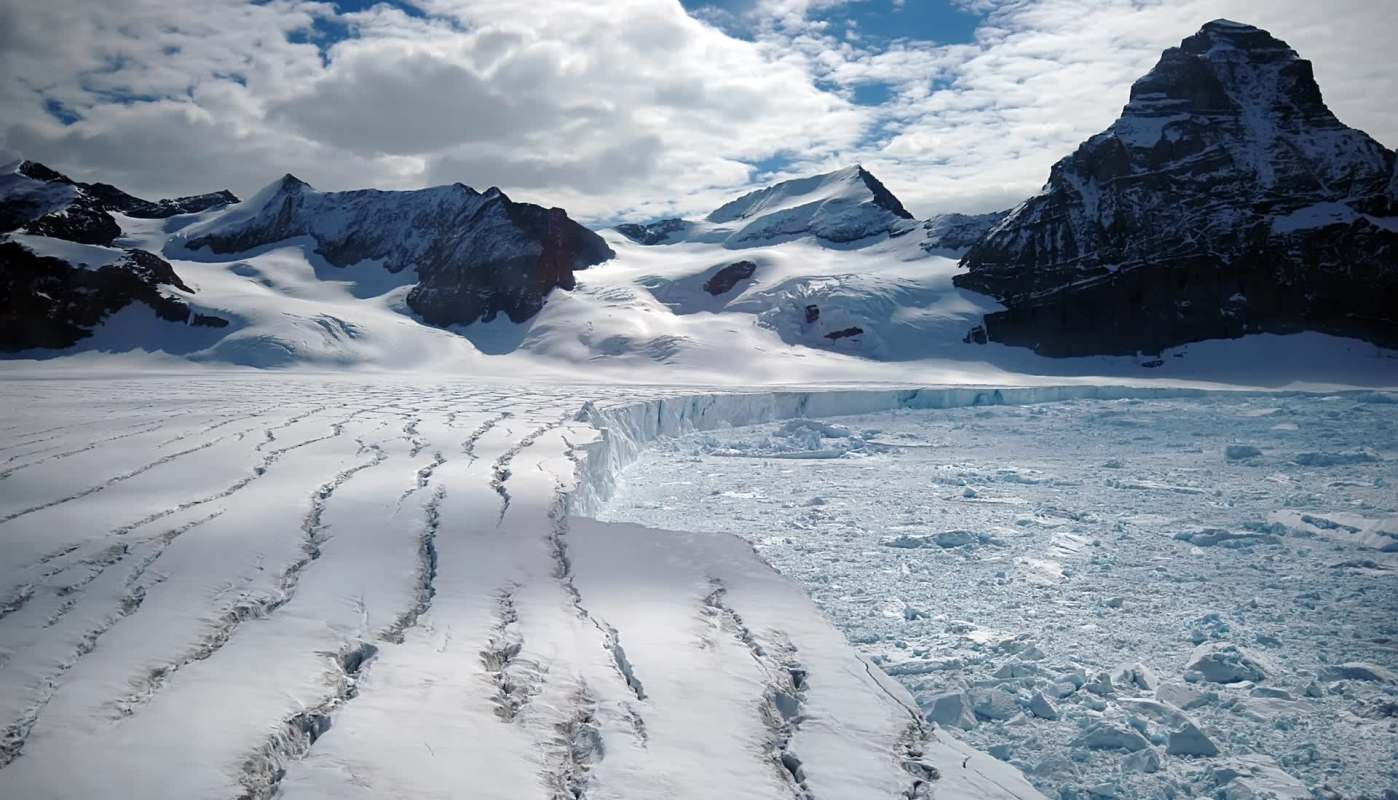
A massive glacier collapse in Tajikistan has reignited global concerns about rapid changes in mountain ice — and what they can mean for the communities most vulnerable to the effects of rising temperatures.
What's happening?
On October 25, around 11 o'clock in the morning, a huge section of the Ismoil Somoni glacier tore away near the village of Safedobi, the Times of Central Asia reported. The ice mass, measuring over a mile in length, barreled down a ravine. By mid-afternoon, authorities had stabilized the situation. No injuries or major structural damage were reported.
Still, the danger wasn't over. Concerns over rainfall and unstable ice prompted warnings to nearby farming communities, particularly in the Gulrez area, where crops and irrigation channels could be threatened by further collapse.
Scientists say this event is part of a larger pattern. According to a study published in the journal Science in May, at the current level of warming, Earth is already set to lose 40% of its glacial ice — but mitigating the rise in global temperatures could help to save some glaciers.
Why is glacier loss concerning?
Falling masses of heavy ice pose catastrophic dangers to any residents living in their path — loss of lives, of homes, and livelihoods are all possibilities.
In addition to these threats of immediate devastation, glacier loss also imperils the meltwater that sustains drinking water supplies, replenishes irrigation systems, and drives hydropower for millions across Central Asia. Altogether, these mean mounting threats of drought, food insecurity, and economic instability.
TCD Picks » Quince Spotlight
💡These best-sellers from Quince deliver affordable, sustainable luxury for all




The same rising temperatures destabilizing frozen mountains are also supercharging extreme weather events. While storms, floods, and heat waves have always existed, decades of research show that human-driven warming is making them stronger, more frequent, and more destructive in many ways.
As glaciers shrink, downstream regions become more vulnerable to water scarcity, food system disruptions, and even the spread of disease, as warmer, wetter environments allow pathogens and pests to expand their ranges. What may seem like a remote mountain event ultimately can shape everyday life far beyond Tajikistan.
What's being done about it?
According to the Times of Central Asia, emergency services in Tajikistan remained on high alert, monitoring the glacier, while local leaders prepared for potential agricultural impacts. Across the region, governments and researchers have heeded this painful reminder of the need to fight rising temperatures.
Individuals can help by supporting efforts to reduce planet-heating pollution: electrifying homes and transportation, choosing local food when possible, and advocating for community-level resilience projects such as green infrastructure and modernized water systems can help. The Ismoil Somoni glacier may be far from where you call home, but small actions everywhere can add up to make a difference.
|
Do you think America does a good job of protecting its natural beauty? Click your choice to see results and speak your mind. |
 Definitely 👍
💰Get TCD's free newsletters for easy tips to save more, waste less, and make smarter choices — and earn up to $5,000 toward clean upgrades in TCD's exclusive Rewards Club.