


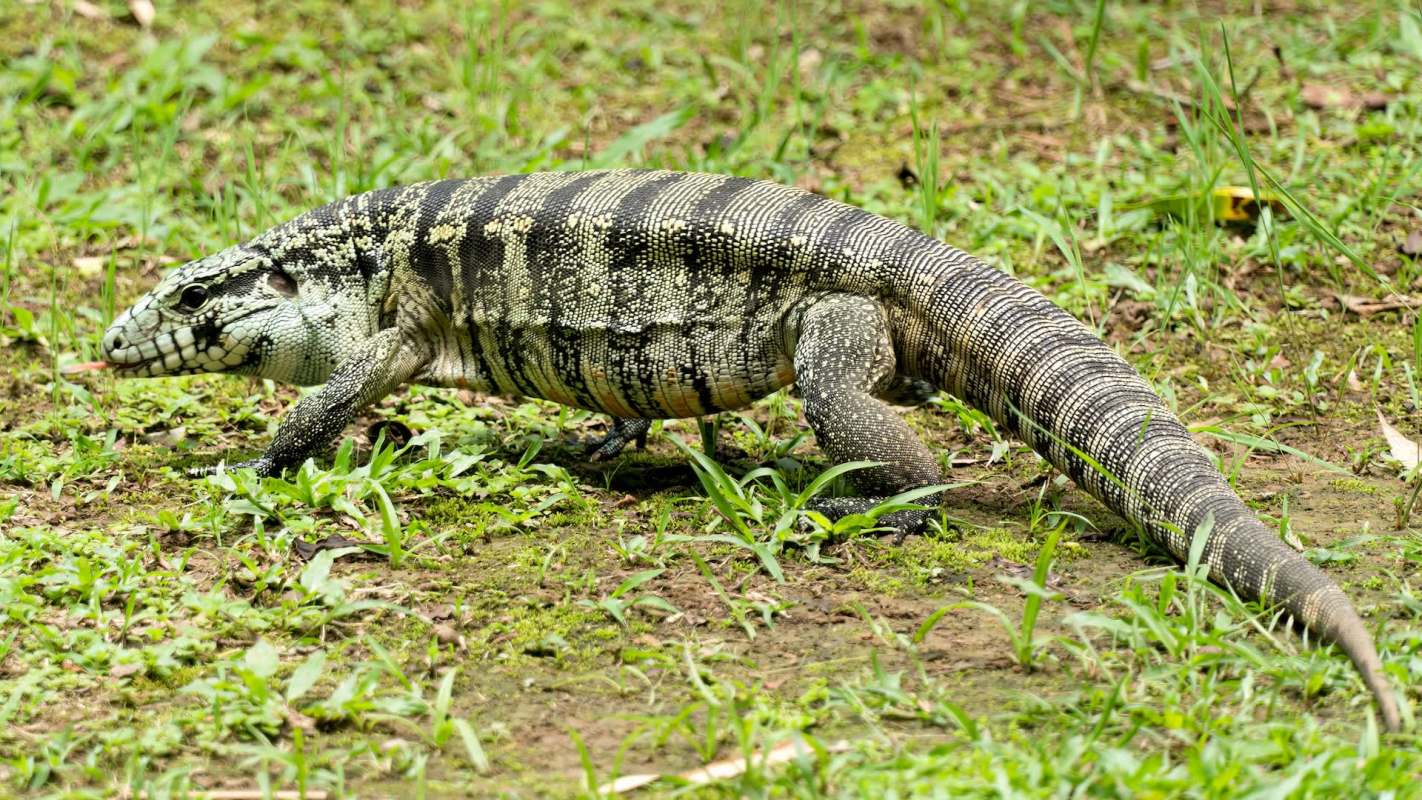
A warning from Georgia wildlife officials follows the state's confirmation that more than 20 invasive tegus are living in the wild in southeast Georgia.
These lizards can grow up to 4 feet long, and they are already putting pressure on native animals that local ecosystems depend on.
What happened?
The Georgia Department of Natural Resources and its partners have documented more than 20 invasive Argentine black and white tegus living in the wild in Toombs and Tattnall counties. Although sightings stretch from Lyons to Reidsville.
Native to South America, the reptiles have drawn concern because of their appetite. Officials say the animals are established enough in the area that the state is now working to assess and eradicate the wild population.
In its alert, the agency warned that the lizards "pose a significant threat to Georgia wildlife" and confirmed they have been found "in the wild" in southeast Georgia.
Why does it matter?
Tegus feed on the eggs of ground-nesting birds, including quail and turkeys, as well as the young of protected animals such as gopher tortoises and American alligators. That means they can directly reduce future generations of native wildlife.
TCD Picks » Quince Spotlight
💡These best-sellers from Quince deliver affordable, sustainable luxury for all




When invasive species disrupt local food webs, it weakens conservation efforts, outdoor recreation, and the health of habitats that communities rely on. It also means more public resources must go toward control and eradication rather than restoration and habitat protection.
The Georgia Department of Natural Resources says tegus also consume backyard eggs, produce, vegetation, pet kibble, carrion, and smaller live animals.
The Georgia Department of Natural Resources says it is "actively working to assess and eradicate this wild population of lizards."
Officials have also stressed that the animals "pose a significant threat to Georgia wildlife," especially vulnerable nesters and protected species.

Get TCD's free newsletters for easy tips, smart advice, and a chance to earn $5,000 toward home upgrades. To see more stories like this one, change your Google preferences here.







