


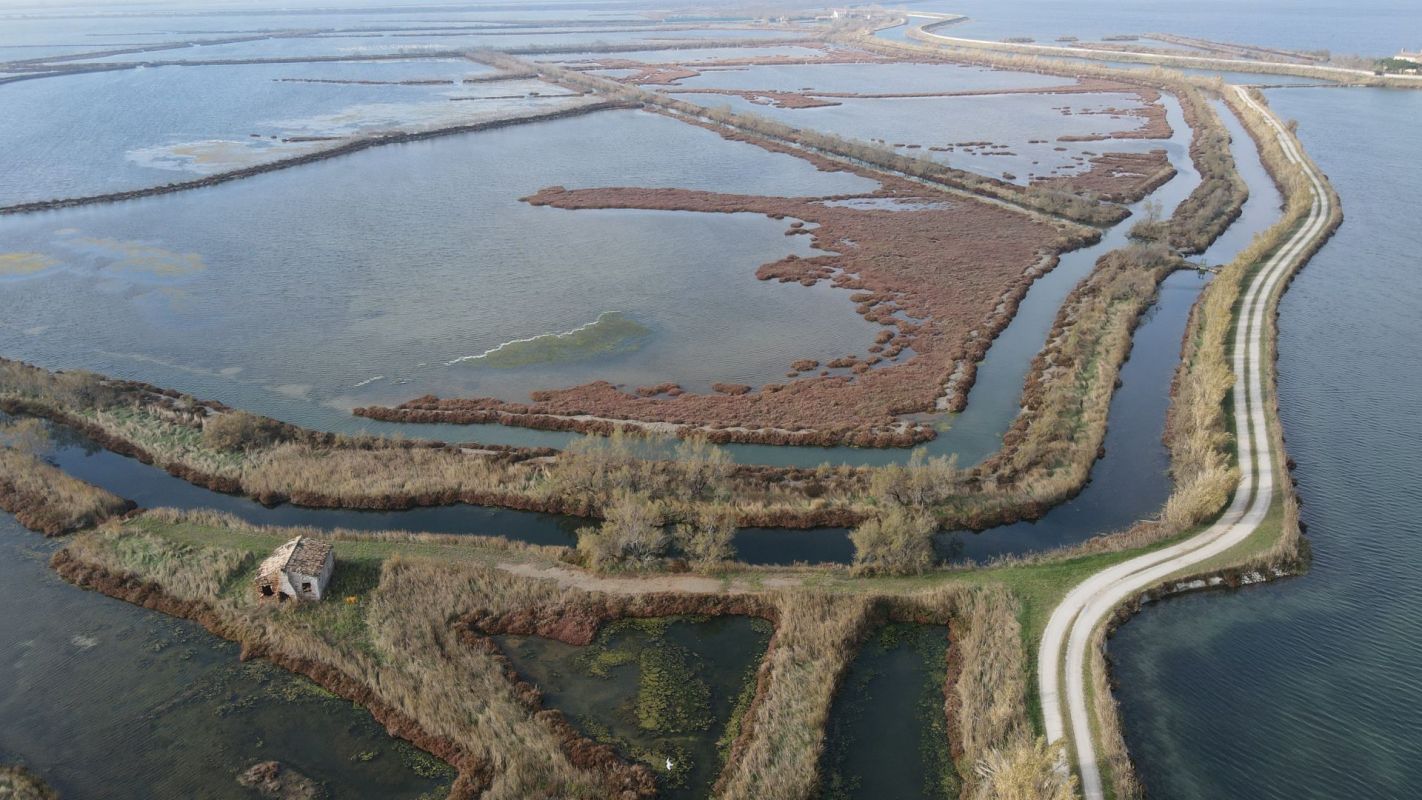
Venice, Italy, is a picture-perfect destination, famous for its beautiful canals and buildings, along with its history and food. Yet beneath the surface of those iconic waterways, invasive species threaten the ecosystem of the lagoon.
What's happening?
Warming seas caused by changes in the global climate are bringing new species to Venice's brackish waters. As Euronews reported, two of the most recent threats are the comb jelly and giant blue crab.
The comb jelly is among the 100 most invasive species in the world and is known to eat its own young. These cannibalistic invertebrates prey on the eggs and larvae of fish and bivalve species that are important to the fishing industry in the Venetian Lagoon.
The giant blue crab is another worrisome invader. The crabs are having a significant impact on local seafood, including clams, mussels, and oysters. Their powerful claws can even tear open fishing nets, making them unstoppable.
Researchers have shown that rising global temperatures have provided the perfect conditions for the spread of the jellies. "This could increase its presence in large aggregations and, consequently, increase the risk of severe repercussions on the functioning of the entire lagoon ecosystem," Valentina Tirelli, a researcher at the National Institute of Oceanography and Applied Geophysics, said, per Euronews.
Tirelli explained that climbing water temperatures have already resulted in an increase in the jellies and a 40% decrease in the catches of the main fish species targeted by the fishers.
TCD Picks » Quince Spotlight
💡These best-sellers from Quince deliver affordable, sustainable luxury for all




Why is this important?
Invasive species are causing big problems around the world, overrunning ecosystems and causing billions of dollars in damages. They can hurt native species, either directly through preying on them or indirectly through outcompeting them for resources such as food and space.
The changing climate is helping invasive species to spread, as higher temperatures open up new environments to invade, which can impact food supplies and spread diseases.
What's being done to stop invasive species?
Several organizations are working to remove invasive species from environments. For example, the government has spent millions of dollars in Florida to remove Burmese pythons from the Everglades. In Maryland, a museum put catfish on the menu in an effort to convince local people to eat them to help remove them from local waters.
Removing invasive species is the best way to protect native animals and plants. This helps ensure ecosystems function properly and continue to provide the important services on which people rely.

Get TCD's free newsletters for easy tips, smart advice, and a chance to earn $5,000 toward home upgrades. To see more stories like this one, change your Google preferences here.







