


An expert has raised concerns after more confirmed sightings of an invasive lizard species in Florida.
What's happening?
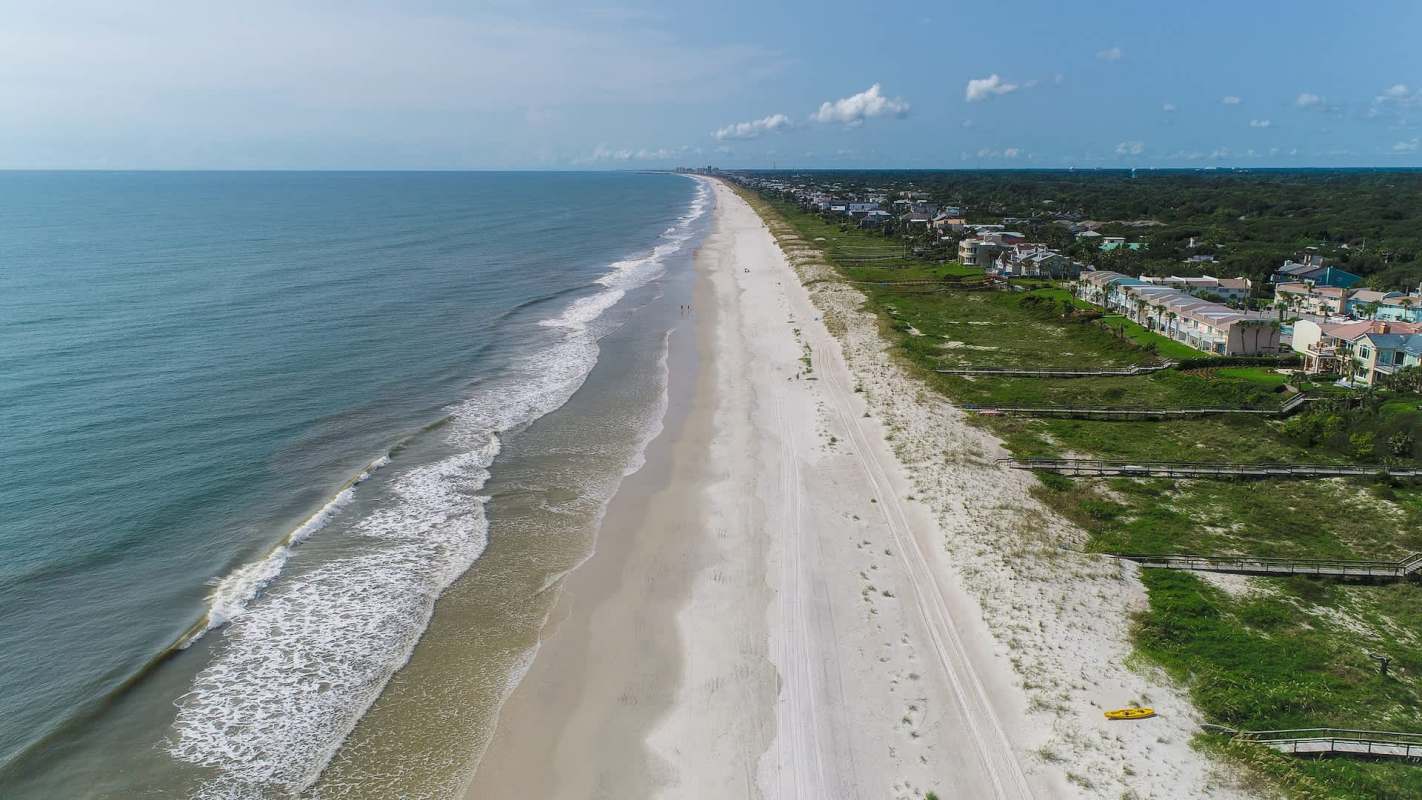
There have been 27 sightings of the Peter's rock agama lizard in Duval County, according to First Coast News.
The Florida Fish and Wildlife Conservation Commission noted that it is an invasive species native to Africa, and it first appeared in South Florida about 50 years ago.

First Coast News reported that there have been more than 2,000 confirmed sightings in Miami-Dade County. But now, the species is spreading in Duval.
"A lot of non-native species get around through rafting," Eric Suarez, a leader in invasive species research at the University of Florida, told First Coast News. "It's hitchhiking on vehicles. They'll just go wherever you take them, basically."
Suarez said the increasing presence of agamas in the Sunshine State could affect native species populations and, if they outcompete the brown anole lizard, lead to the spread of mosquito-borne diseases.
TCD Picks » Quince Spotlight
💡These best-sellers from Quince deliver affordable, sustainable luxury for all




"Brown anoles, unlike other hosts, like birds, for example, are kind of a stop host for mosquito-borne disease like West Nile virus," said Suarez.
"So, if you don't have anoles available to mosquitoes because agamas are suppressing the population somehow, then those mosquitoes are going to be biting other species like birds, passing on that West Nile virus to other mosquitoes that don't have it."
Why are invasive species concerning?
The National Wildlife Federation referred to invasive species as "one of the biggest threats to wildlife and their habitats in the United States."
The non-native plants and animals invade ecosystems, destroy habitats, and reduce biodiversity. About 42% of threatened or endangered species are at risk due to invasives.
|
Should the government be allowed to ban certain plants? Click your choice to see results and speak your mind. |
 Definitely 👍
 Most times, invasive species are spread by human activities, such as travel and trade. In addition to transmitting diseases or facilitating virus spread, non-native species often outcompete native species for vital resources, leading to population decline or local extinction.
There's also the economic impact. Research cited by the World Economic Forum found that invasive species cost the world $423 billion per year — and that number could increase.
The Invasive Species Center observed that a warming planet is exacerbating the threat of invasive species.
What's being done about invasive species?
The U.S. Fish and Wildlife Service uses eco-friendly approaches to prevent and eradicate invasives. However, the World Economic Forum noted that the species are difficult to destroy, and that border biosecurity and import controls are prevention measures that work.
Meanwhile, homeowners can help prevent the spread of invasive plant species by rewilding their yards. Native plants will crowd out invasive flora for resources, making it less likely they can take hold.
They also attract pollinators, which helps protect the human food supply. Since they require less water and chemical fertilizers, native plants help homeowners keep more money in their pockets.

Join our free newsletter for good news and useful tips, and don't miss this cool list of easy ways to help yourself while helping the planet.







