


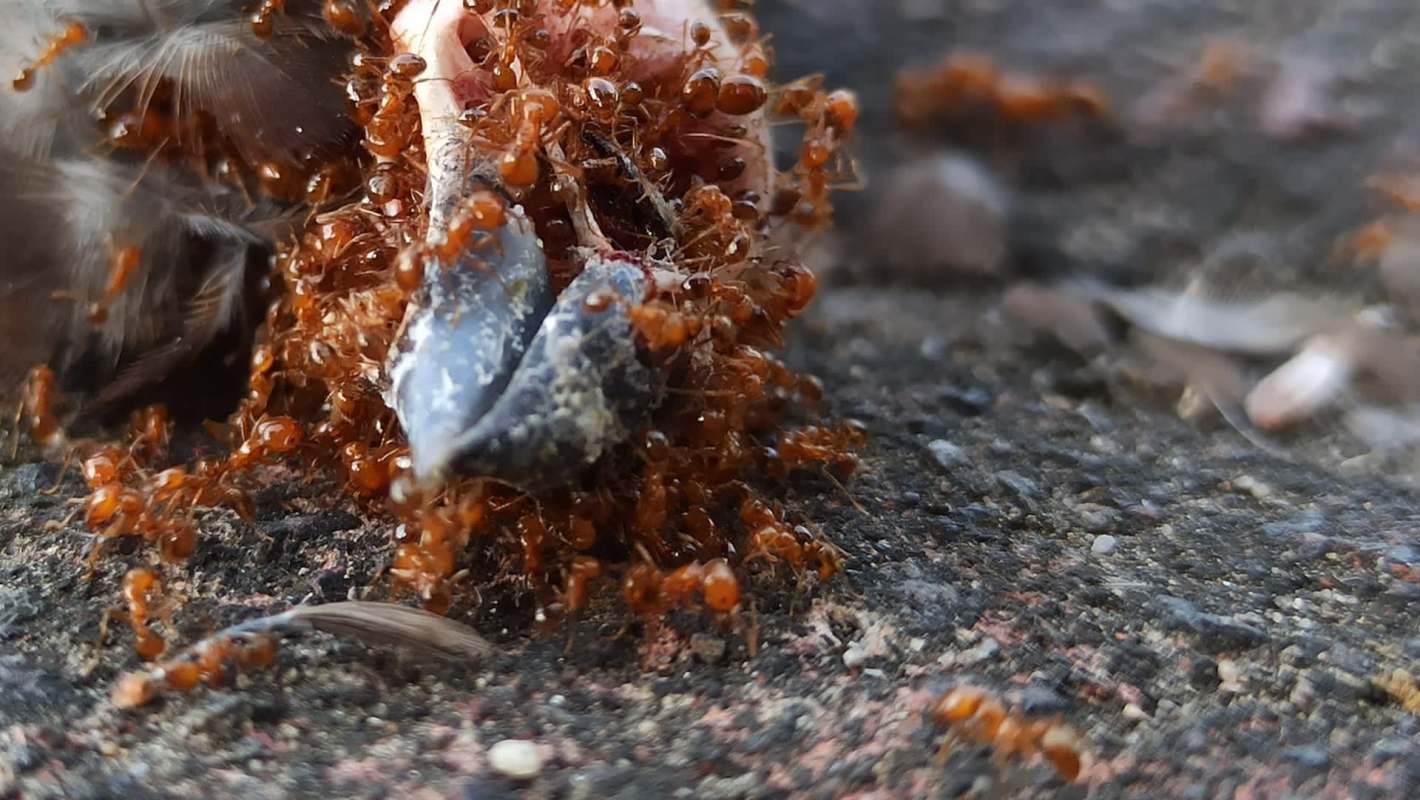
Scientists have introduced the first formal system for measuring the suffering caused by invasive species, giving conservationists a new way to track harm inflicted on individual animals — not just the population declines that typically receive the most attention.
What's happening?
In a study published in Nature Communications, researchers led by Dr. Thomas Evans of Freie Universität Berlin and University of Bristol professor Michael Mendl unveiled AWICIS — the Animal Welfare Impact Classification for Invasion Science, as described by Earth.com.
The framework is designed to measure how invasive species affect animals' physical and mental well-being.
In practice, researchers can classify harm using evidence such as wounds, abnormal behavior, or physiological indicators, such as elevated stress hormones.
The findings were especially alarming for invasive ants. Nearly all documented ant-related welfare impacts, about 92%, fell into the most severe categories in the researchers' system.
Fire ants and yellow crazy ants stood out in particular.
TCD Picks » Quince Spotlight
💡These best-sellers from Quince deliver affordable, sustainable luxury for all




The study documented harm across a wide range of animals, including turtles, lizards, bats, crabs, seabirds, cats, and dogs.
On Christmas Island, native red crabs were reported to be blind and badly injured after encounters with yellow crazy ants.
In Hawaiian seabird colonies, wedge-tailed shearwaters were observed with missing toes, deformed bills, and eyes partly covered by overgrown skin.
Researchers also documented a fledgling bull-headed shrike on Japan's Minami-Daito Island that developed serious eye inflammation after a yellow crazy ant attack and later died.
By comparison, introduced birds generally caused milder welfare impacts, with only about 9% falling into the more serious categories. One major exception involved islands where introduced raptors preyed on seabirds that had not evolved defenses against aerial predators.
One of the study's clearest conclusions was that conservation science has overlooked suffering itself.
Traditional biodiversity assessments tend to focus on population numbers, shrinking habitats, and extinction risk. They rarely capture what an individual animal experiences during a prolonged death caused by repeated stings, starvation, infection, or relentless harassment.
Why is this important?
Conservation decisions shape ecosystems that people rely on for food, tourism, recreation, and cultural identity.
An invasive species may not immediately drive another species to extinction, but it can still destabilize ecosystems, disrupt food webs, and inflict widespread suffering.
The study also highlights how prolonged some of these deaths can be. Invasive ants may kill vertebrates only after swarming them with hundreds or thousands of stings over several hours, potentially causing more sustained suffering than many natural predator-prey interactions.
Researchers also identified a major data gap. Physiological evidence appeared in only about 2% of ant-related welfare cases in the dataset, suggesting much hidden distress may still go undetected.
The broader global picture may also be incomplete because biodiversity research is heavily concentrated in wealthier regions such as North America, Europe, and Australia, leaving many lower-income regions underrepresented.
What's being done about invasive species?
By giving scientists a shared framework for directly measuring animal suffering, AWICIS may help conservationists and policymakers identify serious welfare impacts earlier — before ecosystems reach a crisis point or species face extinction.
The findings also strengthen the case for earlier action against invasive species through stronger biosecurity, better monitoring, and faster intervention to prevent ecological damage from spreading further.

Get TCD's free newsletters for easy tips, smart advice, and a chance to earn $5,000 toward home upgrades. To see more stories like this one, change your Google preferences here.







