


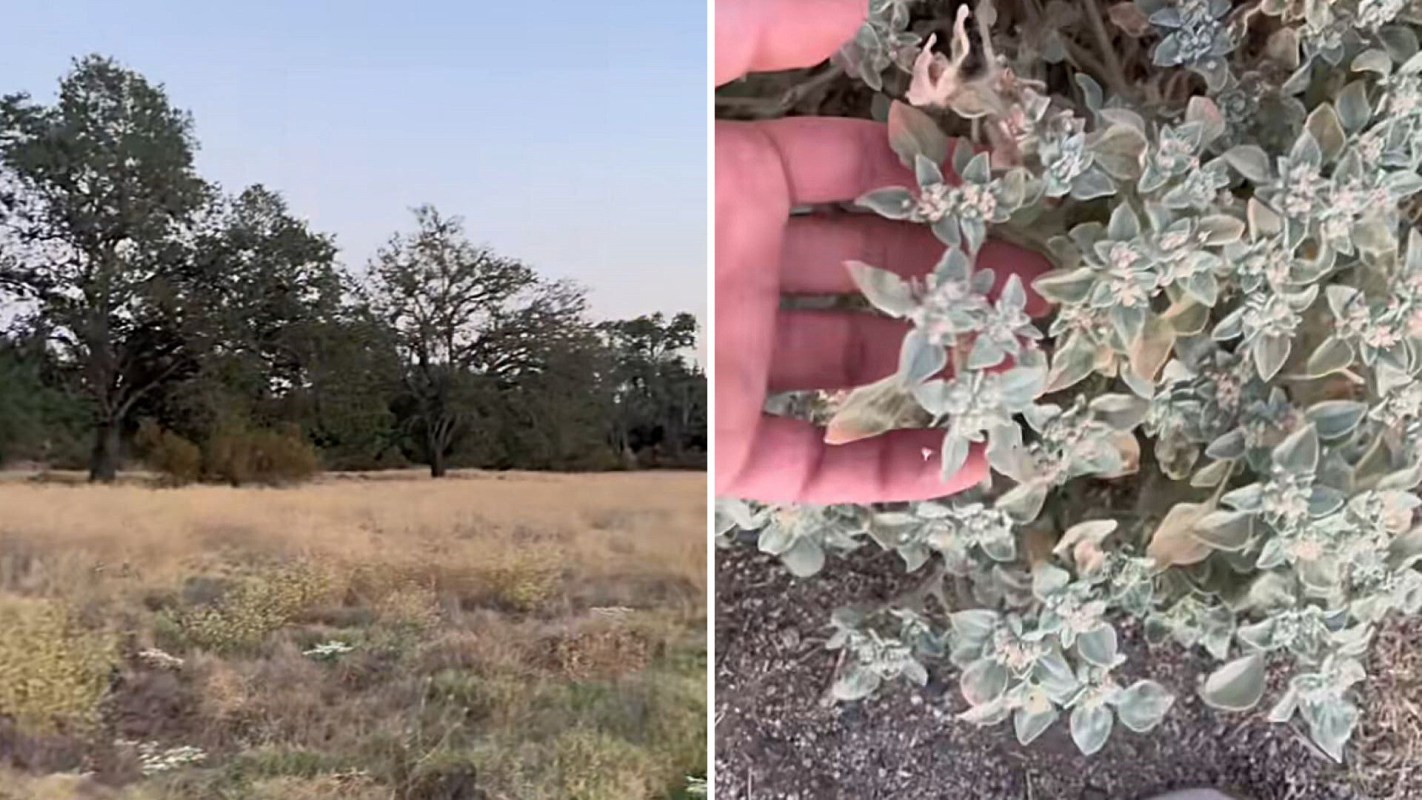
In the middle of a quiet field in Sacramento, California, something is deeply wrong. And it's not the heat, or the haze, or even the dead grass. It's the silence of an ecosystem out of balance.
A TikTok from Jessie Dickson (@sacramentofoodforest), a botanist and native plant advocate, captures the eerie stillness of a landscape overrun by invasive plants. At first glance, the scene looks peaceful — sun-bleached hills, dry grasses swaying in the breeze — but look closer and it's a botanical red flag. The ground is carpeted with yellow star thistle, "one of the worst ecological and economic disasters in California's history," as Dickson puts it.
@sacramentofoodforest #toxic #invasivespecies #plants This invasive plant is toxic to horses and has taken over 15 million acres of land in California and datura is a really cool plant #invasive #plant #california #outdoors #sacramento #sanjose #river #botany #norcal #conservation #planttips #hike #foraging #nativeplanttok #learnontiktok #native #wildlife #leavenotrace #wildfire #guerrillagardening #toxicplants #plantmedicine #adventure ♬ Blade Runner 2049 - Synthwave Goose
Once introduced as a forage crop, star thistle has exploded across more than 15 million acres in the state. It spreads quickly, crowds out native plants, depletes already scarce water, and creates dry, flammable fuel beds that worsen wildfire risk.
For horse owners, it's even more dangerous. "It's extremely toxic to horses," Dickson warns. "And by the time they show signs of illness, it's too late."
"It was the ban of my existence when I lived in the Sacramento valley with horses," one commenter wrote.
A viewer recalled their own battle: "I had 10 acres of it at my home in No. Cal & spent hundreds of hours a year pulling it out, which worked, but is very hard. Deer eat it too. Bad plant."
Another viewer offered a practical (and surprisingly effective) solution: "OMG it's the worst!! Super hard to remediate a site, if only more people used goats."
Other familiar invaders make appearances in the video, including Bermuda grass, a stubborn species notorious for outcompeting groundcover. A lone turkey mullein, a native plant, stands unfazed amid the thistle, a symbol of stubborn survival in a transformed environment.
Even for homeowners far from wild fields, invasive species are a persistent headache. They're tough to remove, expensive to control, and terrible for local ecosystems. Fortunately, there are smarter, lower-maintenance alternatives: Native plants, clover, buffalo grass, and xeriscaping all require less water and upkeep while helping pollinators — and by extension, our food supply — thrive. Even rewilding part of your lawn can make a difference.
|
Do you worry about having toxic forever chemicals in your home?
Click your choice to see results and speak your mind. |
 Majorly 😥
Join our free newsletter for good news and useful tips, and don't miss this cool list of easy ways to help yourself while helping the planet.
Cool Picks






