


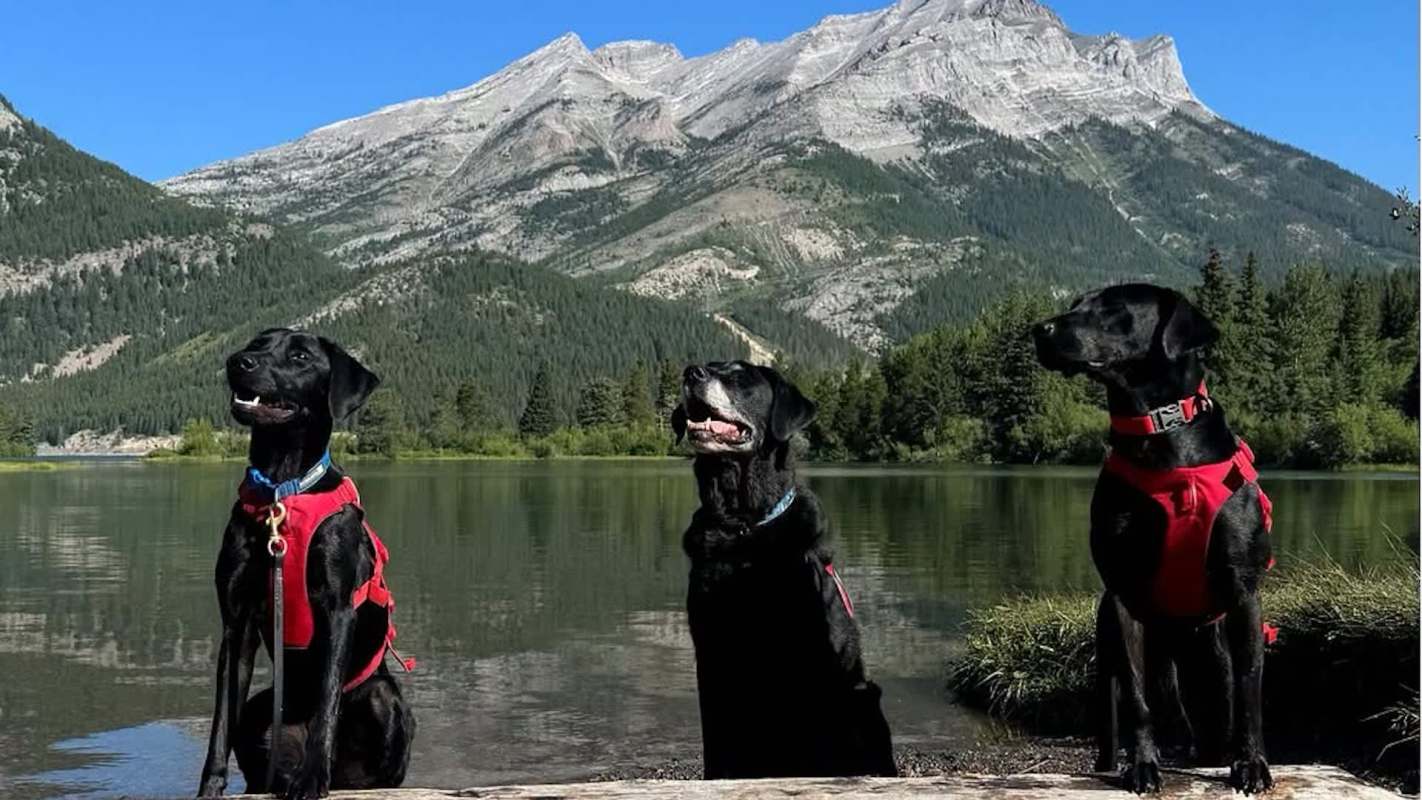
Stopping invasive mussels in Alberta, Canada, does not fall to human inspectors alone. Some of the province's most important environmental protection work is also being done by three working dogs stationed at boat inspection sites.
Those dogs, Hilo, Jane, and Winnie, are trained to detect invasive mussels before the species can reach Alberta's lakes and rivers.
What's happening?
Through Alberta's "Conservation Canines" program, specially trained dogs are used to help block the spread of aquatic invasive species, with a particular focus on zebra mussels and golden mussels in local waterways, GreaterGood reported.
They assist inspection staff by checking boats and equipment moving either into or out of Alberta.
Hilo, Jane, and Winnie, a pair of black Labradors and a black Lab mix, have spent years working at inspection stations, where they search boats for signs of developing mussel larvae.
Those early mussel stages are very difficult for people to find.
TCD Picks » Quince Spotlight
💡These best-sellers from Quince deliver affordable, sustainable luxury for all




A human inspector may notice only a faint sandpaper-like feel on a hull or dock, while the dogs can identify the hidden danger by scent with much greater accuracy.
Alberta law requires all watercraft to stop at inspection stations when entering or leaving the province. Inspectors visually check and clean boats, trailers, and gear, and the dogs provide an added layer of screening that can catch what people might miss.
Why does it matter?
Invasive mussels are far easier to prevent than eliminate.
Once they become established in a lake or river system, they can spread quickly and be incredibly difficult to remove.
That can create problems for ecosystems, recreation, and infrastructure alike.
Mussels can attach to docks, clog pipes and water systems, and disrupt aquatic food webs, creating lasting costs for communities and local wildlife.
Boat travel is one of the main ways these species move from place to place.
A contaminated boat, trailer, or piece of gear can unintentionally carry larvae into a new waterway. Catching that contamination before launch can help protect fishing, boating, and swimming areas that people rely on.
The dogs are helping protect freshwater systems from damage that could persist for years.
What's being done?
Required watercraft inspections create a checkpoint to limit invasive species, and the canine team gives inspectors a more sensitive way to catch potential contamination early.
Cindy Sawchuk, who leads Alberta's aquatic invasive species operations and its Conservation Canine Program, said the dogs strengthen human inspection efforts by giving teams a better sense of what could be hidden on a boat.
With Hilo, Jane, and Winnie at work, Alberta has another safeguard against a tiny threat that can cause outsized harm.

Get TCD's free newsletters for easy tips, smart advice, and a chance to earn $5,000 toward home upgrades. To see more stories like this one, change your Google preferences here.







