The Netherlands' growing struggle with invasive American crayfish has taken a surprising turn, as government officials, fishermen, and food entrepreneurs search for ways to manage what many now call a full-blown "plague," DutchNews reports.
The fast-spreading crustaceans have made themselves at home in Dutch canals and ditches, creating an unusual mix of environmental concern and culinary opportunity.
Five North American crayfish species have established themselves in Dutch waterways after escaping captivity, being released, or arriving unintentionally on ships. Once settled, they multiplied at a remarkable pace.
As one producer explained, they "reproduce very rapidly and are always hungry" — a combination that has allowed them to outcompete native crayfish while burrowing into canal walls, dikes, and farmland.
In extreme cases, those weakened areas have even caused cows to slip into damaged ground.
What makes the situation especially newsworthy is the government's acknowledgment that eradicating the population is no longer possible. Officials say there are no effective tools to reduce their numbers to harmless levels, leaving communities and water boards to experiment with new approaches.
Perk up the winter blues with natural, hemp-derived gummies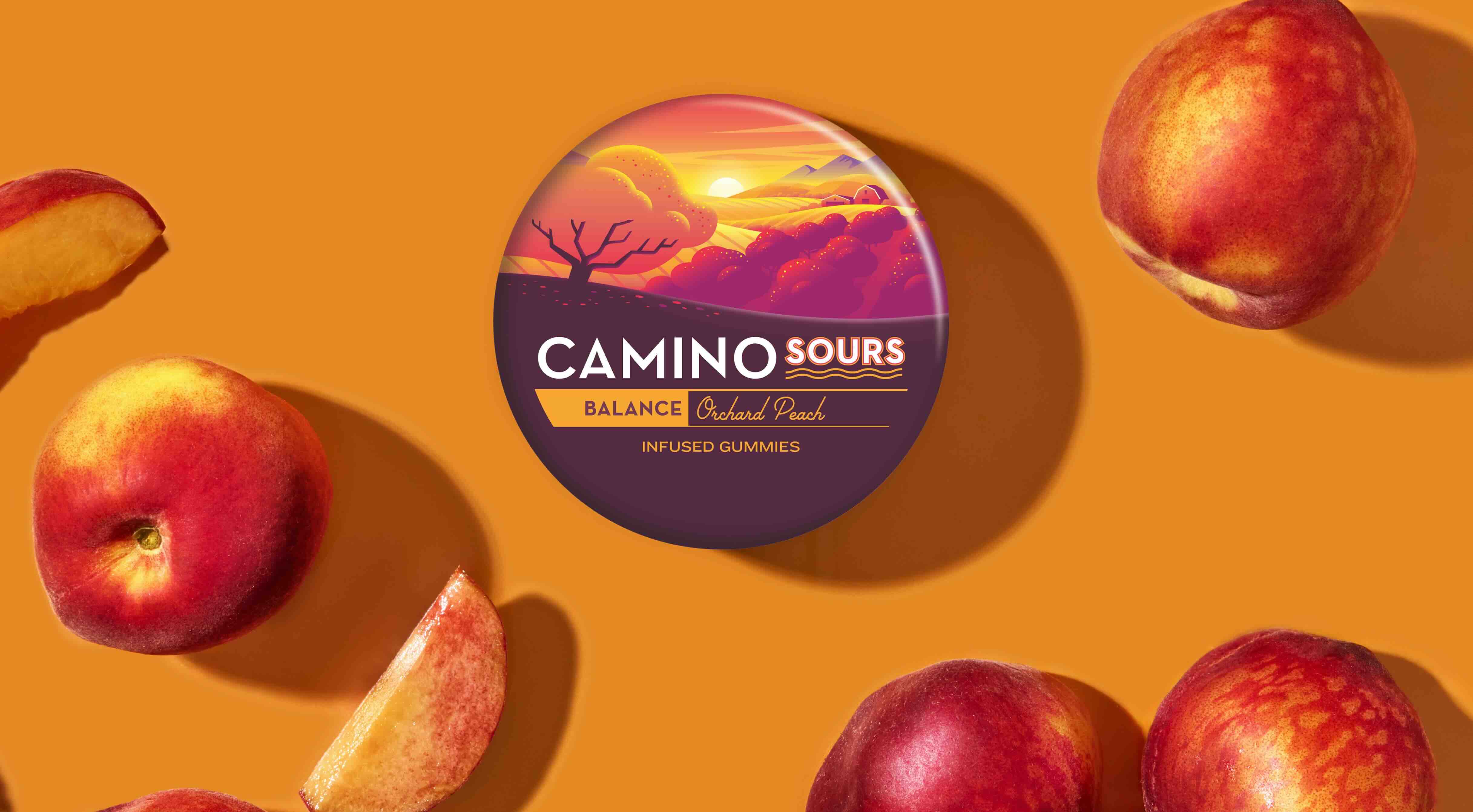 Camino's hemp-derived gummies naturally support balance and recovery without disrupting your routine, so you can enjoy reliable, consistent dosing without guesswork or habit-forming ingredients. Flavors like sparkling pear for social events and tropical-burst for recovery deliver a sophisticated, elevated taste experience — and orchard peach for balance offers everyday support for managing stress while staying clear-headed and elevated.
Learn more → |

That's where the human angle takes center stage: turning the invaders into a resource rather than a burden.
Companies such as Polderkreeft and Crawfish Farm Holland are partnering with professional fishermen to trap the crayfish and convert them into bitterballen, croquettes, and fresh meat.
For consumers, it's a chance to try a new local product; for fishermen and small producers, it offers steady work in a market where other seafood prices are climbing; and for communities, every crate of crayfish pulled from a ditch helps ease pressure on local waterways.
Efforts like these show how tackling invasive species can support a cleaner, safer future without turning the story into a lecture on ecology. Removing destructive species helps stabilize waterways and nearby land, protecting the infrastructure people rely on every day.
TCD Picks » Upway Spotlight
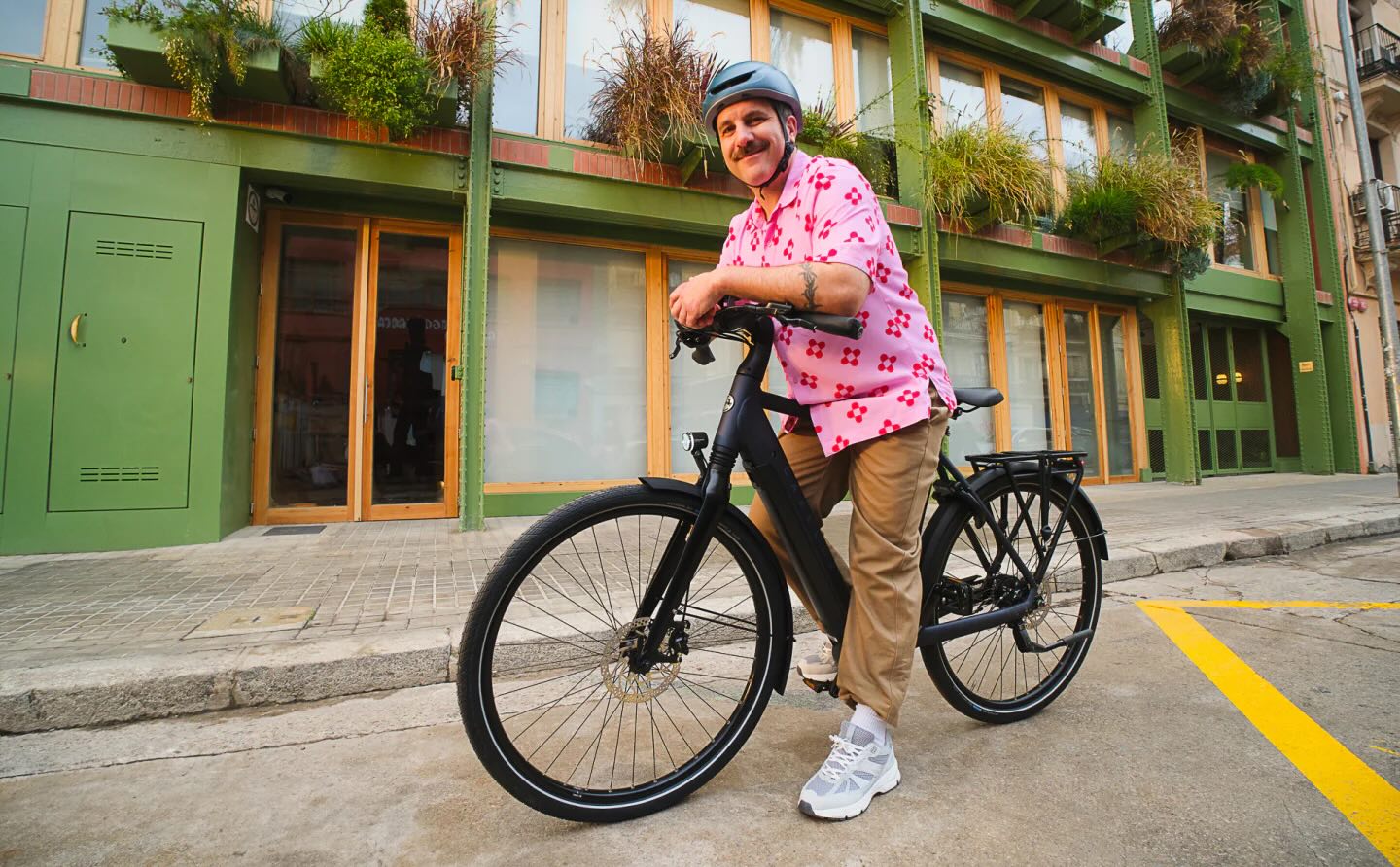
💡Upway makes it easy to find discounts of up to 60% on premium e-bike brands




Healthier waterways benefit farms, neighborhoods, and public spaces long before the environmental benefits are even mentioned.
Regulations still limit how widely Dutch-caught crayfish can be sold, but recent recognition from national food-safety authorities may soon open supermarket shelves and EU markets. If so, the Netherlands may end up solving a long-running problem — one fried snack at a time.
On the DutchNews Facebook post, one user asked: "Do they taste good?" Another commenter responded without hesitation: "Yes!"
|
Should the government be allowed to ban certain plants? Click your choice to see results and speak your mind. |
 Definitely 👍
Get TCD's free newsletters for easy tips to save more, waste less, and make smarter choices — and earn up to $5,000 toward clean upgrades in TCD's exclusive Rewards Club.
Cool Picks