


Small particle pollution is curbing insect libido as part of a complex signal mix-up happening in the air, National Geographic reported.
Worse yet, that waning bug love is accompanied by confused pollinating, threatening a function that's critical to the food supply.
What's happening?
Air pollution is a widely reported side effect of our energy and fuel usage that is linked to human ailments at every stage of life, as the American Lung Association revealed.
The fumes released from continuously burning oil, gas, and coal include harmful substances such as nitrogen oxides and ozone, according to the International Council on Clean Transportation.
Experts are finding that insects are being impacted even by pollutant levels considered safe for humans.
"The more we find out, the more we see that there's really big potential impacts on these ecological communities," said Jeffrey Riffell, a sensory ecologist at the University of Washington, per Nat Geo.
Why is bug love important?
This is more evidence about how air pollution and particulate matter can confuse signals between insects, as well as between the bugs and flowering plants. The pollution degrades chemical compounds that form their communication system, which has evolved over millions of years, according to Nat Geo.
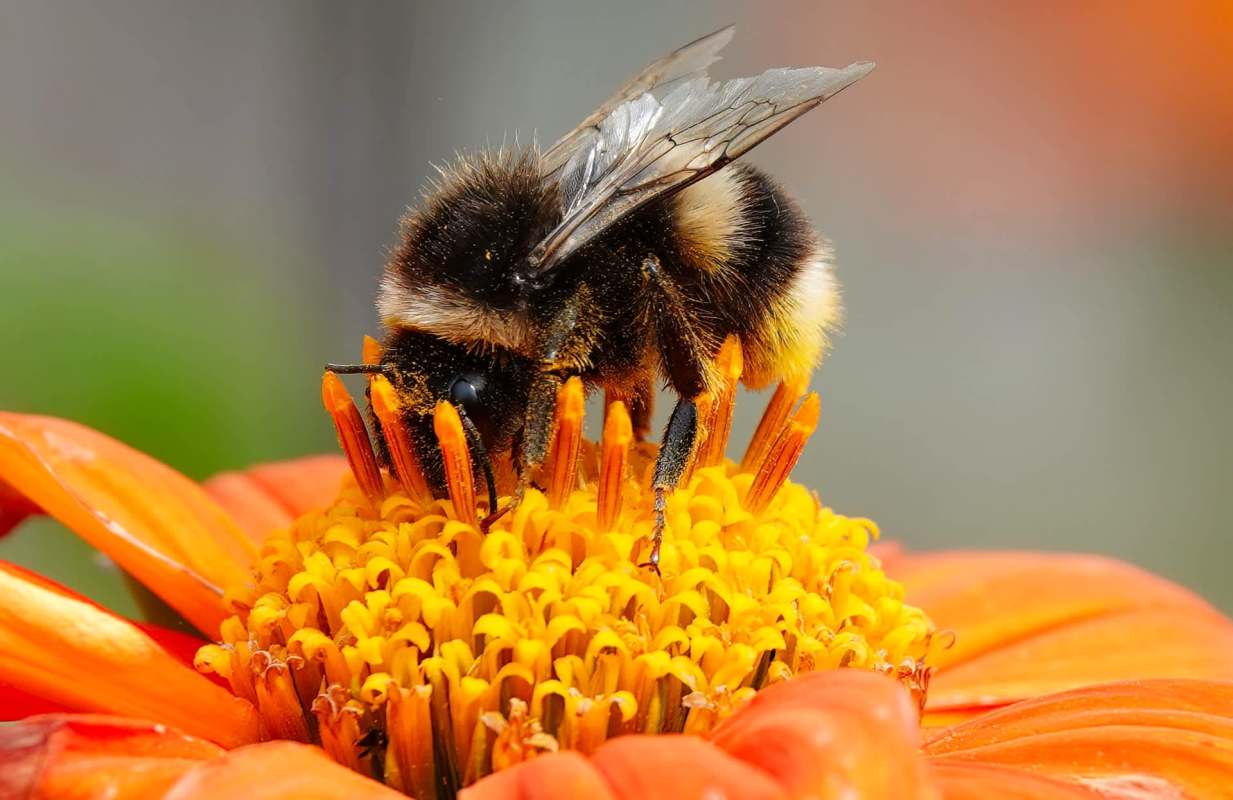
For example, high ozone in the air causes physiological problems, altering bumblebees' learning capability. This happens when microscopic pollutants confuse antennae by limiting crucial communications channels.
In ant colonies, air pollution can alter the smell of some of the community members, causing others to violently turn on them, Nat Geo reported. This behavior was observed in four out of five species during tests that included some ants being exposed to ozone for observation.
Disrupted reproductive ability is perhaps the most cataclysmic repercussion. Air pollutants can make it hard for insects to identify sex pheromones and find mates.
TCD Picks » Quince Spotlight
💡These best-sellers from Quince deliver affordable, sustainable luxury for all




|
Which of these savings plans for rooftop solar panels would be most appealing for you?
Click your choice to see results and earn rewards to spend on home upgrades. |
 Save $1,000 this year 💸
 "It has these all sorts of downstream impacts that are not only impacting their ability to perceive the world, but also can be affecting their physiology as well," Riffell said.
About 35% of the food supply is reliant on pollinators, the United States Department of Agriculture reported. It's a statistic that spotlights the chain-like relationships between Earth's species, from insect to human.
"I think what we need to do now is start to be able to forecast how these pollutants are potentially shaping our ability to have food in the grocery store," Riffell said, per Nat Geo.
What's being done to help?
Some bugs, such as aphids, capitalize on pollution-burdened plants with lowered defenses. These insects increase with pollution, Nat Geo reported. But for many others, air pollution adds to a list of problems impacting their populations, which also includes pesticides.
Learning more about how human activity impacts crucial insects and pollinators can help you make responsible decisions at home, at the store, and when you vote.
Rewilding your yard with native, pollinator-supporting plants is a cheaper way to landscape that uses less water and provides habitat for bees and other species. Controlling unwanted pests with pesticide-free solutions prevents harmful substances from hurting other bugs such as honeybees.

Get TCD's free newsletters for easy tips to save more, waste less, and make smarter choices — and earn up to $5,000 toward clean upgrades in TCD's exclusive Rewards Club.
Cool Picks




