


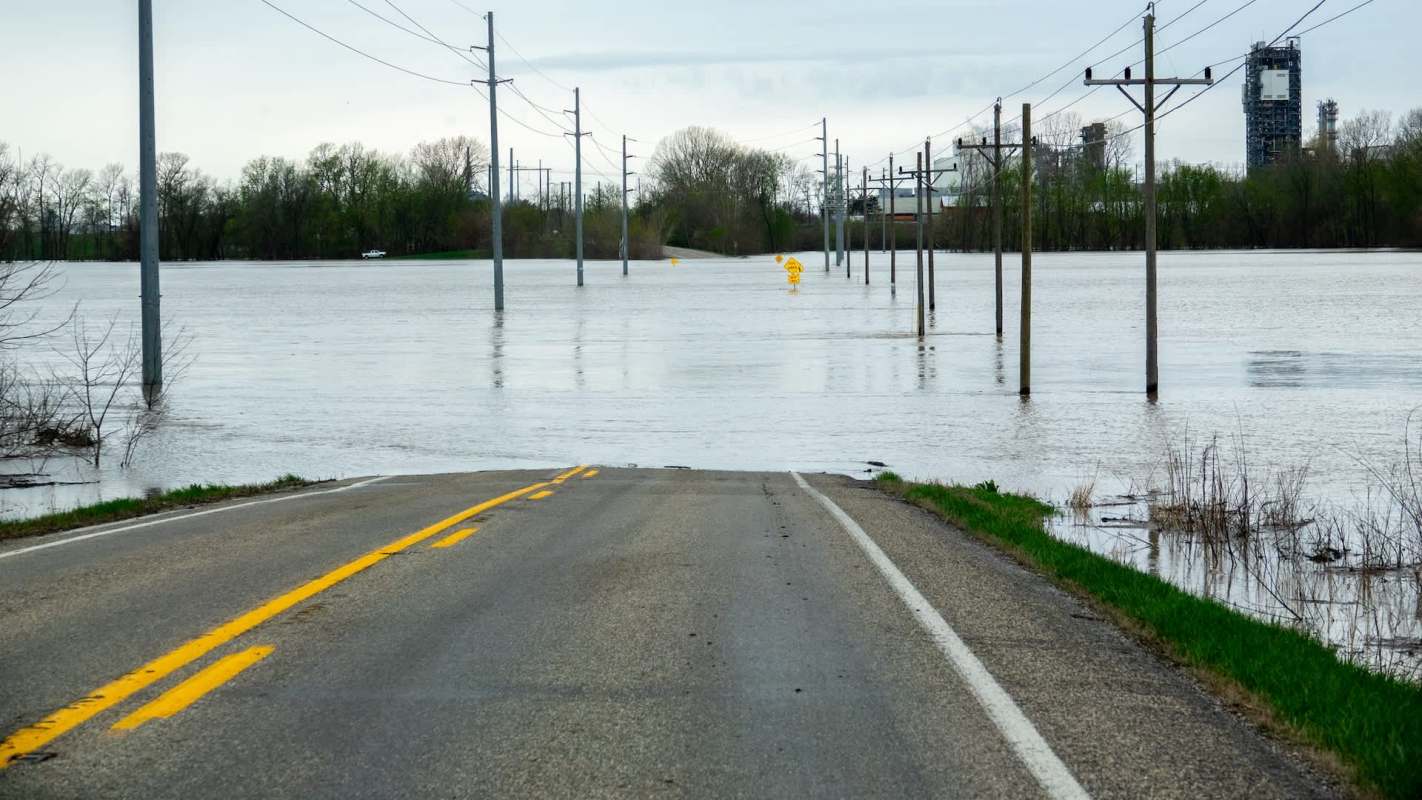
Historic flooding in New Castle, Indiana, forced residents to seek temporary shelter on Aug. 12, and images have emerged of the destruction.
"It's never been this way, that I can remember," said Nancy Sexton, whose house was surrounded by floodwaters, according to USA Today.
What happened?
Photojournalist Christine Tannous (@chris.tene) of the Indianapolis Star documented the floodwater around homes in New Castle and the emergency efforts to assist people affected by the flash flooding.
The photos, published by USA Today, show submerged vehicles, animal rescues, residents wading and kayaking through floodwaters, evacuations, and people settling into temporary shelters. They also highlight how destructive and dangerous flash flooding can be. In one flood-ruined building, furniture is jumbled together in a broken pile.
Why does it matter?
Roads that wash out or disappear under floodwater can isolate neighborhoods and delay emergency response, while flooding can also leave behind extensive household damage.
Water entering a home can destroy flooring, furniture, appliances, and personal documents, while cleanup can pose additional risks, such as mold and contaminated water. For families already living paycheck to paycheck, this can create severe economic strain.
TCD Picks » Quince Spotlight
💡These best-sellers from Quince deliver affordable, sustainable luxury for all




Worsening extreme weather disasters also strain multiple systems at once. Heavy rain can overwhelm stormwater infrastructure, threaten public health, undermine community safety by making travel hazardous, and destabilize local economies.
What's being done?
The Henry Township Trustee and Community Center served as a temporary refuge for people affected by the flooding, giving residents a place to stay until they could safely return home or make other arrangements, USA Today reported. Officials like Henry Township trustee Travis Lyall also stepped in to help families recover essential belongings.
If you live in a flood-prone area, you can prepare by signing up for local weather and emergency alerts and keeping critical items such as prescriptions, chargers, identification, and insurance documents in a waterproof, easy-to-grab bag.
During a flood, avoid driving through water-covered roads. After floodwaters recede, watch for electrical hazards and hidden water damage before reentering a home.

Get TCD's free newsletters for easy tips, smart advice, and a chance to earn $5,000 toward home upgrades. To see more stories like this one, change your Google preferences here.







