


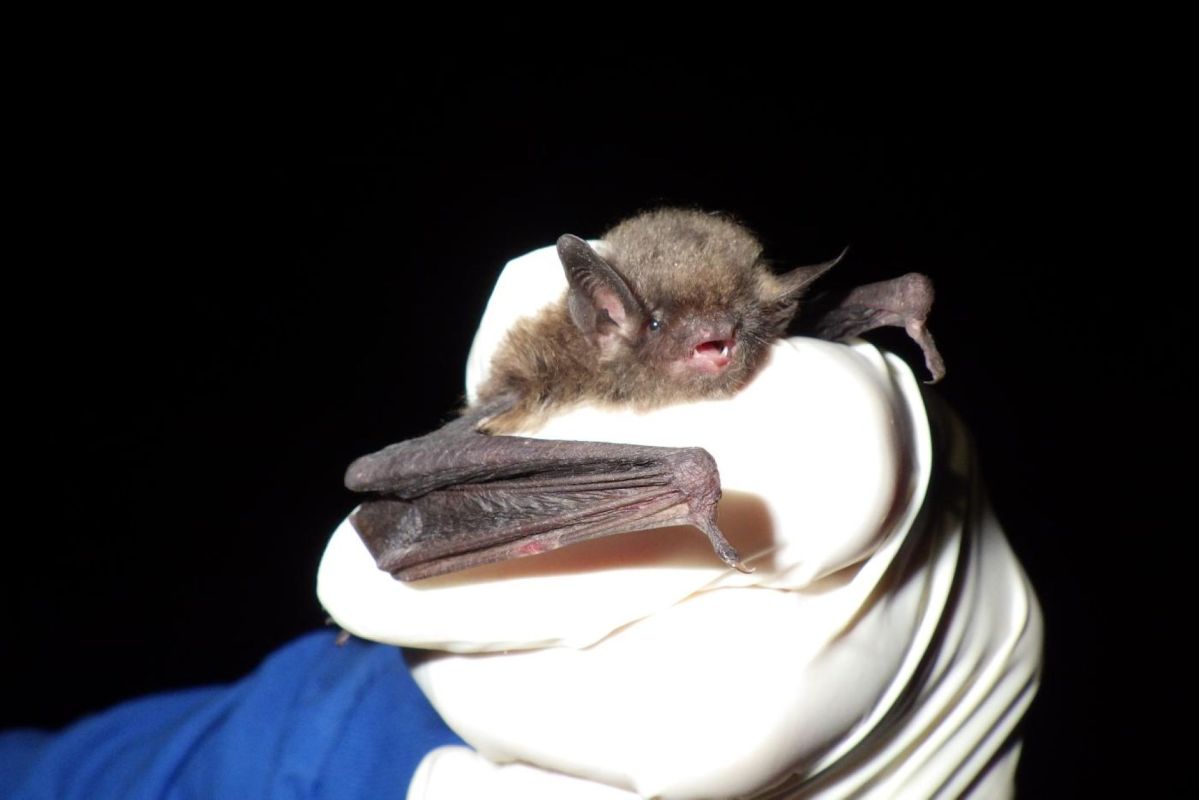
The endangered Indiana bat, a species long scarce in North Carolina, may be making a small but meaningful return in the western part of the state.
As Blue Ridge Public Radio reported, researchers documented 24 Indiana bats at a single maternity roost in Western North Carolina, the first significant sighting and capture of the species there in over a decade.
What happened?
In Graham County, North Carolina Wildlife Resources Commission researchers located the bats in the Joyce Kilmer-Slickrock Wilderness, where they were roosting in a dead hemlock, the outlet said.
That tree was being used as a nursery roost where females give birth and raise their pups.
The discovery is notable because white-nose syndrome, a fungal disease that has decimated bat populations across North America, had brought Indiana bats in North Carolina close to extinction, according to BPR.
Even before white-nose syndrome reached the region, the species was already not common there, said Gabrielle Graeter, the western wildlife diversity supervisor for the NCWRC Wildlife Diversity Program.
TCD Picks » Quince Spotlight
💡These best-sellers from Quince deliver affordable, sustainable luxury for all




"Before white-nose syndrome arrived, we didn't find a lot of them, but it was not uncommon to find one or two or a few here or there," Graeter told BPR.
Researchers detected and captured the bats through intensive monitoring that included mist nets, winter cave counts, and acoustic tools that identify bat calls too high-pitched for humans to hear, the outlet said.
Why does it matter?
For North Carolina, the find points to a possible path forward for a bat species that had nearly vanished from the state.
The National Park Service says white-nose syndrome has reduced populations of three bat species in affected caves by about 90% because hibernating bats wake too soon and use up the energy they need to survive winter.
Bats play an important role in keeping insect populations in check, supporting healthy forests, farms, and outdoor spaces that people rely on.
Graeter told BPR that climate-related pressures, including flooding and extreme heat, have added to the strain for bats in the region. Hurricane Helene knocked down trees used for roosting, while temperature swings have affected the insects the bats depend on for food.
What's being done?
State researchers are continuing the close monitoring that made the discovery possible. Mist-netting, cave counts, and acoustic surveys help scientists track where bats are surviving and whether they are reproducing.
Virginia Tech bat researcher Jesse de la Cruz told BPR that Indiana bats depend on networks of dead trees and move from one cluster to another.
"They kind of form nomadic colonies whereby they find that next clump of dead trees," de la Cruz said.
Indiana bats also depend on disease monitoring. Graeter said researchers still do not fully understand why some bats have survived while others have not.
"The ones that survived may be more able to withstand white-nose syndrome in some regard, and we don't really have answers to that yet on why," she said.The endangered Indiana bat, a species long scarce in North Carolina, may be making a small but meaningful return in the western part of the state.

Get TCD's free newsletters for easy tips, smart advice, and a chance to earn $5,000 toward home upgrades. To see more stories like this one, change your Google preferences here.







