


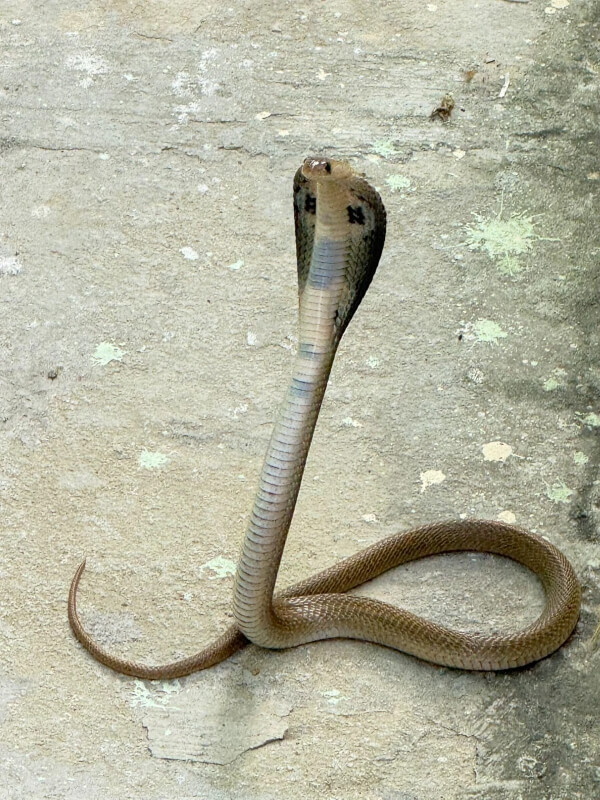
A recent image of an Indian cobra found inside a residence in Telangana, India, captured a deeply unsettling wildlife encounter.
The person who took the photo shared it on Reddit and said the highly venomous snake was found inside their grandparents' home.
In the photo, the brown cobra stands tall with its hood splayed out.
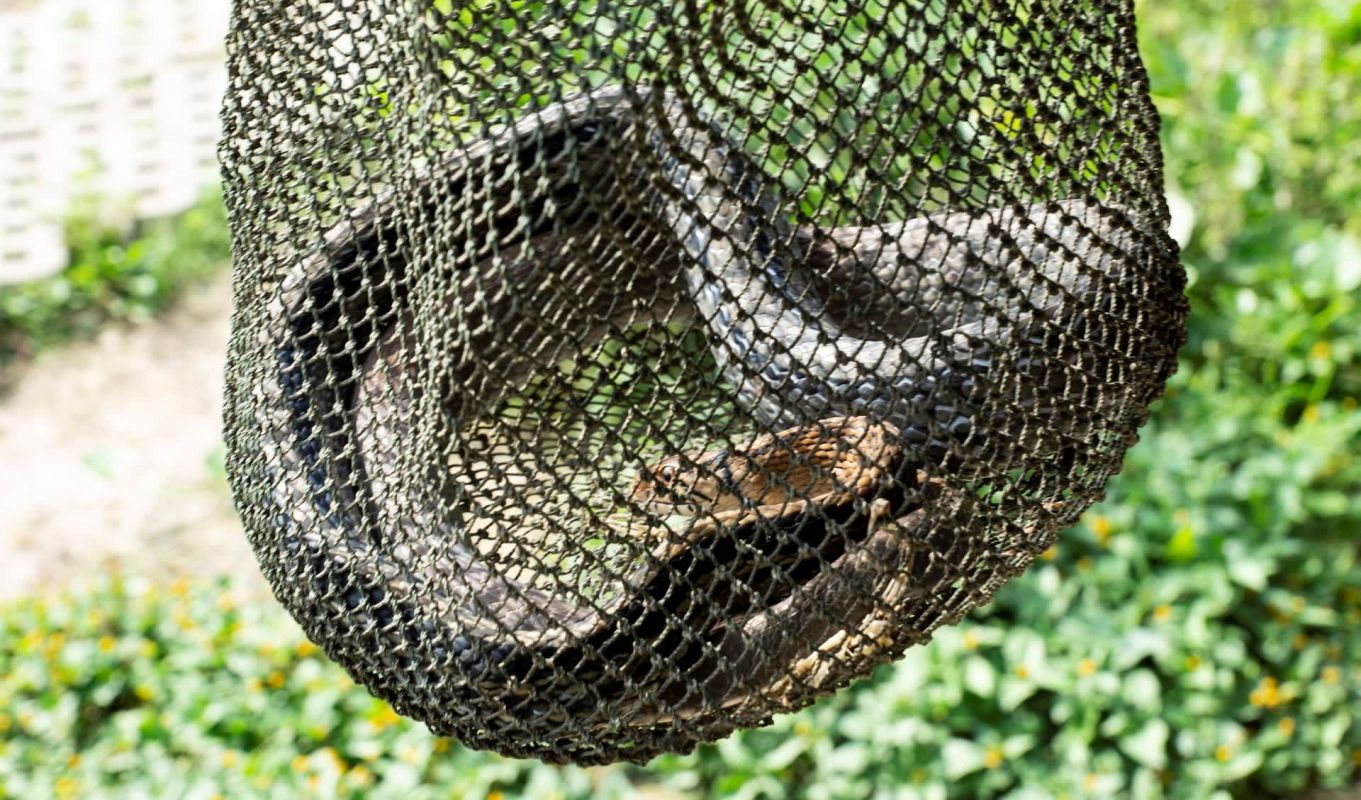
According to the post, the family contacted a snake removal service, and someone from the service safely bagged the cobra for relocation instead of killing it.
"Imagine just being alive where one of these can just appear! WOAH! I got the shivers," one commenter wrote.
Others commented on how the snake looks like it's posing for the camera. "Cobra doesn't need no catwalk. Cobra poses anywhere," one person said.
TCD Picks » Quince Spotlight
💡These best-sellers from Quince deliver affordable, sustainable luxury for all




Another individual remarked about the removal of the venomous snake, "Glad to know it was removed safely!"
The frightening discovery ended safely after the snake was relocated, but the incident points to a broader issue. As development expands, weather patterns shift, and wildlife habitat shrinks, animals and people are increasingly being pushed into the same spaces.
Indian cobras are among the world's most recognizable venomous snakes. Known for their hood display and lethal venom, they can make any encounter especially alarming.
While the outcome was calm, it was still a close call.
Encounters like this are a reminder that wildlife sightings near homes are not always isolated incidents.
Snakes often enter human spaces because those places provide what they need, including hiding spots, prey such as rodents, cooler shelter, or refuge from disturbed habitat.
Construction, land-use change, and habitat fragmentation can all raise the chances of these encounters, because the snakes no longer have their original habitats intact.
Rising temperatures and changing rainfall patterns may add further pressure by disrupting prey availability and forcing animals to seek safety closer to people.
That creates risk on both sides. Families can be injured or traumatized, while snakes are often killed out of fear when a trained rescuer is unavailable. That loss matters because cobras and other snakes play an important ecological role by helping control rodent populations that can damage crops and spread disease.

Get TCD's free newsletters for easy tips, smart advice, and a chance to earn $5,000 toward home upgrades. To see more stories like this one, change your Google preferences here.







