


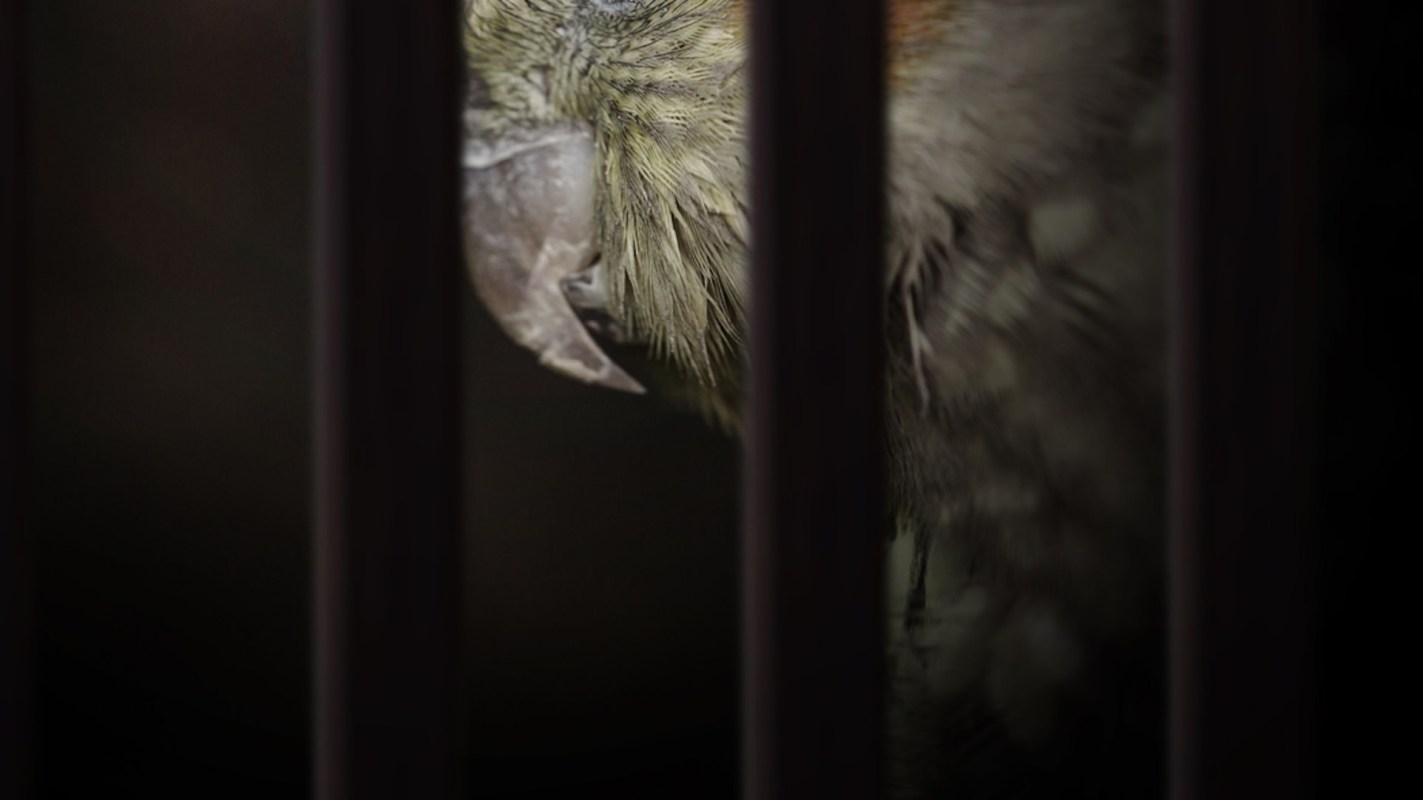
A new study has identified a set of factors that could help predict whether a particular bird species is at risk of wildlife trafficking.
What's happening?
New research published in the journal Biological Conservation has identified a handful of factors influencing the likelihood that an avian species could be traded illegally. The most impactful of these appears to be what the co-authors called "aesthetic value."
The researchers found that bird species were traded more often if they were either much larger or much smaller than house pets, if they had specific characteristics or talents — such as the ability to talk or sing well — or if their feathers were bright and colorful.
"Our findings highlight a troubling pattern: People's preference for visual beauty may unintentionally increase conservation risks for certain species," said Anna Haukka, the study's lead author and a researcher at the University of Helsinki, in a university release.
"Parrots, colorful songbirds, and birds of prey that are often considered especially beautiful, are disproportionately represented in trade, sometimes at unsustainable levels."
Haukka also noted that larger birds were more likely to be exploited internationally, while smaller species were often traded locally.
Why is the illegal wildlife trade concerning?
Illegal animal trading targets not only beautiful songbirds but all manner of vulnerable and endangered species, including tigers, lions, and rhinos.
Transporting animals from their natural habitats to new regions or private residences can put the creatures and whole ecosystems in harm's way. Such displacements disrupt ecosystem balance and threaten the planet's biodiversity.
Illegal trade of all kinds also increases risks to perpetrators and public safety.
What can be done about illegal wildlife trading?
"Understanding what people find attractive in birds for trade will enable us to predict which species might be targeted in the future," study co-author Simon Bruslund, of the Copenhagen Zoo, explained in the release.
TCD Picks » Upway Spotlight
💡Upway makes it easy to find discounts of up to 60% on premium e-bike brands





The researchers hope that their findings can inform protection strategies and educational campaigns to help safeguard the species most at risk of trafficking. It's also possible that learnings from such strategies could shape broader conservation efforts, ultimately supporting biodiversity while reducing crime.
|
What should the government do about the fast fashion industry?
Click your choice to see results and speak your mind. |
 Set strict regulations 🚫
Get TCD's free newsletters for easy tips to save more, waste less, and make smarter choices — and earn up to $5,000 toward clean upgrades in TCD's exclusive Rewards Club.
Cool Picks






