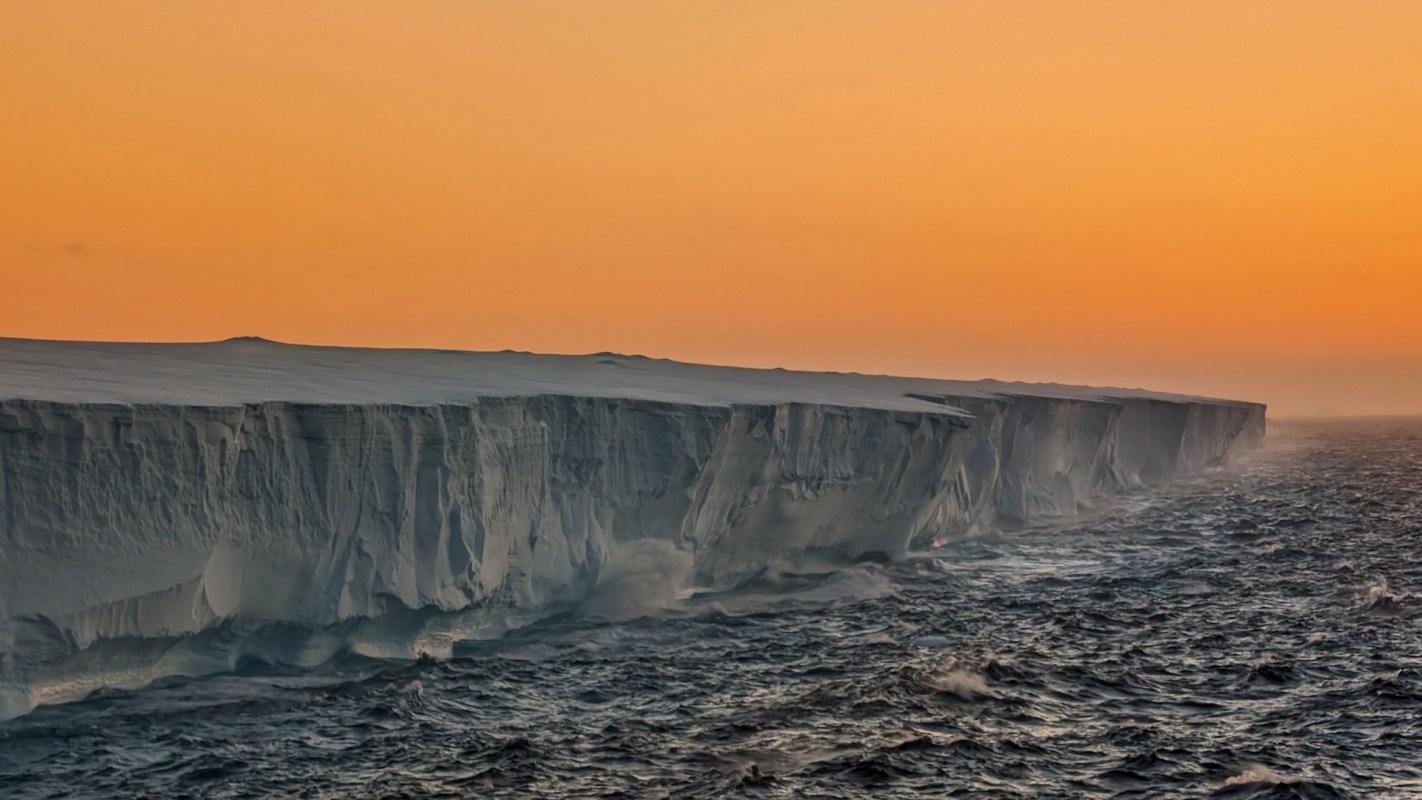
A vivid blue iceberg drifting from Antarctica is drawing scientific attention, as meltwater spreading across its surface shows the iceberg — once the world's largest — is beginning to break apart.
What's happening?
Iceberg A-23A broke off Antarctica's Filchner Ice Shelf in 1986, according to NASA. After spending decades largely stationary, it is now drifting through the South Atlantic between South America's eastern tip and South Georgia Island.
At the time of its calving, the iceberg spanned about 4,000 square kilometers, nearly twice the size of Rhode Island. However, satellite data from the U.S. National Ice Center has shown it has shrunk to roughly 1,182 square kilometers following a significant breakup in mid-2025.
What especially concerns scientists is the iceberg's striking blue color. NASA researchers said that hue comes from meltwater pooling on the surface.
Sunlight passing through the waterlogged ice absorbs red light and reflects blue light back, a clear sign that the iceberg is thinning and weakening.
These changes suggest this once-massive iceberg may not last much longer. As retired scientist Chris Shuman put it, "I certainly don't expect A-23A to last through the austral summer."
TCD Picks » Upway Spotlight
💡Upway makes it easy to find discounts of up to 60% on premium e-bike brands





Why is this iceberg important?
The breakup of massive icebergs like A-23A doesn't stay confined to Antarctica. While the melting of a floating iceberg doesn't directly raise sea levels, scientists view breakups like A-23A's as warning signs of growing instability in Antarctica's ice system — particularly ice shelves that help hold back land-based glaciers that contribute to rising sea levels.
Melting ice also disrupts ocean systems that marine life relies on. Shifts in temperature and salinity can push fish into new regions or reduce populations, threatening seafood supplies and the livelihoods of fishermen. In some areas, warmer waters may also allow harmful bacteria and diseases to spread more easily.
Scientists have already documented Antarctic ice shelves becoming slushy and unstable. Likewise, Antarctica's plant life is expanding due to rising temperatures.
Together, these changes contribute to more extreme weather, putting pressure on public health, community safety, and local economies.
TCD Picks » Quince Spotlight
💡These best-sellers from Quince deliver affordable, sustainable luxury for all




What's being done about it?
Scientists are keeping a close eye on icebergs like A-23A with satellite imagery, which helps them see how quickly ice loss can reshape oceans and coastlines.
|
Would you feel safe living close to a nuclear power plant? Click your choice to see results and speak your mind. |
 Absolutely ✅
 Those insights inform planning efforts for coastal communities already dealing with higher seas and more destructive storms.
What happens at the poles isn't as far removed from daily life as it seems. Decisions about energy systems and long-term infrastructure influence how quickly warming trends continue — and how prepared communities are for the changes already underway.

Get TCD's free newsletters for easy tips to save more, waste less, and make smarter choices — and earn up to $5,000 toward clean upgrades in TCD's exclusive Rewards Club.
Cool Picks