


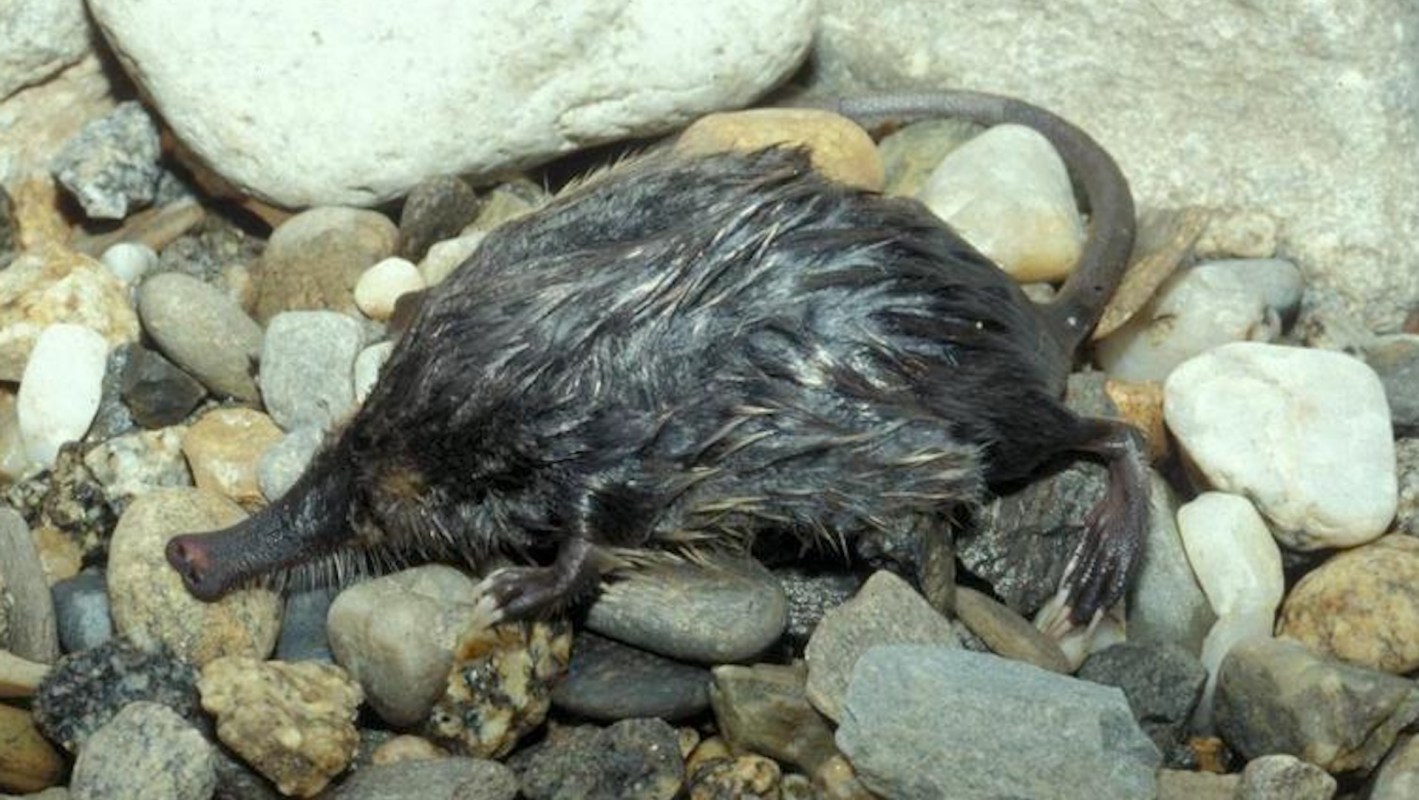
The endangered Iberian trumpet rat, with its long snout and unusual appearance, may seem like one of Spain's strangest mammals.
But new research suggests this aquatic animal could be offering scientists a clearer picture of hidden water pollution in places many people assume are still untouched, the Wildlife Society reported.
The study on the Iberian trumpet rat, or Galemys pyrenaicus, found that the species is ingesting synthetic fibers while feeding in upland streams in northern Spain.
That's both worrying for the animals and an early warning for conservationists working to keep freshwater ecosystems healthy.
The trumpet rat uses its long snout like a snorkel while moving underwater in search of aquatic insects and other invertebrates.
When researchers analyzed its fecal samples, they found that synthetic fibers appeared in roughly one-third of them. Most of them likely came from clothing. In other words, even streams that appear clean and remote may still carry signs of modern plastic pollution.
TCD Picks » Quince Spotlight
💡These best-sellers from Quince deliver affordable, sustainable luxury for all




Detecting that contamination early could help scientists, policymakers, and nearby communities respond before pollution becomes even more widespread.
For people, cleaner streams can mean healthier ecosystems, safer water sources, and stronger biodiversity in places many communities rely on for recreation, tourism, and environmental stability.
Findings like these can also improve wastewater treatment, encourage smarter textile design, and inspire practical household changes that reduce microfiber shedding from laundry, such as washing clothes in cold water.
If an endangered species living in mountain waterways is ingesting synthetic material through its prey, there is a strong chance other animals are as well. That means this research could help strengthen protections for the trumpet rat and its fellow freshwater wildlife.
Any new information about Iberian trumpet rats at all can help the species recover before it becomes more endangered.
As researchers wrote in the study, "Further research should assess the ecological and physiological impacts of exposure in this and similar species and monitor plastic loads and similar debris in upstream habitats."

Get TCD's free newsletters for easy tips, smart advice, and a chance to earn $5,000 toward home upgrades. To see more stories like this one, change your Google preferences here.







