


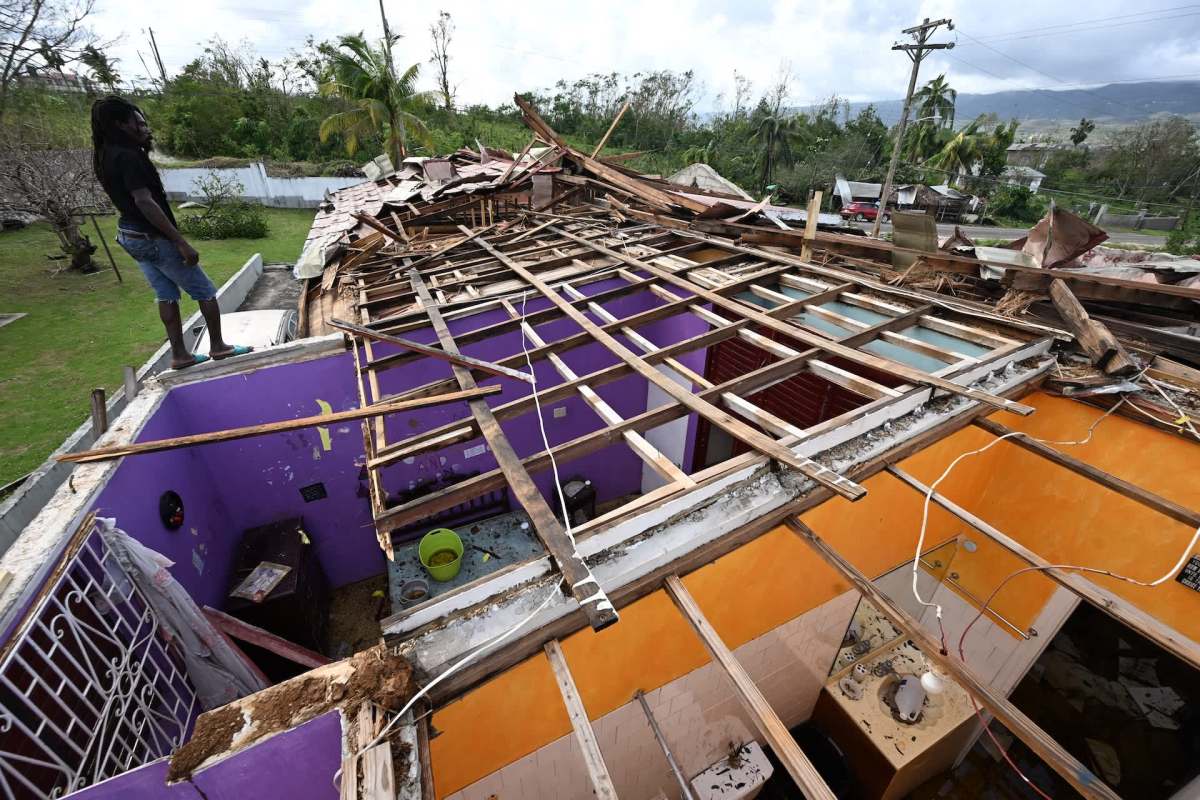
Although the extent of Hurricane Melissa's impact on Jamaica and neighboring island nations such as Cuba, Haiti, and the Dominican Republic is still being assessed, early reports are bleak.
According to the Associated Press, "organizations are already mobilizing to help across the northern Caribbean," and there are several ways to help those affected.
What's happening?
Hurricane Melissa hit Jamaica on Oct. 28, after days of alarming projections about the storm's trajectory and strength.
Unfortunately, Melissa strengthened over the course of three days, becoming an intense storm with wind speeds up to 185 miles per hour.
As of Oct. 29, an official said nearly 80% of Jamaicans lacked power.
Dozens of people in Petit-Goâve, Haiti, were killed when a river rose and caused flooding, and Jamaican officials worryingly stated they were not "in a position to make an official statement on deaths" caused by Hurricane Melissa.
TCD Picks » Quince Spotlight
💡These best-sellers from Quince deliver affordable, sustainable luxury for all




Why is this important?
As meteorologists, scientists, and climate experts made clear, Hurricane Melissa was an extreme weather event, one of several that occurred worldwide in 2025.
Hurricanes, floods, and wildfires have always been part of Earth's weather patterns, and while all three have devastated communities and settlements since antiquity, extreme weather is a relatively new phenomenon.
As temperatures rise and oceans warm, weather already prone to intensification necessarily becomes far stronger than it would under standard conditions.
Scientists have called the ensuing cycle of intensification a "feedback loop," and an overheating planet affects the weather in a way not unlike how gasoline affects a fire.
|
Should taxpayers help pay to clean up the Great Pacific Garbage Patch?
Click your choice to see results and speak your mind. |
 We should pay for all of it 👍
 Consequently, hurricanes, floods, and other weather systems still happen, but when they strike, they're more destructive, costlier, and deadlier.
Extreme weather can make people feel powerless — and while the storm cannot be stopped, efforts are underway to deliver aid to Jamaica, Haiti, the Dominican Republic, and Cuba.
What can I do to help?
The Associated Press documented several active aid efforts, many of which can be expanded or assisted by individual donations.
Localized aid efforts are a great place to start, as, unlike external initiatives, organizations like United Way of Jamaica are already on the ground and rendering assistance.
American Friends of Jamaica is based in New York, and the group is "currently matching donations" to a relief fund.
While much of Jamaica lacks power, the Footprint Project is scrambling to deploy solar equipment to the island. The organization is currently accepting donations to support efforts.
Finally, chef José Andrés' World Central Kitchen supplies meals in areas hit by crises like Hurricane Melissa, and you can donate on WKC's website.

Join our free newsletter for good news and useful tips, and don't miss this cool list of easy ways to help yourself while helping the planet.







