


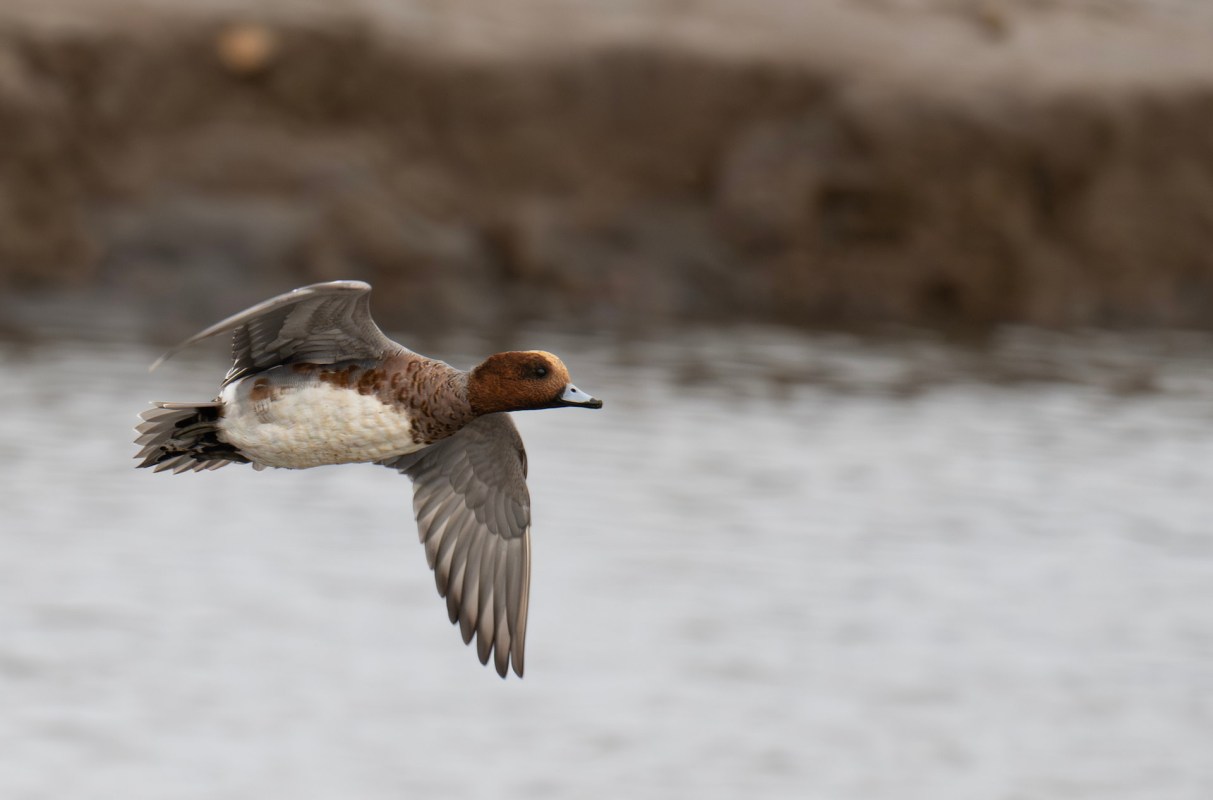
Local authorities in a remote Central Asian region have imposed a temporary ban on hunting waterfowl from specific locations.
Dunya News reported that the Khyber Pakhtunkhwa Wildlife Department in Pakistan has introduced new hunting restrictions that will remain in effect for the remainder of the year. All hunting is prohibited in 57 dams, lakes, and rivers across the province.
Hunting will still be permitted in designated sites for approved breeds, with a daily limit of up to five birds per person. Hunters are also prohibited from hunting at first and last light and cannot use electric devices to call birds.
Hunting is a key aspect of life for locals and a vital part of the local economy; permits for hunters and tourists generate much-needed revenue. Much of the $1.9 million raised from fees in 2025 will be reinvested in the communities, according to Arab News.
The measure stems from the concerning decline in waterfowl in the region, which is a key stopover for several migratory birds. One of the most significant seasonal visitors is the Siberian crane, which stops in Pakistan during its annual 5,000-mile migration.
The region's location adds another dimension to the problem: the conflict between the state and the militant group Tehreek-e-Taliban Pakistan, which has been going on since 2007. Understandably, the worsening security situation makes it challenging to enforce conservation laws properly.
An official, speaking on the condition of anonymity, discussed the issue with Dialogue Earth.
"A hostile environment and apathy on the part of the government have resulted in the desertion of wetlands," they said.
When adequately enforced, fishing and hunting restrictions can have a positive impact on helping wildlife populations recover. Indeed, responsible and sustainable hunting can be beneficial to hunters, the local economy, and the ecosystem.
The main challenge is getting everyone on board; involving all stakeholders in the process is the optimal approach to crafting effective local conservation measures.
TCD Picks » Quince Spotlight
💡These best-sellers from Quince deliver affordable, sustainable luxury for all




|
Do you think America does a good job of protecting its natural beauty? Click your choice to see results and speak your mind. |
 Definitely 👍
Join our free newsletter for good news and useful tips, and don't miss this cool list of easy ways to help yourself while helping the planet.
Cool Picks






