


Efforts to conserve some of the world's most cherished wildlife species have increasingly been threatened by a growing number of human-wildlife conflicts.
These conflicts can be harmful to both people and wildlife, and they often result in reduced support for conservation efforts.
What's happening?
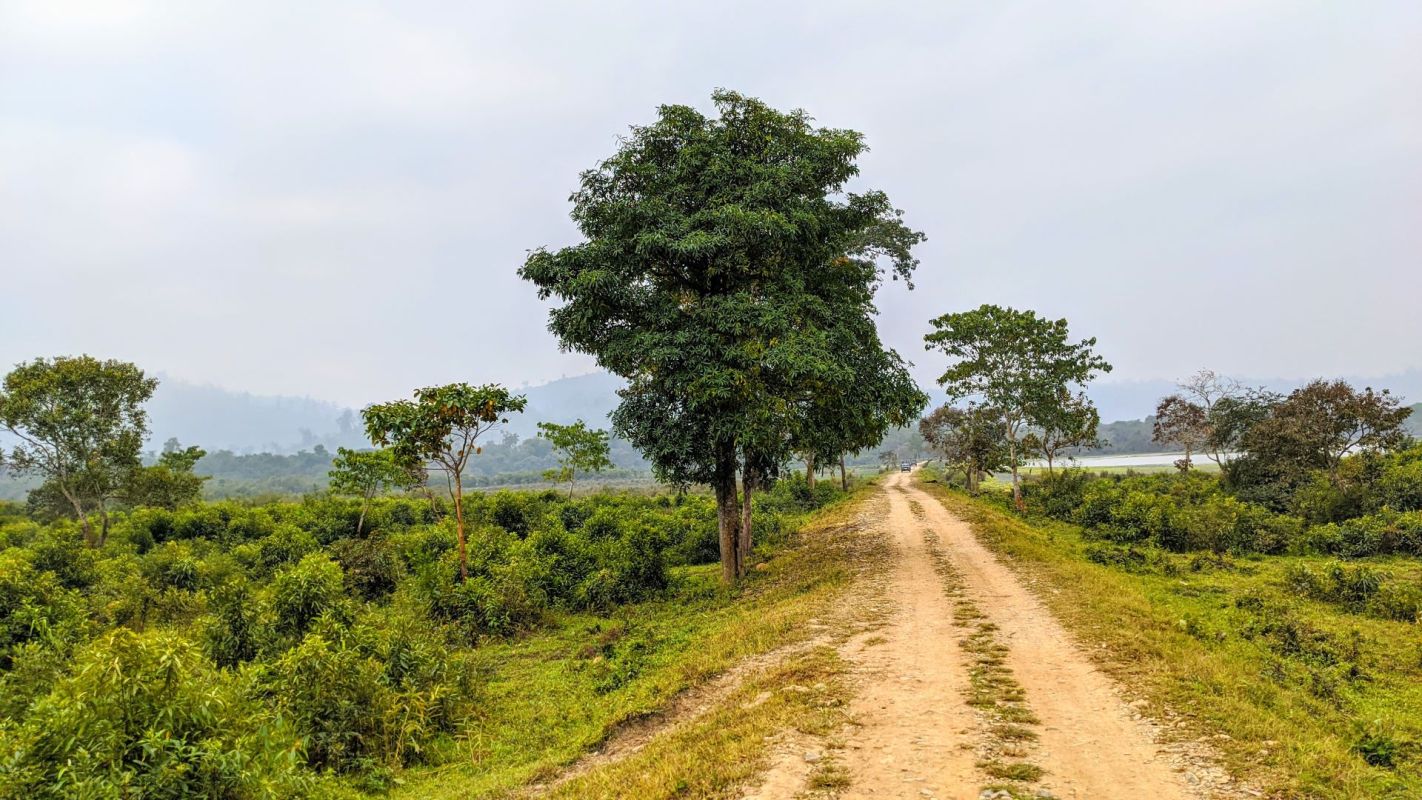
In India, as human infrastructure has continued to encroach further onto formerly wild lands, the number of conflicts between people and wild animals has increased.
For example, in some regions, farmers have sounded the alarm as herds of elephants have trampled crops and destroyed fences, according to The Hindu.
Additionally, train collisions have killed large numbers of cherished species, such as elephants and tigers.
"Within a human lifetime, we have witnessed extraordinary and unprecedented changes to our planet," said Margaret Kinnaird, Global Wildlife Practice Leader at WWF Global, per The Hindu.
"Human-wildlife conflict, in tandem with other threats, has decimated species that were once common — and pushed rarer ones to the brink."
Why are human-wildlife conflicts important?
The challenges posed by human-wildlife conflicts exemplify the delicate balance that must be struck between human activity and environmental conservation. While humans rely on natural ecosystems to survive, elements of those ecosystems can interfere with economic activity.
This interference has led some people to declare wildlife to be a nuisance and has spurred calls to reduce animal populations. However, humans rely heavily on the ecosystem services provided by some of these species.
For example, as vulture populations have dwindled, largely because of human activity, parts of India have experienced public-health threats due to the large number of animal carcasses, according to The Hindu. These are the same carcasses that vultures would feed on and thereby eliminate.
TCD Picks » Quince Spotlight
💡These best-sellers from Quince deliver affordable, sustainable luxury for all




|
Should the federal government ban Styrofoam packaging material? Click your choice to see results and speak your mind. |
 Absolutely ✅
 Human-wildlife conflict can hamper conservation efforts to restore populations of key species such as vultures.
According to the World Bank, "Human-wildlife conflict is one of the most pressing issues facing biodiversity conservation and sustainable development."
What's being done about it?
Striking the appropriate balance between human activity and wildlife conservation requires large-scale planning and collaborations among various stakeholders.
In India, affected parties have worked to develop a national-level plan that would reduce human-wildlife conflict by installing elephant-friendly fences and restoring traditional animal migration corridors, per The Hindu.

Get TCD's free newsletters for easy tips to save more, waste less, and make smarter choices — and earn up to $5,000 toward clean upgrades in TCD's exclusive Rewards Club.
Cool Picks






