


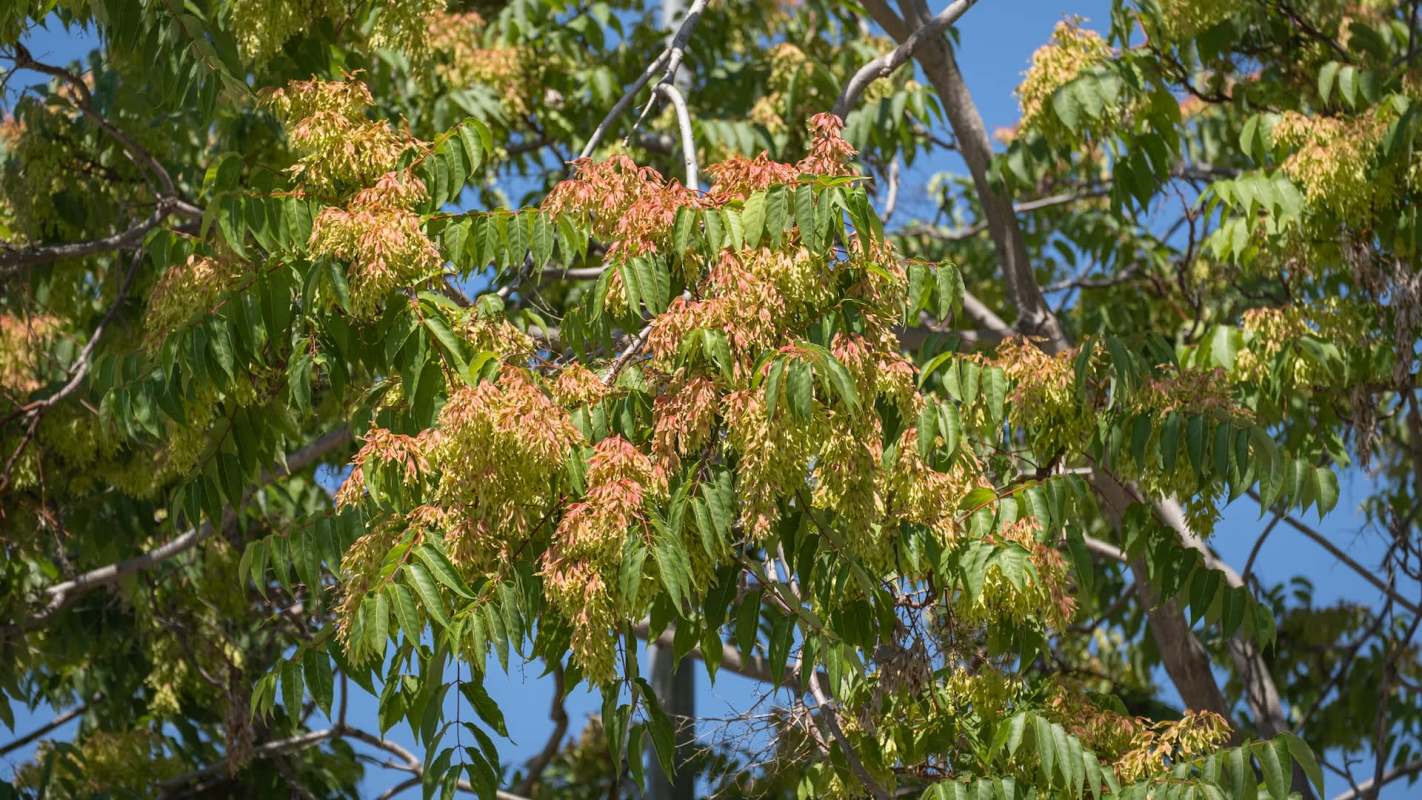
According to a report from the Denverite, a small but determined group of Denver residents is showing how much neighborhood action can matter when it comes to protecting local ecosystems.
Armed with plant knowledge, persistence, and a growing Discord community, the volunteers are taking on tree of heaven, a fast-spreading invasive species that has quietly established itself across the city. Their goal is practical and hyperlocal: Help neighbors identify the tree, treat affected properties, and prevent Denver's urban canopy from being overtaken by a single destructive species.
That's good news for residents and the environment alike.
Tree of heaven, or Ailanthus altissima, was first introduced to the United States in the 18th century and is now classified as a noxious weed in Colorado. The species can tolerate heat, drought, and poor soil, which helps explain why it has spread so aggressively in the Denver metro area.
But that resilience comes at a cost. Experts say the tree can crowd out other plants, dominate shared green space, and damage infrastructure with its aggressive root system. It's also attractive to the infamously invasive spotted lanternfly species, making it represent a double dose of headaches.
Rather than waiting for a top-down solution, Denver residents including Mike Miller, Briana Lane, Jeremy Davis-Turak, and Suzanne Smith have launched a citizen-led effort centered on education and treatment strategies. According to Denverite, the group has built a Discord community of around 30 members and is continuing to draw in more residents through neighborhood presentations.
TCD Picks » Quince Spotlight
💡These best-sellers from Quince deliver affordable, sustainable luxury for all




That kind of grassroots momentum could make a real difference.
When communities learn to spot and respond to invasive species early, they can help protect biodiversity, preserve healthier urban forests, and spare homeowners from costly repairs. In Denver, unchecked tree of heaven growth has been linked to cracked foundations, uneven sidewalks, damaged fences, and broken pipes. By helping people intervene sooner, the group is demonstrating how environmental stewardship can also support household budgets and neighborhood safety.
But as the volunteers have learned, this is not as simple as cutting down a tree.
Tree of heaven is notorious for sending up dense clusters of new shoots when it is damaged or removed incorrectly. In other words, a DIY fix can sometimes make the problem worse.
The Denverite reported that one property owner even excavated an entire yard to eliminate a single tree, only to see dozens of new sprouts return.
That's one reason education has become such a central part of the effort.
The group is teaching residents how to identify the species by its smooth bark and long leaves arranged in paired leaflets. Another telltale sign is the smell: Crushed leaves are often compared to rotten peanut butter. Residents can also record sightings in EDDMaps, a database used to track invasive species.
For treatment, Denverite said the Colorado Department of Agriculture points to options such as letting goats browse young growth. Experts say follow-up is essential, since surviving roots can trigger regrowth if the process is not handled carefully.
Denver volunteers say meaningful progress is still possible — and that real change can come through community action, even without strong support from city or state leaders.
As Lane told the Denverite, "We have a broader reach, can educate more people."
"I've been winning battles. We have not won the war yet," Smith added.

Get TCD's free newsletters for easy tips, smart advice, and a chance to earn $5,000 toward home upgrades. To see more stories like this one, change your Google preferences here.







