


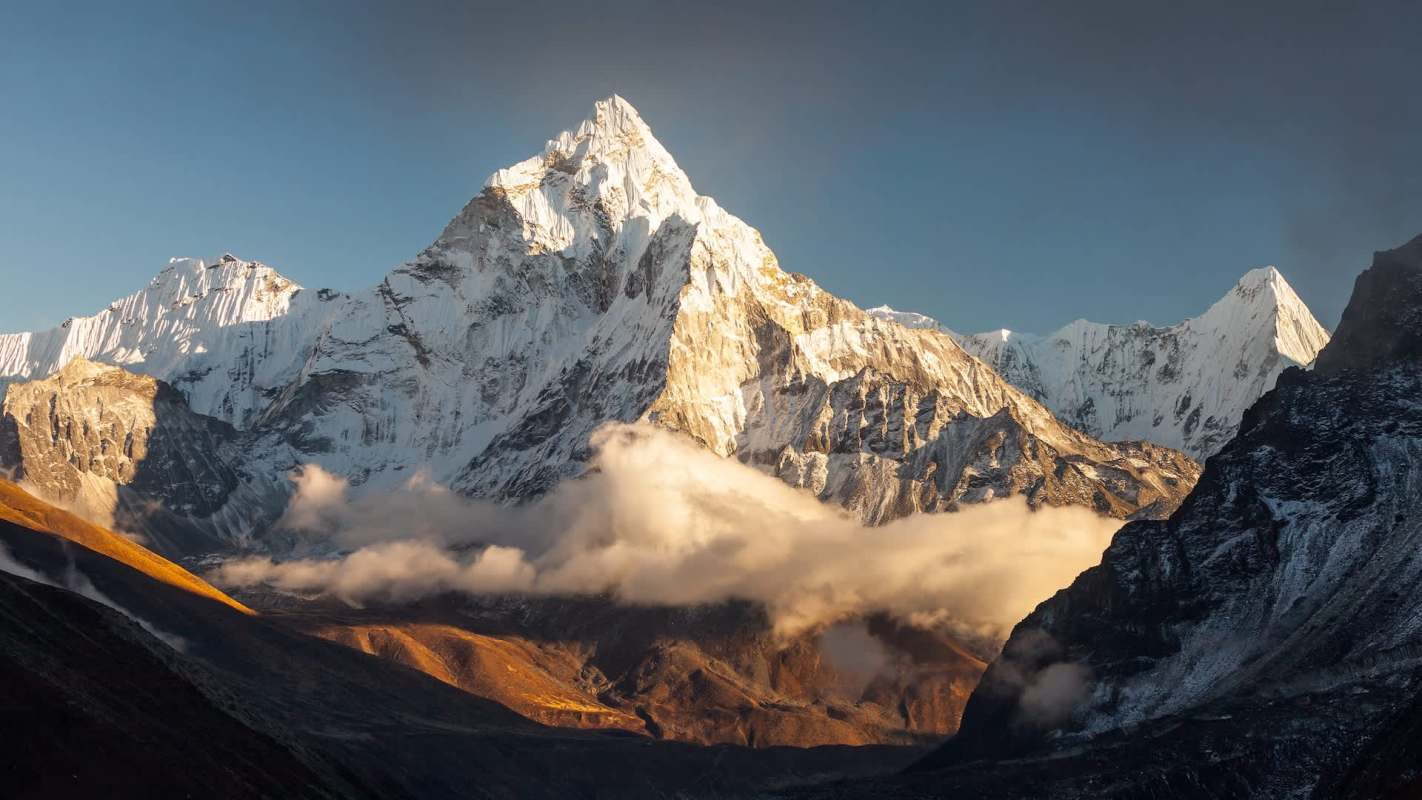
Ice melting and shifting snowfall patterns are reshaping communities, and now, these changes are repeatedly impacting the Himalayan mountains, according to Dialogue Earth. As global temperatures increase, weather systems have grown more erratic, which has disrupted snowfall and, consequently, water supplies that impact billions in the region.
What's happening?
Parts of the Himalayas went weeks with almost no winter snow in early 2026, while weather patterns have hit extremes in the Northern Hemisphere.
"Variability is often more damaging than a steady shift, and it is much harder to manage unpredictable snow," said Sher Muhammad, the cryosphere monitoring lead at the International Centre for Integrated Mountain Development.
Shifting wind and precipitation patterns make winter storms more erratic, which delays snowfall, pushes it to higher elevations, and reduces overall snow levels across the region, according to Muhammad.
In Asia, some areas such as Japan and Russia's Kamchatka Peninsula saw heavy snow, but the Tibetan Plateau received far less than normal.
In the western Himalayas, winter precipitation in December 2025 was nearly absent in some states, which left river headwaters short on seasonal snow that normally acts as a natural reservoir.
From 2003 to 2025, the region saw below-average snow levels across 13 different years.
Why are precipitation changes concerning?
Erratic precipitation may increase rain-on-snow flooding, speed up avalanches and landslides, and disrupt the timing and supply of meltwater. That can all threaten hydropower, farming, food security, and the livelihoods of billions who depend on Himalayan snow and glaciers.
According to AntarcticGlaciers.org, the aforementioned impacts "extend further downstream, exacerbating flood hazards, water insecurity, and economic instability."
These domino effects due to increasing temperatures can be unpredictable and pose a risk to human life in areas like the Himalayas.
|
What's the most you'd pay per month to put solar panels on your roof if there was no down payment?
Click your choice to see results and speak your mind. |
 $200 or more 💰
 What can be done about changing snowfall?
Scientists are still researching the exact cause behind the weather that "swings rapidly between snow drought conditions and episodic heavy snowfall," according to Muhammad in Dialogue Earth's coverage.
In a study on disturbances in the region, experts posed many future research avenues, including understanding how rising temperatures affect weather patterns, intensity, and seasonality. Exploring how altered moisture, aerosols, and warming will affect snowfall, hazards, and long-term water security could also improve scientific understanding of the climate.
"It is extremely important to strengthen monitoring, forecasting, science-based decisions, and preparedness," Muhammad stated.

Get TCD's free newsletters for easy tips to save more, waste less, and make smarter choices — and earn up to $5,000 toward clean upgrades in TCD's exclusive Rewards Club.
Cool Picks






