


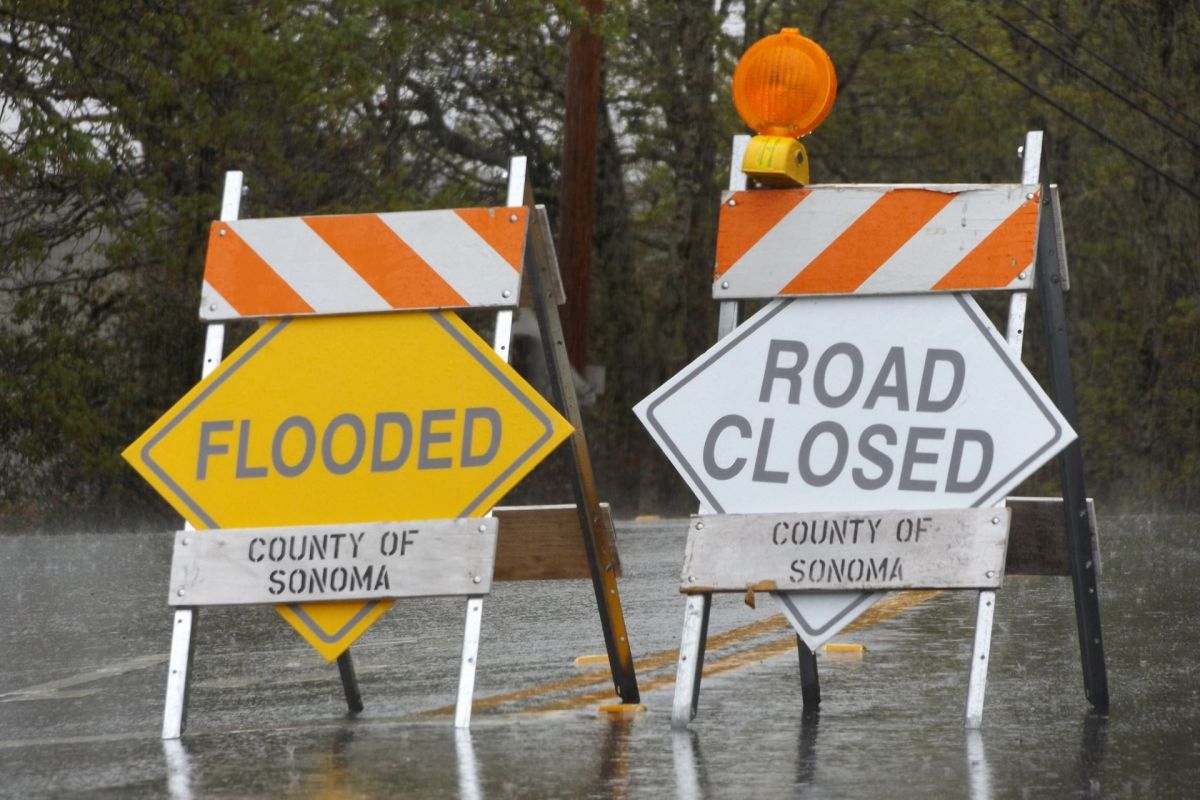
A fragile stretch of California's famous Highway 1 reached a breaking point. After years of costly stopgap fixes, officials finally took a radical step: moving the highway inland.
What happened?
According to a book excerpt published in the Los Angeles Times this month detailing rebuilding work in recent years, waves carved away at the Sonoma County coastline for decades, eroding fragile cliffs by roughly a foot per year. By 2019, the highway had been reduced to a single lane in places. From 2004 to 2018 alone, emergency repairs cost California taxpayers nearly $10 million.
"This is what unmanaged retreat looks like, and it is quite frankly a hot mess of septic systems, old house parts, and armoring that have fallen into the intertidal zone with no real mechanism for cleaning it up," Sonoma County supervisor Lynda Hopkins said in the book, "California Against the Sea: Visions for Our Vanishing Coastline," by Rosanna Xia.
In response, the state's transportation department approved a $73 million project to shift nearly a mile of Highway 1 more than 350 feet inland, Xia reported for the Times in 2020. It was anchored by a new bridge designed to give nearby wetlands and streams space to recover.
Why is this relocation important?
The overheating of the planet due to our use of dirty energy sources creates multiple threats to coastal communities such as this one. This human action supercharges extreme weather events, creating more powerful storms that pound vulnerable coastlines with increasing force.
Highway 1 serves as a lifeline for residents along the coast. Without action, communities would have been cut off when the road inevitably collapsed into the sea.
This scenario isn't unique to Gleason Beach. Coastal communities around the globe face similar threats as sea levels continue rising and storms grow stronger, putting infrastructure, homes, and lives at risk.
What was done about the highway?
Instead of continuing the costly cycle of repairs, officials decided on moving Highway 1 and building an 850-foot bridge over Scotty Creek. The solution could serve as a model for other threatened coastlines.
This managed retreat approach offers multiple benefits beyond just saving the highway. Officials also allocated $5 million to clean up the debris from collapsed homes and $6.5 million for wetland and creek restoration.
Across the country, communities are developing similar adaptation strategies. For instance, Louisiana has created a coastal restoration plan.
TCD Picks » Quince Spotlight
💡These best-sellers from Quince deliver affordable, sustainable luxury for all




On an individual level, people can help by supporting clean energy initiatives, reducing pollution from transportation through electric vehicles and public transit, and staying informed regarding the critical climate issues facing our planet.
|
Do you think your city has good air quality? Click your choice to see results and speak your mind. |
 Definitely 🥰
Join our free newsletter for good news and useful tips, and don't miss this cool list of easy ways to help yourself while helping the planet.
Cool Picks




