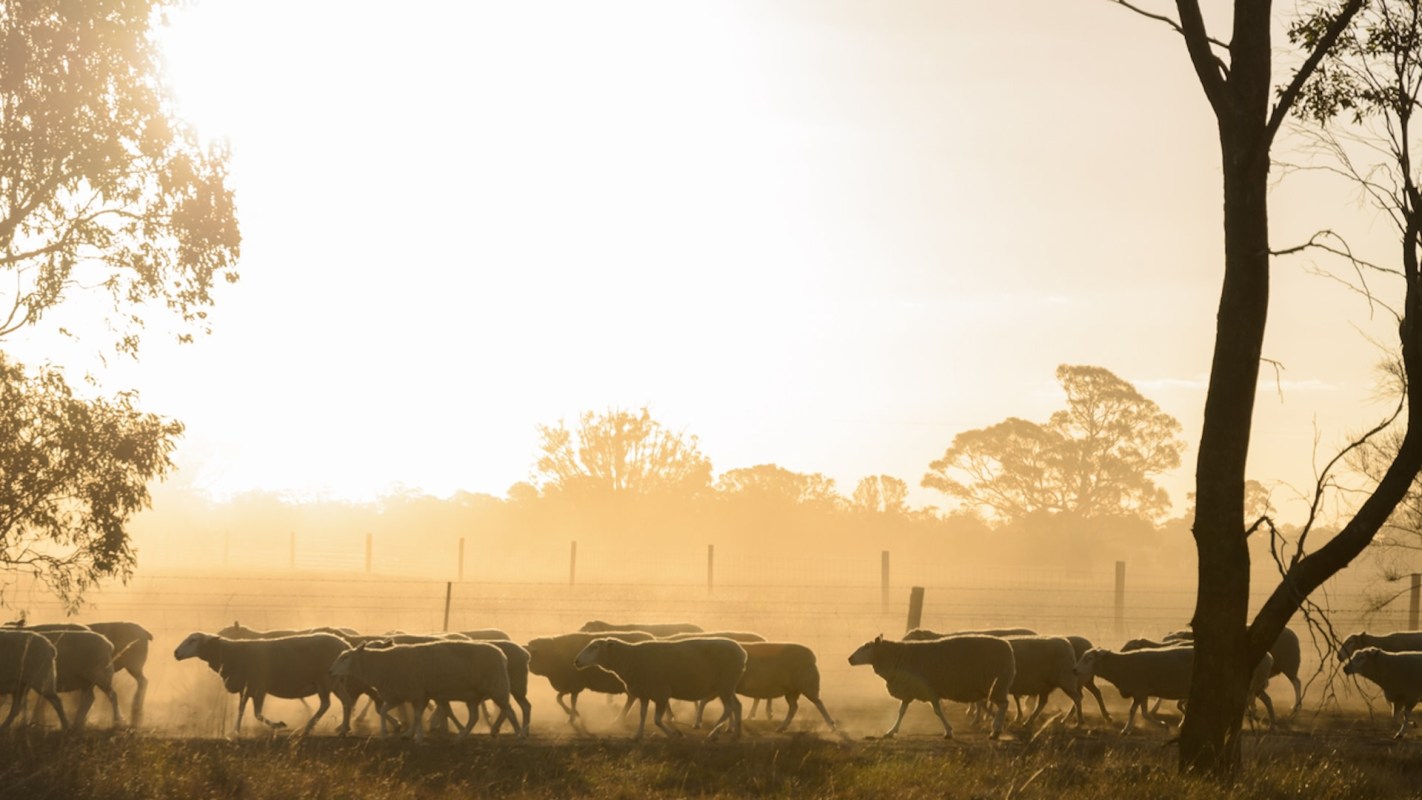
A grim new study is sounding the alarm about the future of lamb chops in Australia, according to the Guardian.
Researchers at the University of Adelaide forecast that spiking temperatures could cause millions of additional lamb deaths each year, threatening the survival of the nation's $4.3 billion sheep industry.
What's happening?
The study, published in the journal Nature Food, modeled what would happen under one degree and three degrees Celsius (1.8 and 5.4 degrees Fahrenheit) of global temperature rise.
The findings are shocking: If temperatures increase by three degrees Celsius, lamb deaths could skyrocket from the current 2.1 million to a staggering 3.3 million per year — an extra 1.2 million lives lost. This would result in industry-wide losses of up to $166 million annually.
Lead author associate professor Will van Wettere warned that heat stress in sheep is already a "huge problem" that's only going to intensify.
"The areas where sheep can be effectively raised in Australia are likely to reduce in the future," he said. "We're going to have a smaller footprint for agriculture production if things keep going as predicted. … It's a worry, a big worry."
This daily skin care line brings professional-grade products and in-office results into the comfort of your at-home routine PCA Skin's new daily care line extends the benefits of professional treatments to your at-home routine, with cleansers, serums, and moisturizers formulated to maintain skin health and address specific concerns. Skin is unique, which is why PCA Skin offers tailored solutions for every skin type, tone, and condition. Designed to target concerns like acne, hyperpigmentation, and aging, their industry-leading treatments have delivered transformative in-office results for 35 years — and the unique opportunity to get the same quality care in the comfort of your own home is one you won't want to miss. Learn more → |

Why are these results concerning?
While sheep in hot, arid regions like Queensland are most vulnerable, cooler areas will still likely see significant impacts.
When temperatures rise, fewer lambs are born. Extreme heat also impairs rams' fertility and fetal development, leading to smaller, less viable offspring.
Notably, the study didn't factor in the decreased availability of feed and water due to rising temperatures, which would compound these devastating effects on the sheep industry. It paints an alarming picture of the mounting threats that rising temperatures pose to our agricultural systems and food security.
What's being done about lamb birth rates?
While the outlook seems dire, there are steps farmers can take to help their flocks adapt.
Stay hydrated and refreshed this holiday season — without any sugar or harmful additives Nuun’s zero-sugar hydration tablets are a perfect, guilt-free way to enhance your water throughout the day. You’ll get five essential electrolytes for everyday hydration — with zero grams of sugar. Plus, Nuun tablets are certified vegan and gluten-free, and they’re the perfect size to keep in your car, purse, or anywhere you'll want a healthy, restorative drink. Learn more → |

Providing extra shade, selectively breeding for heat tolerance, and using feed supplements can boost lamb survival and fertility rates in the face of rising temperatures.
South Australian sheep producer Jane Kellock has already seen a 30% increase in lambing rates after feeding her ewes a melatonin supplement in a trial with the South Australian Drought Hub.
"Research means producers can make an informed decision about how to best adapt to changing conditions," she said.
However, study after study shows that adapting to impacts is not enough — we must tackle the root of the problem.
Supporting policies to rapidly cut dirty pollution and limit rising global temperatures is critical to reduce the severity of impacts on our agricultural systems.
We all have a role to play, from lowering our own carbon pollution to advocating for bold action. The future of our farms, our food, and the livelihoods of farming communities depends on the steps we take today.

Join our free newsletter for cool news and cool tips that make it easy to help yourself while helping the planet.
Cool Picks