


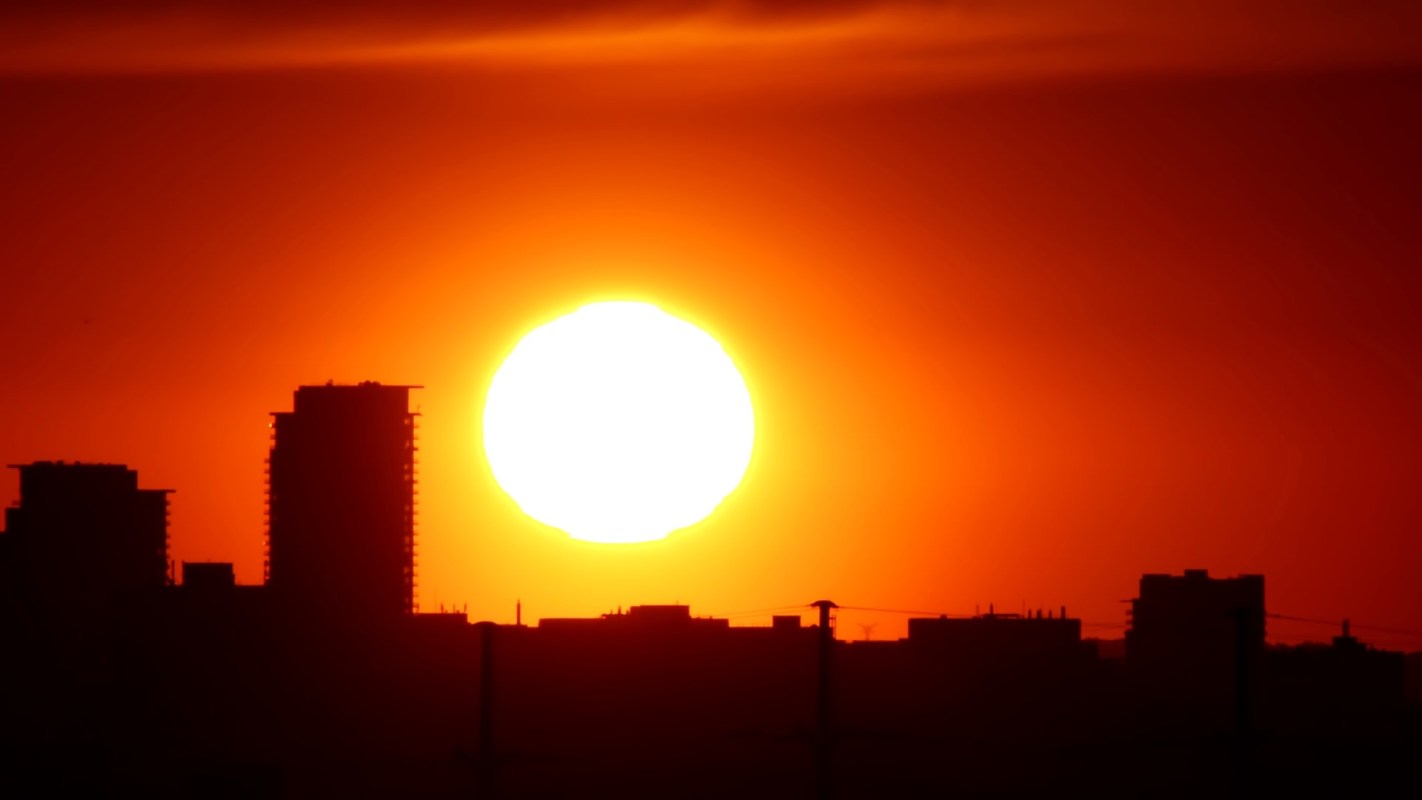
A new study led by researchers at Monash University found that heatwaves in Australia claimed over 1,000 deaths between 2016 and 2019, the Guardian reported in September.
What's happening?
Since 1850, global temperatures have risen by an average of 0.11 degrees Fahrenheit per decade, according to Climate.gov. The past decade (through 2024) has seen the warmest 10 years ever recorded, with data showing global temperatures climbing even more rapidly.
Global temperatures affect all aspects of life on Earth, making it particularly difficult for humans and wildlife to survive.
According to the news outlet, the nationwide analysis of heatwave mortality across Australia found that between 2016 and 2019, heatwaves in the area caused more than 1,009 deaths. That translates to more than 252 heat-related deaths nationwide each year.
Queensland and New South Wales had the highest mortality rates of all Australian states and territories, the study found. Remote and rural areas also experienced higher mortality rates, one of the researchers told the Guardian — likely due to the lack of access to health services.
"The trend for heatwaves is clear. There will be more and more, the intensity will be higher and higher," said Yuming Guo, global environmental health professor at Monash University, according to the Guardian.
Why is rising global temperatures important?
While global temperatures have been on the rise for decades, climate data from NASA shows a steep incline in global temperatures in recent years. The rapid acceleration in the warming of the planet, caused by human activities — including burning dirty energy sources — has fatal consequences for humans and wildlife.
Australian climate data documented at least 5,332 heat-related fatalities between 1844 and 2010, which is an average of over 32 deaths caused by extreme heat, per year. As data from the Monash University heatwave study showed, this number has risen to over 252 heat-related deaths annually, coinciding with some of the warmest years ever recorded.
Extreme heat is becoming a dangerous, silent killer, and humans aren't its only victims.
Heatwaves are impacting wildlife behavior, causing them increased stress as wildlife search for survival necessities, including food, water, and shelter. A wildlife protection group in Greece has seen more and more wildlife rescue cases suffering from heat-related conditions, including wildfire burns, saltwater-poisoned wildlife, and severe heat stress.
TCD Picks » Quince Spotlight
💡These best-sellers from Quince deliver affordable, sustainable luxury for all




|
Do you worry about the quality of the air inside your home?
Click your choice to see results and speak your mind. |
 Yes — often 😬
 What can I do to help?
Climate experts believe that many heat-related fatalities can be prevented.
Recognize when you or someone is experiencing symptoms of heat-related conditions, including dizziness, shortness of breath, headaches, and nausea. Keep cool by staying indoors and using air conditioning or fans to cool down during periods of extreme heat. If you must be outside, stick to shaded areas, take frequent breaks, and stay hydrated.
Rising global temperatures and extreme heat may seem unpreventable. However, every effort to reduce heat-trapping gases in the air, which contribute to rising global temperatures, makes a difference for communities most vulnerable to extreme heat.
Explore critical climate issues and how you can make a difference in your community to help limit rising global temperatures.

Join our free newsletter for good news and useful tips, and don't miss this cool list of easy ways to help yourself while helping the planet.
Cool Picks






