


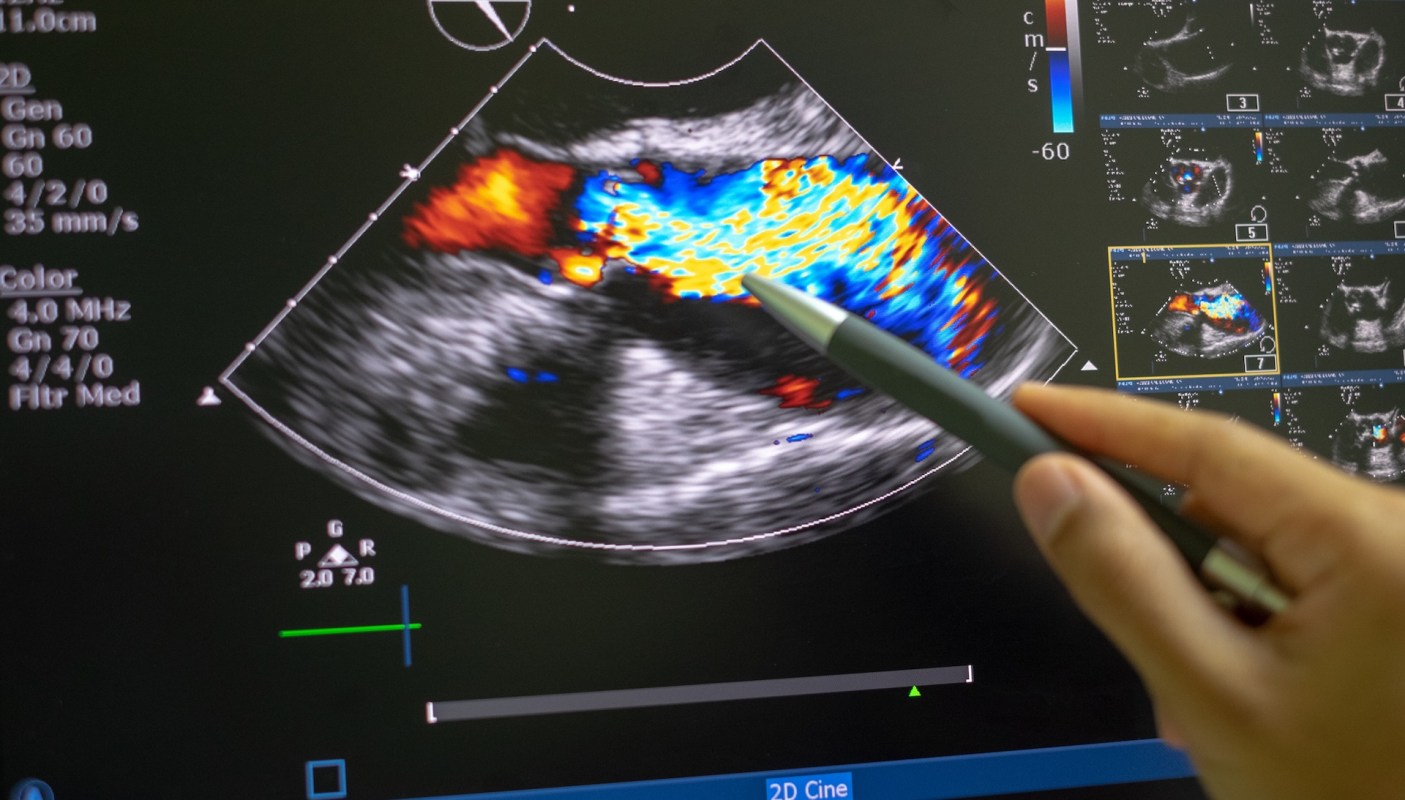
A new data assessment is helping to quantify the significant impacts of environmental factors on heart disease cases in Europe.
According to an early-November briefing from the European Environment Agency, factors such as air pollution, extreme temperatures, and exposure to harmful chemicals "cause around one in five cardiovascular deaths in the European Union."
What's happening?
The EEA's latest briefing, "Preventing cardiovascular disease through a healthy environment," highlights how our daily lives and spaces can silently shape heart health.
Cardiovascular disease claimed over 1.7 million lives across the EU in 2022, totaling about one-third of all deaths. At least 18% of those deaths could be linked to preventable environmental factors, according to the EEA.
The most dangerous contributors were identified as air pollution, transport noise, extreme weather, and exposure to toxic substances such as heavy metals and endocrine disruptors.
Together, the agency said, these stressors contribute to an estimated 282 billion Euros in lost productivity and economic output annually associated with cardiovascular diseases across Europe.
The association between adverse environmental conditions and poor heart health is not a brand-new finding — researchers have recognized these links globally for some time. But the EEA's new estimates help to demonstrate just how many lives could be improved by effectively addressing poor air quality, rising temperatures, and more.
Why is this important?
Genetics and aging play major roles in heart disease, and they're not easily mitigated. But if environmental factors are identified as notable contributors to this serious health concern, the good news is that they could be addressed and lives could be saved.
Beyond the data, the report paints a clear picture: Cleaner air, quieter cities, and safer chemicals could translate directly into healthier, longer lives for millions.
In that way, the EEA's message is also a wake-up call for governments, communities, and families. It connects the dots between the spaces we live in — our homes, workplaces, and neighborhoods — and the health of our hearts.
TCD Picks » Quince Spotlight
💡These best-sellers from Quince deliver affordable, sustainable luxury for all




|
Do you worry about having toxic forever chemicals in your home?
Click your choice to see results and speak your mind. |
 Majorly 😥
 In other words, improving the environment isn't just about protecting nature; it's about protecting people.
What's being done about it?
The EEA points to policies already making a difference, such as the EU's zero pollution action plan, which aims to cut premature deaths linked to air pollution by more than 55% compared to 2005 levels.
Globally, the World Heart Federation recently called on governments and world leaders to "place cardiovascular health at the centre of climate commitments" in the lead up to the 30th United Nations Climate Change Conference, commonly known as COP30. The group underscored that air pollution and extreme heat are particularly urgent risks disproportionately impacting heart health in low- and middle-income countries.
At the local level, urban greening, accessible parks, and blue spaces are natural solutions that can improve air quality, reduce noise, and encourage heart-healthy physical activity. More broadly, working to transition from dirty fossil fuels to clean, renewable energy at every level could yield global benefits.

💰Get TCD's free newsletters for easy tips to save more, waste less, and make smarter choices — and earn up to $5,000 toward clean upgrades in TCD's exclusive Rewards Club.
Cool Picks






